
Zone · Guides · Jelly jar lights
What is a jelly jar light?
A jelly jar light is named for its jar-shaped glass or lens. The shape doesn’t tell you how bright it is, whether it has a photocell or where it can be mounted. Zone’s two jelly jars switch on at dusk and off at dawn.
Before wiring, turn off power at the breaker; follow local code; use a licensed electrician if unsure. Follow the instructions for the exact light or connector.
Why choose a jelly-jar style?
It’s a compact, familiar look that sits well beside a back door, garage side door or shed. Pick it for where it goes and how it looks, then check brightness and control. If you want it to come on when you walk past, you need a motion sensor. If you want it to come on when it gets dark, you need a photocell. They are different features, and a light can have one, both or neither.
Zone black and white models
| Zone light | Output | Switching | Location | Supply | Dimming |
|---|---|---|---|---|---|
| Dusk-to-dawn jelly jar security light, blackZ-JW1000-B-DC | 1,000 lm | Dusk-to-dawn photocell | IP54: dry, damp and wet locations | 120 V AC, 60 Hz | No, not for use with dimmers |
| Dusk-to-dawn jelly jar security light, whiteZ-JW1000-W-DC | 1,000 lm | Dusk-to-dawn photocell | IP54: dry, damp and wet locations | 120 V AC, 60 Hz | No, not for use with dimmers |
These are the specifications and features published for each exact model on its linked product page. “Not published” is an information gap, not a rating or a “no”.
Both have a dusk-to-dawn photocell. Neither has a motion sensor. The only difference between them is the housing colour, black or white; the specs in the table are the same for both.
What does the location rating tell you?
Both models are rated IP54 for dry, damp and wet locations, so they can go on an exposed outside wall that gets rain. That doesn’t mean they can sit in standing water or be mounted any which way. Follow the instructions for which way up the fixture goes and how it mounts. And the rating belongs to these models only; another jelly jar that looks the same may be rated differently.
Questions to answer before buying
- Do you want the light on automatically from dusk to dawn?
- Does the supply match your wiring? (The table lists it.)
- Can the fixture mount where you want it, the way its instructions show?
- Is the output enough for the spot? Lumens won’t tell you a coverage radius, so think about what needs lighting.
A jelly jar and a wall pack can both have photocells. Compare their actual brightness and mounting needs instead of choosing by style name.
What the jar does
The jar is the glass or plastic cover over the light source. It protects the source and shapes how the light looks and spreads: a clear jar shows a bright point, a frosted one glows more evenly. Whether there’s a replaceable bulb or a built-in LED behind it depends on the product, not the shape, so check the listing before you count on reusing an old bulb.
Think about the fixture as something you see on the wall and as a light that has to reach something. A small jar can look right beside a door and still needs to put enough light on the lock, the step and the path. Size and proportion are good reasons to choose a fixture, but they don’t measure how much area it lights.
Choosing the control for an entrance
At a door you use every night, light whenever it’s dark is handy, and a photocell does that with no switch to remember. At a spot you rarely use, a motion light that comes on as you arrive may suit you better. The jar shape doesn’t decide which you get. A photocell reads the light level around it; a motion sensor watches for movement.
Where the sensor sits matters as much as where the lamp sits. A porch roof can shade a photocell so it switches on early, and a nearby streetlight or another fixture shining on it can keep it from switching on. The instructions tell you how the fixture should be placed. Two jelly jars that look alike can have different controls, timing and sensitivity.
Common questions
Is a jelly jar a bulb or a complete light fixture?
It’s a fixture. “Jelly jar” describes the jar-shaped housing, not a bulb type. Some jelly jars take a replaceable bulb and some have the LED built in, so check the product description before assuming your old bulb will fit.
Do black and white jelly jars give different colours of light?
No. On these Zone models, black and white is the housing finish. Pick the one that suits your siding or trim. The colour of the light itself is a separate spec.
Does a dusk-to-dawn jelly jar detect people?
No. A photocell only senses whether it’s dark. It comes on at dusk whether anyone is there or not. If you want the light to come on as someone approaches, you need a model with a motion sensor, and neither of these two has one.
Can I replace an old porch light with a jelly jar?
Often, yes, if the new fixture fits the existing box and supply. Check the supply voltage, the mounting, the size of the base and the location rating for the spot. Having a light there now doesn’t guarantee every new fixture will fit it.
Can a jelly jar go in any wet location?
Only if that model is rated for it. Zone’s two jelly jars are rated IP54 for dry, damp and wet locations, which covers an exposed wall in the rain. It doesn’t cover being submerged or mounted in a way the instructions don’t show.
Jelly jar or wall pack by the door?
For a house door, a jelly jar is usually the neater, smaller choice. A wall pack is a bigger, brighter box better suited to lighting a wide stretch of wall, a garage apron or a parking area. Compare the brightness and controls of the exact models; the style name isn’t a brightness ranking.
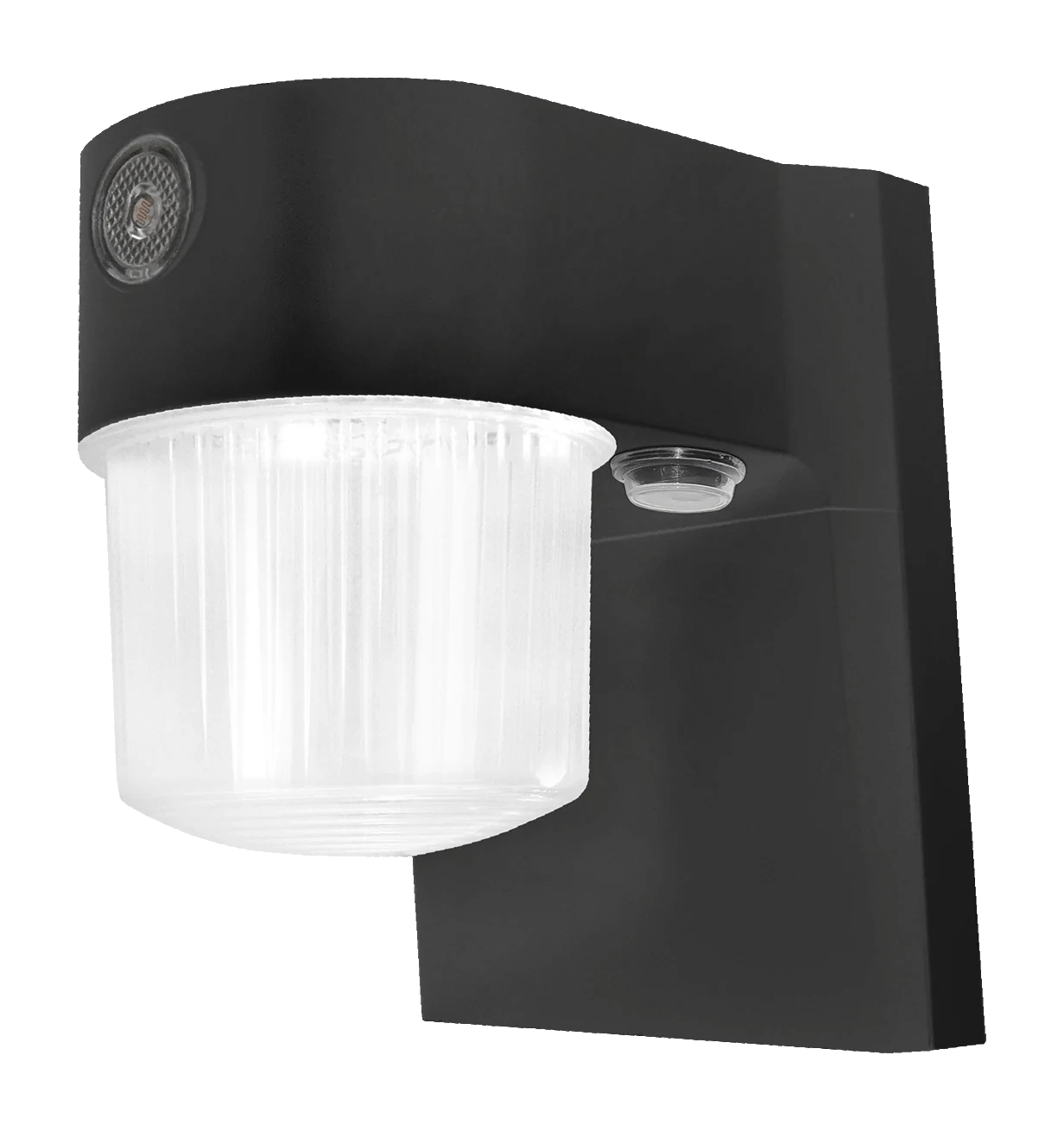
Dusk-to-dawn jelly jar security light, black
Dusk to dawn
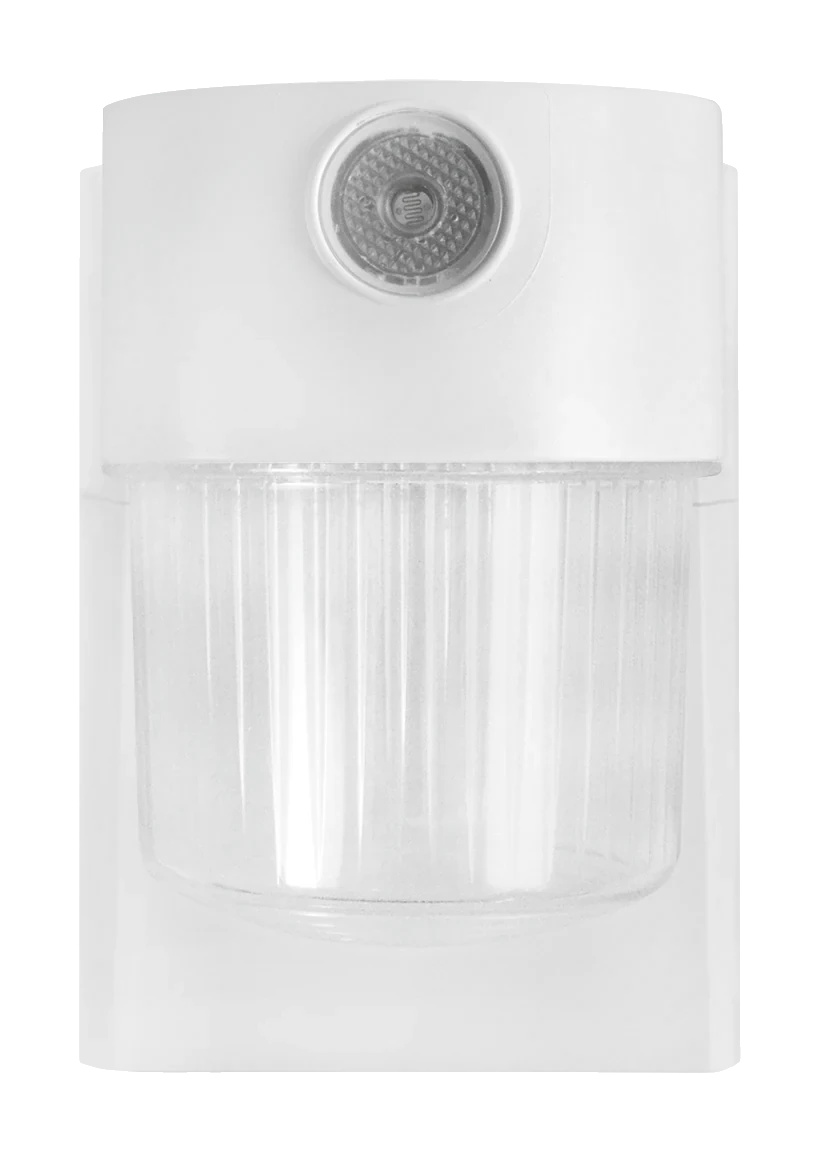
Dusk-to-dawn jelly jar security light, white
Dusk to dawn