
Zone · Questions and answers
Questions and answers.
Updated
Check fit, brightness and the right product for your job before buying. Follow the links for the full product details and guides.
Buying and support
Where can I buy Zone products?
Use the retailer link on the product page if it has one. The retailer page also links to Zone’s lighting and wire-connector stores on Amazon. A listing does not guarantee that the product is in stock at every location. Where to buy.
Can I order and pay on this website?
No. You can browse products, follow retailer links or ask where to buy, but this site has no cart or checkout. Open the product page to see your next step. Browse products.
Why does a product show an availability inquiry instead of a store button?
We show a store button only after checking a listing for that exact product. If there is no button, use the inquiry link. Include the model and your ZIP code so Zone can help you find it. Retailer information.
Are all products available at Amazon, Menards, Lowe’s and Walmart?
Not necessarily. These retailers are listed on the site, but each one may carry different models. Follow the button on your product’s page or ask where that model is available near you. Retailers.
Which Zone light do I need?
Start with the light finder. Choose your room or job, then the type of light. For garage ceiling lights, it also uses the stated room-size and task assumptions. Open a result and check its size, power connection and location requirements before buying. Find a light.
How do I contact Zone?
Email service@zoneledlighting.com with the model or connector SKU and your question. If you need help with fit, include your measurements. For help finding a retailer, include your ZIP code. Email Zone.
Does every Zone product have the same warranty?
There is no single published warranty term for all Zone products. Some product pages list a limited-warranty term. Read the details and instructions for your exact model. Another product’s warranty does not tell you what yours covers. Check your product.
- ZF2208-SP: 1-year limited, as published for this model.
- Z-GR-CB40: 2-year limited, as published for this model.
- Z-VG-MB: 2-year limited, as published for this model.
Why are there no customer star ratings on this site?
We do not copy customer ratings or reviews onto this site. If we have checked a retailer listing for the exact product, you can follow the link on its product page. Product pages.
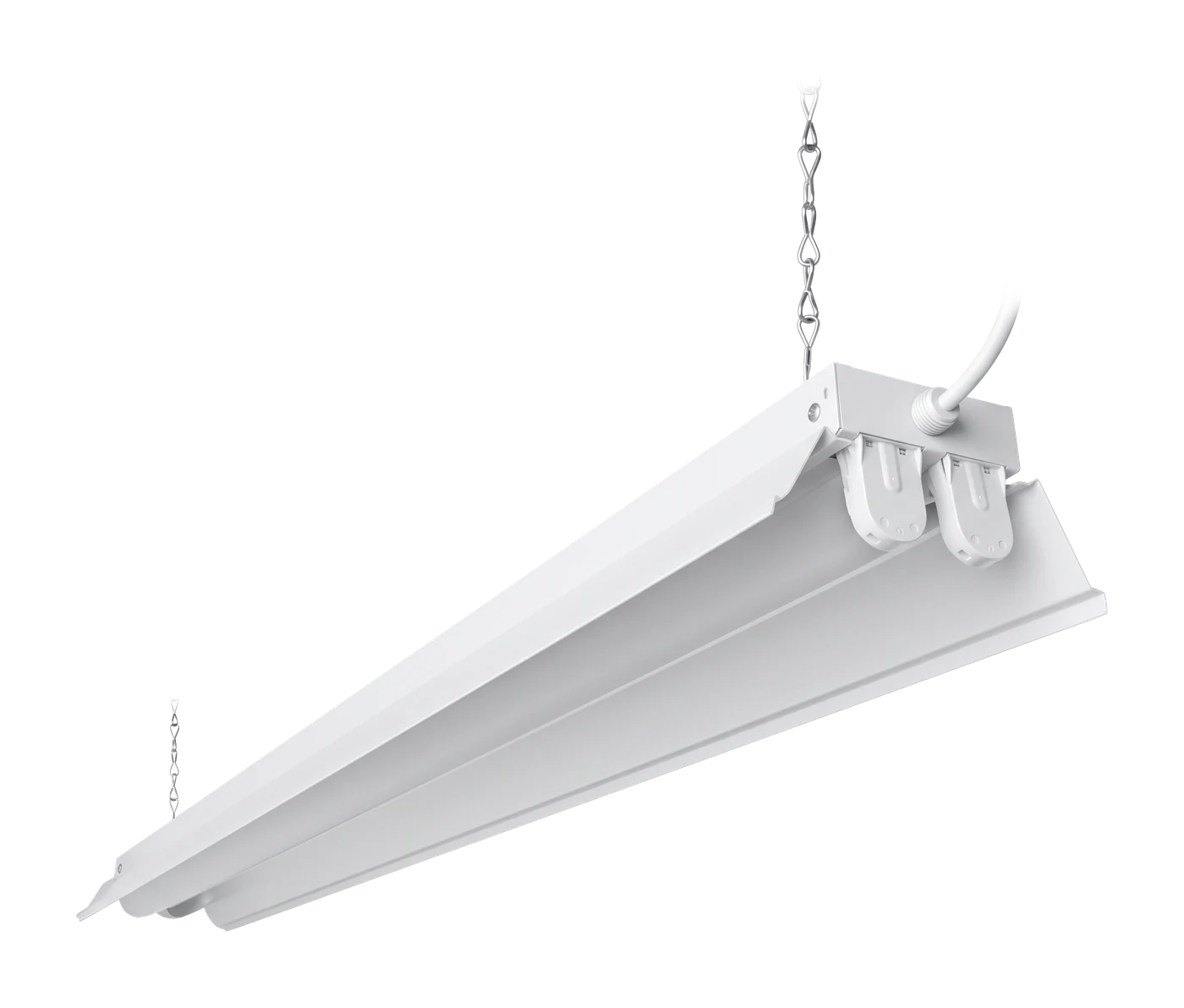
Does the tube shop light include its LED tubes?
No. ZF2208-SP uses two T8 LED tubes sold separately. Compare the fixture with the compatible tubes you plan to buy. The empty fixture alone does not give you a total lumen output. Tube shop-light contents.
Is rated life the same as warranty coverage?
No. Rated life and a limited warranty are different. A light’s listed life does not mean it has a warranty for that whole period. Read the warranty details and instructions for your exact product. Check exact-model warranty information.
Fit, brightness and light color
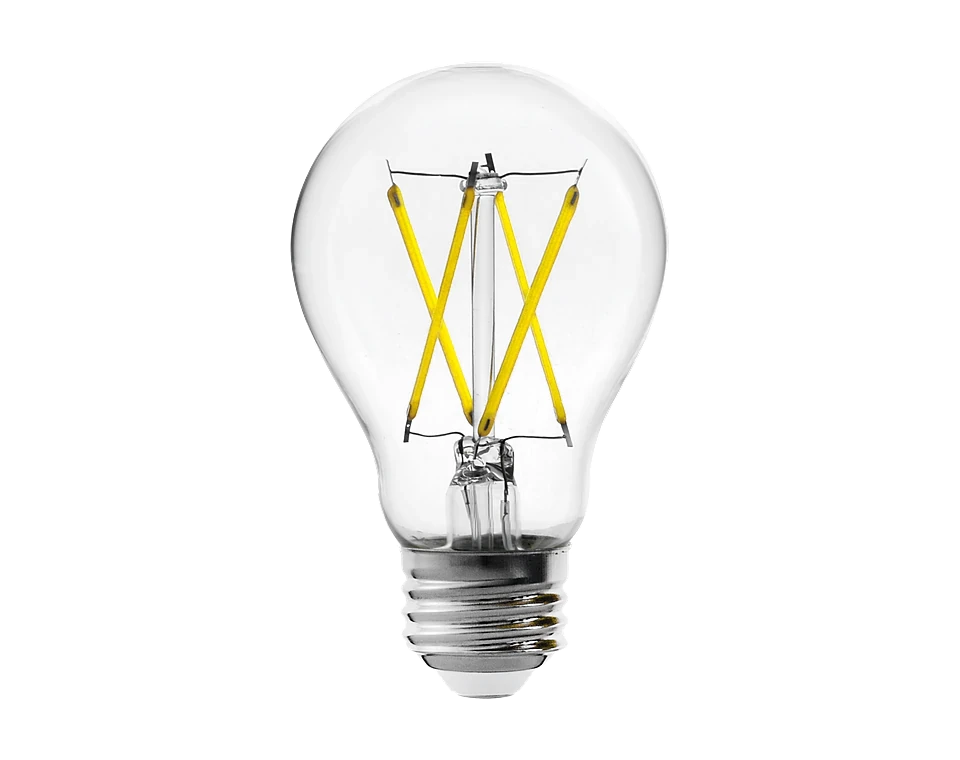
Will an E26 bulb fit any E26 fixture?
Not always. The base may fit while the bulb is too wide or tall. Measure the fixture’s opening and inside space. Then check electrical limits, whether enclosed use is allowed, the location rating and controls. Bulb-fit checklist.
What do A19, BR30 and PAR38 mean?
They name the bulb’s shape and usual diameter, not its socket or outdoor rating. Check the base separately. Use the exact bulb’s dimensions to see whether it has enough room. Bulb shapes and bases.
Why is a garage bulb bigger than an ordinary household bulb?
A brighter bulb can have a bigger body even with the same E26 base. Check the TB50 dimensions on its product page against your shade or cage before ordering. TB50 dimensions.
Are lumens or watts the brightness number?
Lumens tell you how much visible light a bulb gives off. Watts tell you how much power it uses. Compare lumens for brightness. Check actual watts against the fixture’s electrical limits. Lumens versus watts.
How much light does a garage need?
It depends on floor area, ceiling height, anything blocking the light and what you do there: park, work on a car or do fine bench work. The garage guide explains its reference levels and calculation assumptions. Use it to plan, not as a promise of exact lighting results. Garage brightness guide.
Which light color should I choose for a room?
Compare Kelvin values. Lower numbers usually look warmer; higher numbers look cooler. Choose the color you like for the room, then check lumens separately for brightness. The guide explains the site’s color names with room examples. Light color by room.
Where do I find a light’s color temperature?
Check the product page for a confirmed Kelvin value. Some lights have several settings, some list plant-light spectrum details and some have no confirmed Kelvin value. We do not guess missing values. Reading color information.
Is daylight color always brighter or better for detail?
No. Kelvin tells you how white light looks. Lumens tell you its output, and CRI describes how colors look under it. The Zone product details used in the guide do not list CRI scores. Color temperature and CRI.
How do I avoid a light that feels too harsh?
Work out whether the problem is too much light, a cool color, or glare from a bare light or reflection. Check the view from where you sit or work. Compare where the light sits as well as its lumens. Comfortable brightness.
Is a garage panel light also a fan?
No. You tilt its panels to aim the light; they are not fan blades. Before buying, check its full width when set up for use and the space to the door, opener, shelves and ceiling. Adjustable garage lights.
What measurements matter for a slim recessed light?
Check the required ceiling hole, available depth, mounting method and space for the junction box. The trim size or overall size may not be the size of hole you need. Recessed-light measurements.
Can an E26 bulb go into an E39 socket?
They are different base sizes. An adapter does not automatically make the bulb suitable for the fixture or the way you want to use it. Ask an electrician about the mismatch. Check all size and electrical requirements too. Socket types.
Power, controls and installation planning
Can every LED light be used with a dimmer?
No. Check how your exact model dims and which control it needs. A sensor, remote or color selector does not mean it works with a wall dimmer. Dimming and flicker.
Can a hand-wave bar use a wall dimmer?
Z-UCL-2014-18IN dims at its hand-wave sensor and says not to use dimmer switches. Check other models separately. Hand-wave bar details.
What should I record if an LED flickers?
Note the light and control model numbers, which lights flicker and when it happens. There are several possible causes. Read the instructions and ask an electrician to check electrical issues. One bulb or dimmer change will not solve every case. Flicker questions.
How many lights can I link together?
Use the limit and compatible connections listed for your exact system. Some limits count lights; others give total watts. A matching plug or longer linking cord does not let you exceed that limit. Linking limits.
Are plug-in and hardwired lights interchangeable?
No. They connect to power differently. A product may allow one or both options. Before wiring, turn off power at the breaker; follow local code; use a licensed electrician if unsure. Power options.
Can I put LED tubes into any old fluorescent fixture?
Matching length is not enough. The tube must work with the fixture’s wiring setup and meet any ballast or conversion requirements. This site does not give one conversion method for every fixture. Tube and fixture choices.
Does smart RGBW tape work with my existing app or network?
Check before buying. The Zone tape lists app and remote control, but this site does not name its smart-home platform or network type. Ask whether it works with the setup you need. Smart tape details.
Can I cut, rejoin or extend any tape light?
Only if the exact light’s instructions allow it. A tape you can cut to length may not allow you to rejoin it or add another reel. Plan the route and power setup before cutting. Tape-light planning.
What lighting should a renter check first?
Start with allowed replacement bulbs and plug-in options. Then check the mount, cord route and rental rules. A plug or adhesive backing does not guarantee no drilling or damage-free removal. Lighting for renters.
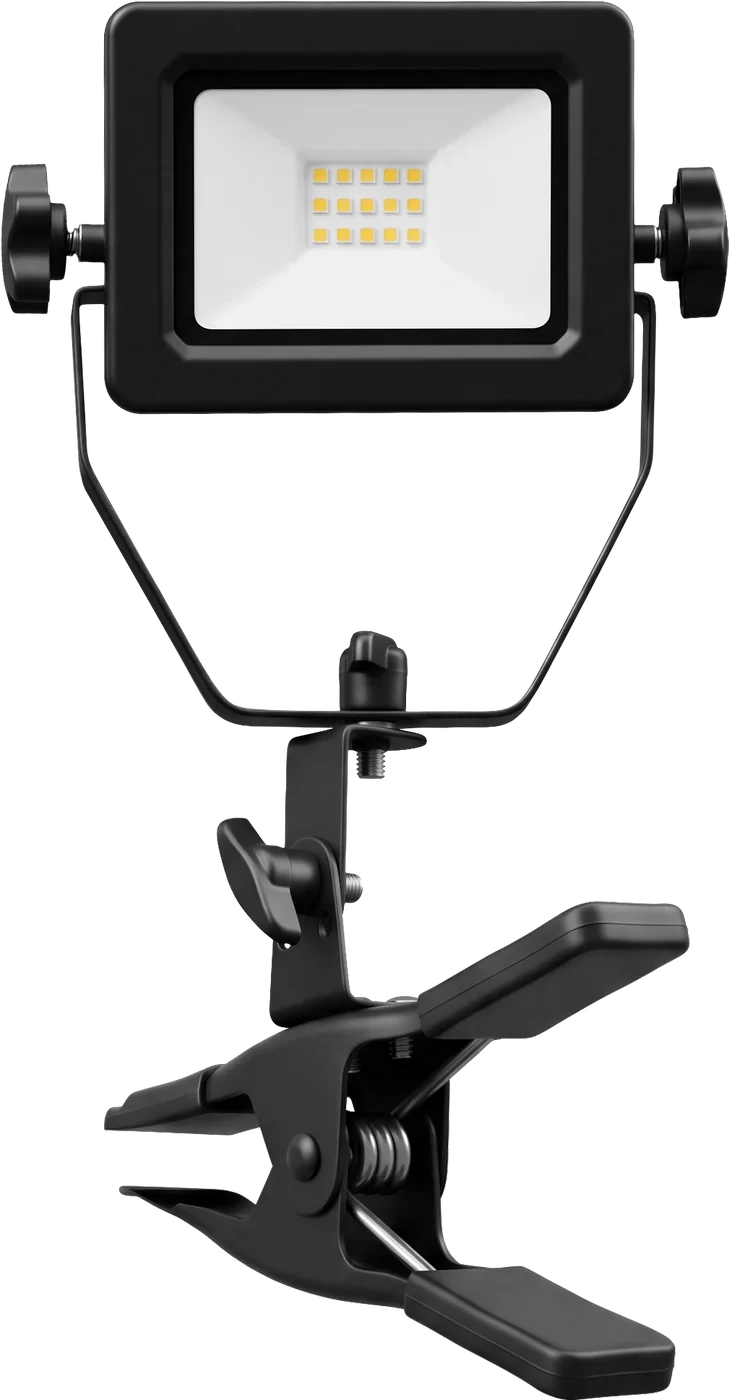
Which work-light mount should I choose?
A tripod raises the light. A stand holds it near the job. A clamp needs a suitable support. Match the model’s size, cord, location rating and mounting instructions to your workspace. Work-light mounts.
Does a linking cord work with every Zone light?
The published details do not say that one cord works with every model. Match the cord and lights to the approved system. A longer cord does not raise the power supply’s load limit or tell you how many lights you can add. Linking-cord compatibility.
Outdoor, porch and decorative lighting
Does damp rated mean waterproof?
No. Check that the exact location rating suits the moisture and water the light will face. Damp rated does not mean it can face direct water. Wet rated alone does not mean it can go underwater. Location ratings.
Can an indoor light go under a covered porch?
Do not assume it can. Moisture and wind-driven rain may still reach it under the roof. Check that both the fixture and any separate bulb suit the actual conditions. Porch-light checks.
Which Zone string lights have published outdoor permission?
Z-SL-FRBFR-12 is listed for indoor and outdoor use. Z-AC-SL-24RGB is listed for outdoor use with a GFCI-protected outlet. Follow the instructions for the string, adapter and connections. These ratings do not apply to every model. String-light ratings.
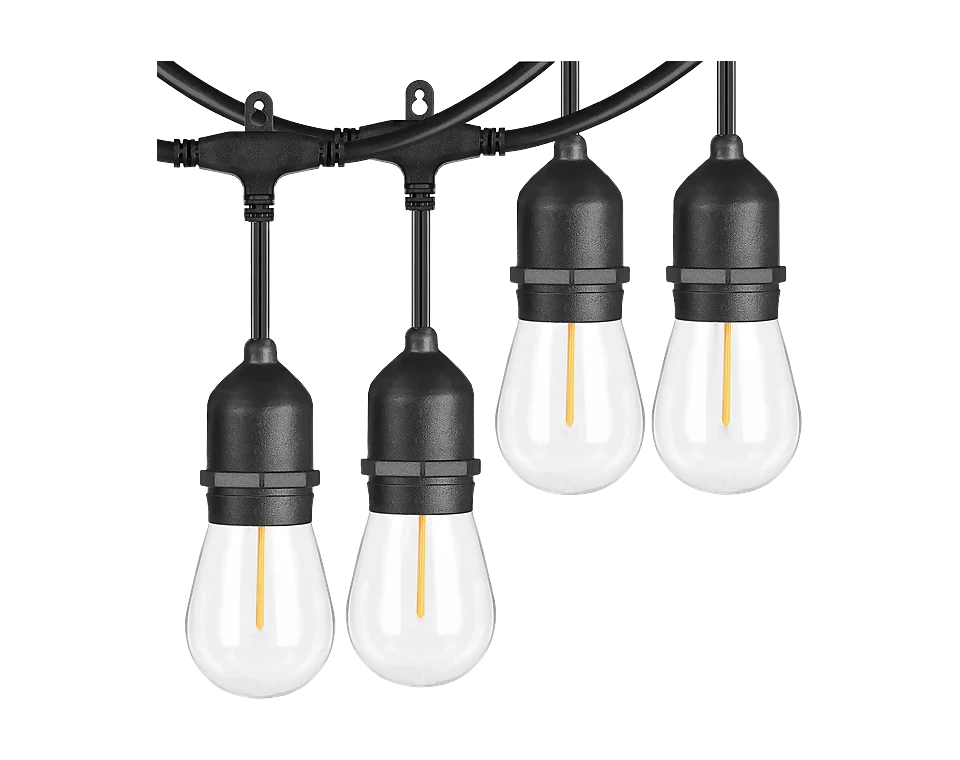
How do I measure a string-light display?
Measure the whole route, including curves and hanging spans. Measure the distance to power separately. Check the lead length, mounting rules and linking limit too. The listed string length does not answer all these questions. Measure before buying.
Will solar rope lights run all night?
Zone does not list a guaranteed nightly runtime or charging time for the ropes in the guide. Sunlight and conditions during use affect them. Do not rely on an unknown runtime for essential entrance or task lighting. Solar rope basics.
Does a motion light also work from dusk to dawn?
Only if the exact model lists both modes. A photocell reacts to the light around it; a motion sensor reacts to movement. Check your model’s sensor details. Do not assume it has another product’s mode. Sensor differences.
Is sensor range the same as light coverage?
No. Sensor range tells you how far it detects movement. Light coverage depends on output, where the light is aimed, mounting and anything blocking it. You cannot work out coverage from the sensor range. Choosing a wall light.
Does an outdoor-rated cord mean the whole light is wet rated?
No. Check the light’s own location rating and the requirements for all its parts together. A cord or adapter’s rating does not become the fixture’s rating. Whole-system location checks.
Do solar lighting modes guarantee longer runtime?
The number of modes tells you how many lighting effects you can choose. Zone does not list runtime for each mode on the ropes in the guide, so there is no promised number of hours. Solar modes and runtime.
Should I choose a wall pack or a porch lantern?
Start with the area and job you need to light. A wall pack mounts on a wall to light an area. A porch lantern may need a separate bulb. For each product, check brightness, glare, mounting, controls and the moisture or water it can face. Wall-light comparison.
Indoor plants
Should I choose a grow bulb, strip or fixture?
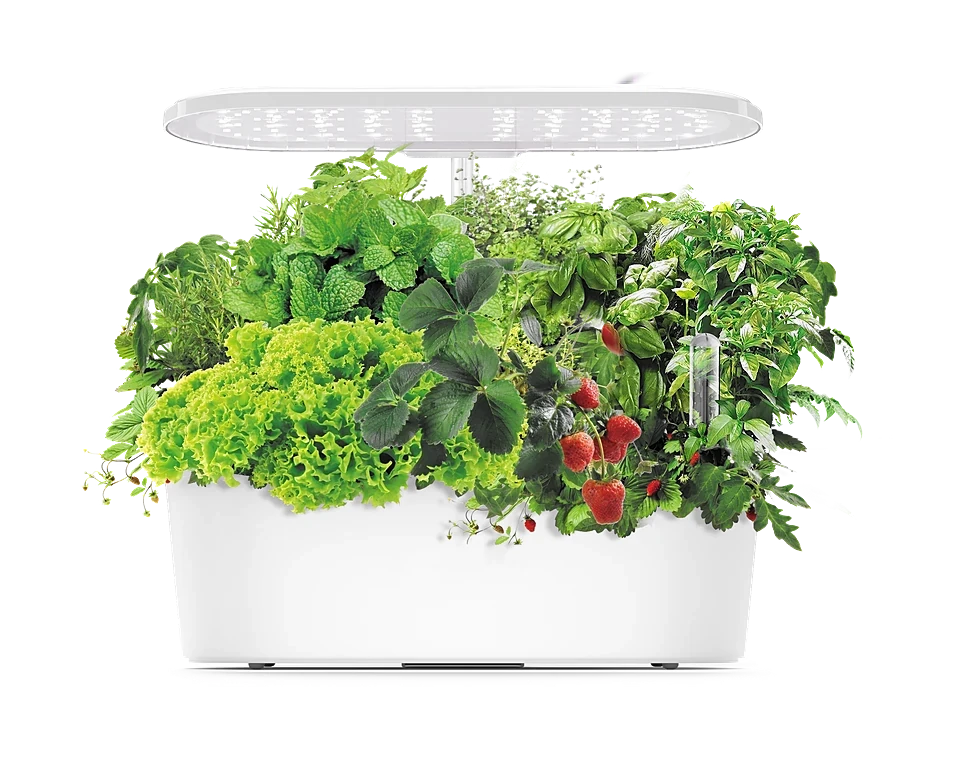
Choose a type that fits your plants’ layout and the space for mounting. Then compare the exact product details. A bulb over a group of plants, a strip along a shelf and a tabletop garden with built-in lighting fit different setups. Grow-light formats.
How far above the plants should a grow light sit?
Follow the exact model’s instructions and your plants’ needs. The public product details do not give one Zone hanging height or coverage map for all setups. Measure the space above the leaves and leave room for growth. Plant-shelf planning.
Does a PPF number tell me how many plants a light covers?
No. PPF measures the total photosynthetic photons a light gives off. Coverage depends on how much light reaches the growing area at a given height. That one output number cannot guarantee how many pots it will light. Plant-light measurements.
Does full-spectrum mean every plant can use the same schedule?
No. Spectrum, intensity and hours of light are different things to check. A listed timer cycle tells you how the product runs. It is not the right schedule for every plant. Spectrum and timing.
What timer cycle is published for the tabletop mini garden?
Z-VG-MB has a built-in cycle of 16 hours on and 8 hours off. That is how its timer works, not a recommendation to use that schedule for every plant. Tabletop garden details.
Wire connectors and terminals
How do I choose a wire-nut size?
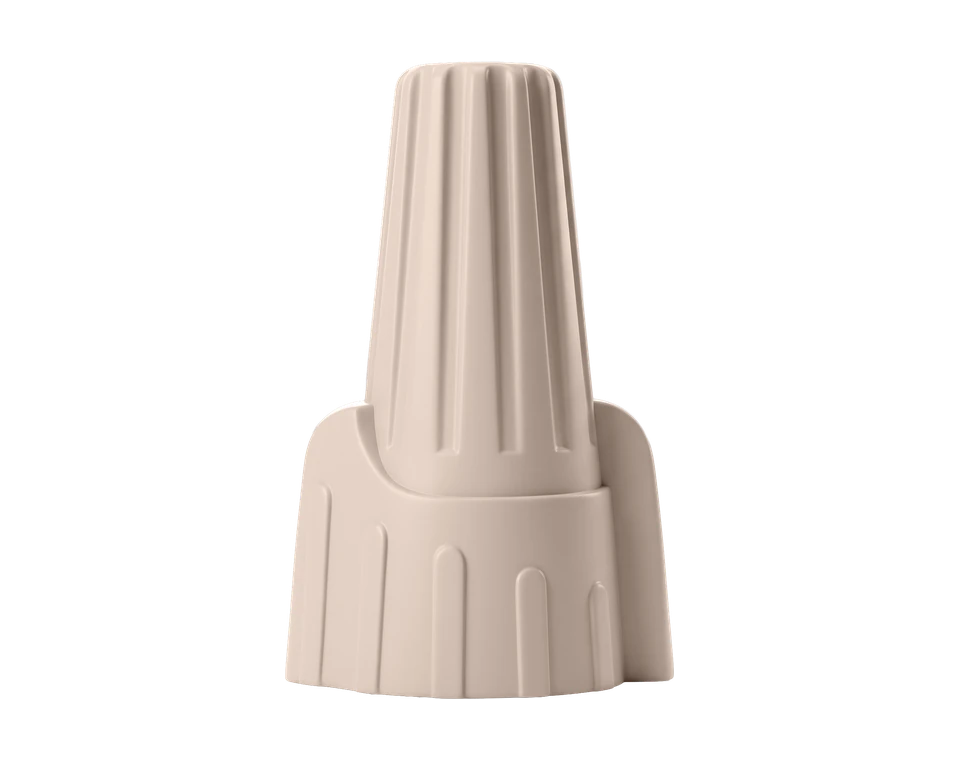
Check the exact connector’s listed wire range first. Then read its instructions for the allowed wire material, construction and combination. Color alone cannot tell you whether it fits. Wire-nut size chart.
How many #12 wires fit a red, yellow or tan wire nut?
Use the connector picker’s box charts for P11V, P3, P99 and R6. Match the exact SKU and follow all the printed conditions. This site has no combination charts for red P13/P6 or tan P12C. Their AWG ranges cannot tell you how many wires fit. Published box charts.
What does AWG mean?
AWG means American Wire Gauge. A lower number generally means a thicker conductor. A connector’s wire range does not tell you the circuit’s allowed current or how many wires can go in a splice. Wire-gauge basics.
Is Zone’s blue wire nut the large blue size I know?
Not necessarily. P2 is a compact blue connector with its own listed wire range. Check its exact SKU in the size chart instead of assuming blue means the same size as another product. Check P2 in the chart.
What is the green wire nut with a hole for?
P99 is a grounding connector with a pigtail hole. That description does not mean you can use it for a general live-wire splice. It also does not tell you which wire combinations are allowed. Grounding connector guide.
Are lever and push-in connectors the same?
No. They grip wires in different ways. Check each model’s wire requirements and whether it can be reused. PC623 is listed as reusable; that does not mean every push-in connector is. Connector comparison.
Can I use three wires in each port of a three-port connector?
Do not assume you can. Three ports does not mean several wires can share one port. Follow the exact connector’s instructions. Its wire range and pack count cannot fill in a missing rule about wire combinations. Port and wire limits.
Which Zone connectors are listed for direct burial?
R3 and R6 have published direct-burial listings. You still need to match the wire combination and intended use. The guide does not confirm irrigation-specific approval or give a burial depth. Direct-burial connectors.
Do I need a butt connector, fork or ring terminal?
Choose the shape your equipment allows. Then match the wire range and, where needed, the stud size. A #8 stud size does not mean 8 AWG wire. Terminal selection.
Does heat-shrink insulation make a terminal suitable underground?
Not by itself. Check the exact SKU’s allowed uses and installation instructions. Compare the separately listed direct-burial family if you need an underground connector. Insulation and application.
What safety basics apply before wiring?
Turn off power at the breaker; follow local code; use a licensed electrician if unsure. Follow the exact product and equipment instructions. These buying guides do not give strip lengths, torque, crimp settings or a full installation plan. Choose a connector.
Can I reopen and reuse the R6 sealed connector?
No. The R6 box label says one-time use and no continual submersion. Follow those limits. A lever connector that can be reused does not mean you can reuse a sealed wire nut. R6 box conditions.
Listings and retail buyers
What does UL listed mean on Zone wire connectors?
Check the listing and standard for the exact SKU. A listing does not approve every wire combination, material or environment. Read it along with the product’s instructions and limits on where and how it can be used. UL listings explained.
Is every Zone product listed?
Check each product. A listing applies to that product, not the whole brand. Read its listed certification details and the certifications page. Do not assume a product has a mark that is not documented. Product certification records.
Does a standard covering copper and aluminum approve my connector for both?
No. The exact connector’s markings and instructions must allow the wire material you plan to use. A standard can cover more materials than one connector is approved for. Read the exact product scope.
Where can I read the California Prop 65 warning?
Open the Prop 65 support page to read the exact warning. It states that Zone LED lighting products carry the short-form warning shown on their boxes and product pages. Ask Zone if you have a question about a model. California Prop 65.
Can retail buyers request a line sheet, samples or program information?
Yes. Use the retailer page to request the current line sheet by category, listing marks by model/SKU, samples for categories you are reviewing or program terms. It does not promise a sample quantity, minimum order or time to complete a request. Retail-buyer requests.
Does not published mean a product lacks the feature?
No. It means the public product details do not answer that question. It does not mean the feature is absent or that a use is allowed. Ask about the exact model if you need the detail before buying. How to read missing specifications.