
Zone · Guides · Grow light colour
What colour grow light should you choose?
Spectrum is only one part of a grow light. How much light actually reaches the leaves, and for how many hours, matters just as much. A purple or white glow won’t tell you either one, so judge a grow light by what it puts on the plants, not by its colour.
What does full spectrum mean?
“Full spectrum” means the light gives off a broad mix of wavelengths instead of just red and blue. There’s no standard behind the term, so it doesn’t promise a certain brightness, coverage area or harvest. Red-and-blue lights look pink or purple; broader mixes look white. Neither look tells you whether enough light reaches every leaf. University of Minnesota Extension explains light quality, intensity and duration for indoor plants.
What is a colour-select grow light?
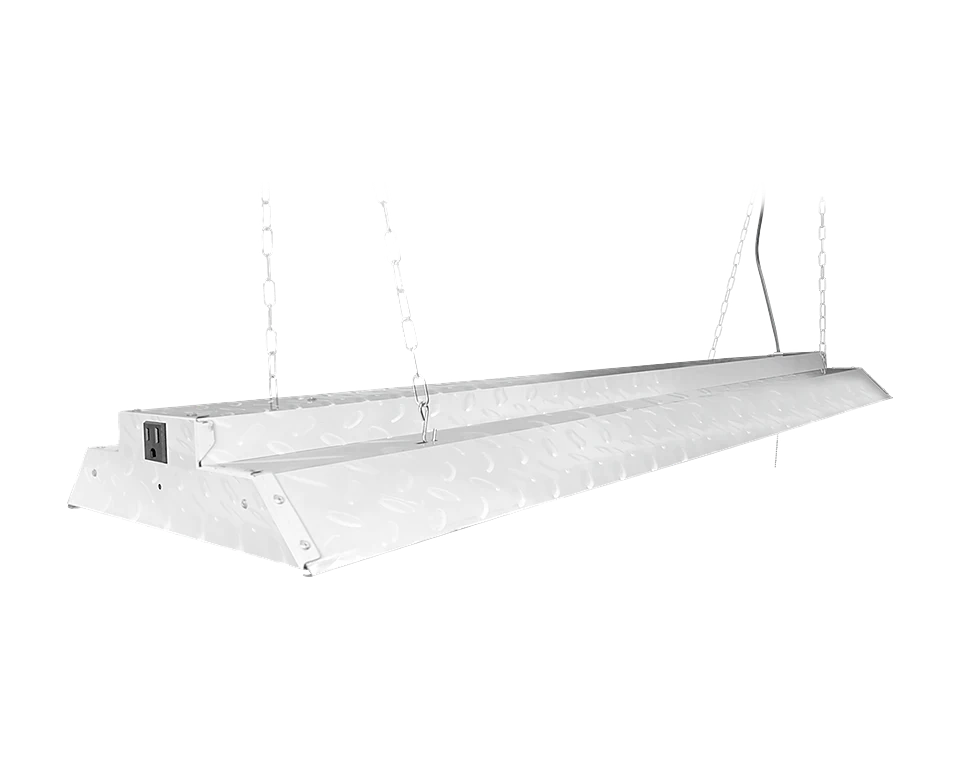
It’s a fixture with more than one spectrum setting, so you can change the light’s mix as plants grow. Zone’s Z-DW-B21-GRSPL has three spectrum settings for growth stages and hangs from chains. Zone hasn’t published the exact wavelength mix of each setting or a crop-by-crop schedule, so we don’t tell you which setting to use for which plant. The instructions and your plant’s own needs are the place to start.
Match the Zone format to your setup
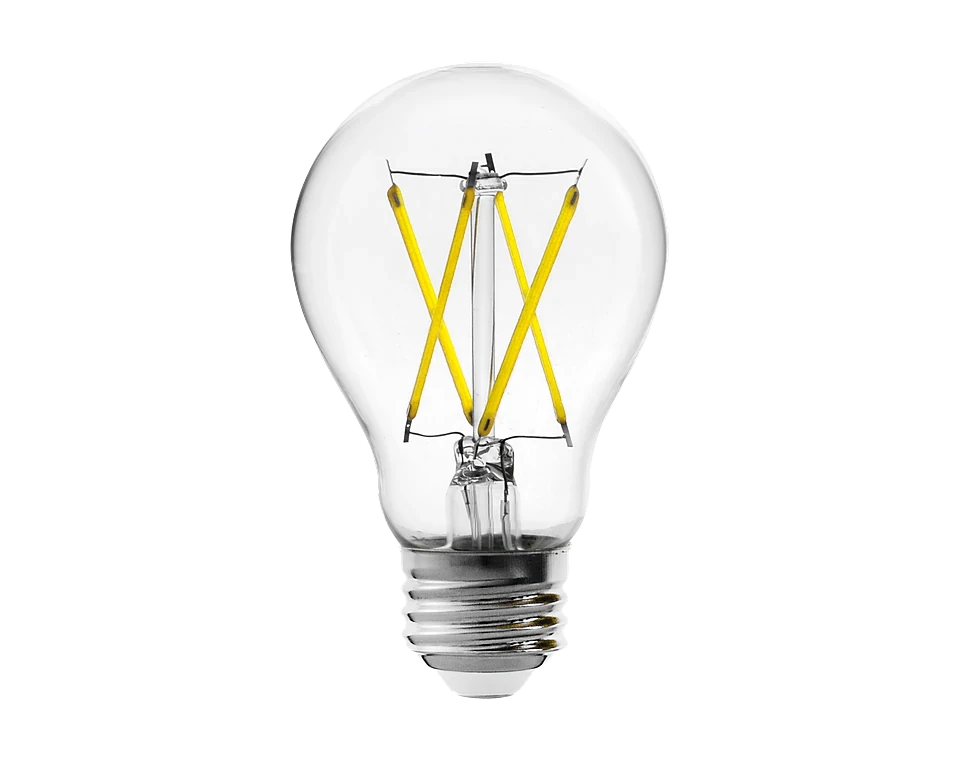
- Have a lamp with an E26 socket? Look at the Z-GR-CB40 bulb, and check the socket requirements on its product page.
- Growing along a shelf? The Z-XP-GSH4 linkable strip runs in a straight line; follow its mounting instructions.
- Need light to bend around a rack? The Z-TPL-GR12 tape has adhesive backing and a plug-in adapter.
- Want a hanging fixture with spectrum settings? Look at the Z-DW-B21-GRSPL. These match the light to the space; they don’t promise a growth result.
| Zone light | Published features | Power | Location |
|---|---|---|---|
| Grow light bulbZ-GR-CB40 | Screws into a standard E26 socket · 49 umol/s PPF as published on the listing | Not published | Not published |
| 4 ft linkable grow stripZ-XP-GSH4 | Links end to end · Integrated LED, keeps plants cooler | Plug-in | Indoor use only |
| 11.8 ft grow light stripZ-TPL-GR12 | Bends under shelves and plant racks · Plugs in, adhesive backing · Red and blue diodes | Plug-in adapter | Not published |
| Colour-select grow lightZ-DW-B21-GRSPL | Three spectrum settings for growth stages · Hangs from chains | Plug-in | Indoor use only |
These are the specifications and features published for each exact model on its linked product page. “Not published” is an information gap, not a rating or a “no”.
What do you need for a plant-specific plan?
You need to know how much light lands on the growing surface, how evenly it spreads and how the light should be run. Two numbers come up a lot. PPF is the total plant-usable light a fixture puts out. PPFD is how much of that light lands on a spot, such as the top of a tray. A PPF figure alone can’t tell you how high to hang the light or how big a tray it covers. Don’t try to turn a Kelvin rating or a lumen number into a growing plan either; those are made for lighting rooms.
Zone hasn’t published coverage maps or plant schedules for these lights, so we can’t give you hanging heights, hours per day or yields. Use the model’s instructions and growing advice for your particular plants.
Spectrum, intensity and duration are three different things
Spectrum is which colours of light are in the mix. Intensity is how much light reaches the plants. Duration is how many hours a day the light runs. A good setup gets all three right, and you can’t read any of them from the colour of the lamp. A bright purple glow can look impressive and still leave the plants short of light.
Where the plants sit matters too. A tall plant can shade its own lower leaves, and pots at the back of a shelf may sit farther from the light than pots at the front. One output number for the whole fixture can’t describe all of those spots. That’s why a light map of the growing area is more useful than a photo of the light switched on.
Room lighting numbers don’t transfer
For ordinary white light, Kelvin tells you how warm or cool it looks and lumens tell you how bright it looks to people. Plants respond to light differently from our eyes, so grow lights need numbers made for plants. A colour temperature label doesn’t describe the full spectrum, and a lumen figure on its own can’t tell you if a plant is getting enough.
A spectrum switch is a control, not a built-in growing recipe. What matters is what each setting puts out and whether that suits your plants. Where a product only says the settings exist, that’s all you know, so don’t assume one is meant for seedlings and another for flowers or fruit until the instructions or plant guidance say so.
Common questions
Is purple light better than white light for plants?
Not by itself. Both can grow plants. What counts more is how much light reaches the leaves and for how long. White light is also easier to work under, since you can see the true colour of the leaves. Compare the spectrum and plant-level light figures, not how vivid the glow looks.
Does full spectrum mean it matches sunlight?
No. It usually means a broad mix of wavelengths, but no grow light copies sunlight exactly, and two lights both called “full spectrum” can have quite different mixes. If the exact mix matters to you, look for a published spectrum chart.
Can a daylight room bulb work as a grow light?
It can help a little, but it isn’t built for the job. “Daylight” describes how white the bulb looks to people, around 5000K or higher. It says nothing about how much usable light reaches your plants. For plants that depend on artificial light, use a light made for growing.
What’s the difference between PPF and PPFD?
PPF is the total plant-usable light a fixture gives off each second. PPFD is how much of that light hits a given area where you measure it. PPFD drops as the light moves farther away and changes from the centre of a tray to its edges, so one PPF number can’t tell you the light level at every leaf.
Can I run a grow light longer to make up for a weak one?
Only up to a point. More hours do add to the total light a plant gets, but plants also need darkness, and some, like many flowering plants, react to day length. Hours can’t fully make up for a light that’s too weak or too far away. Follow growing guidance for your plant.
Does a colour-select light change settings by itself?
Not unless the product says it does. On most colour-select lights you pick the setting yourself. Check the instructions to see what controls the light has and what each setting is for.
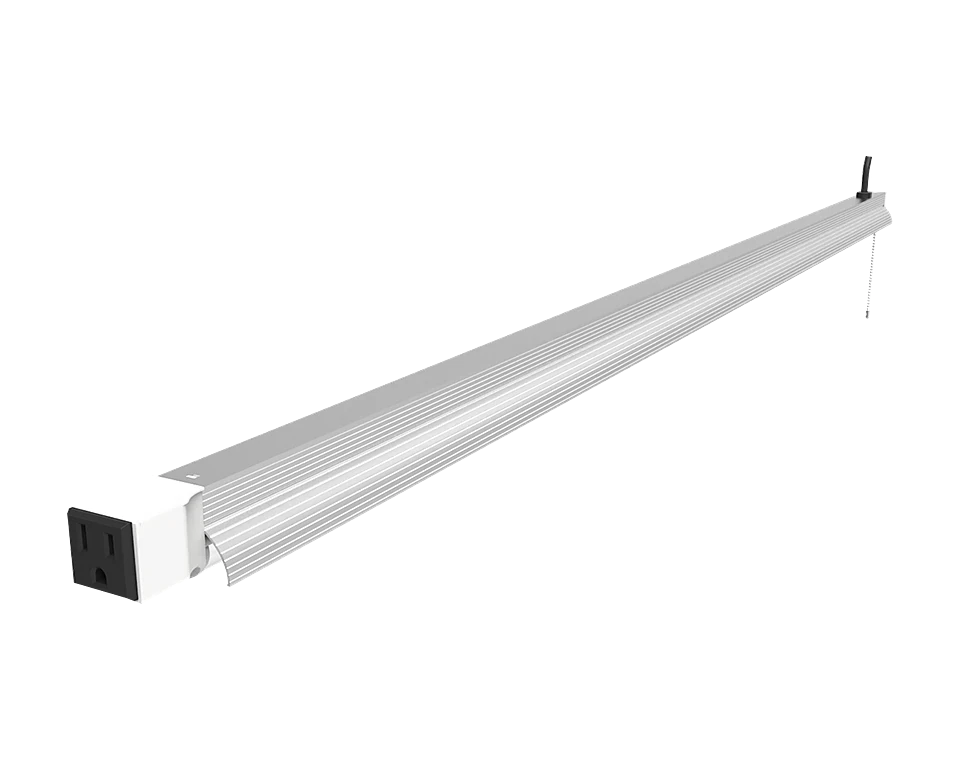
4 ft linkable grow strip
4 feet · full spectrum, red and blue
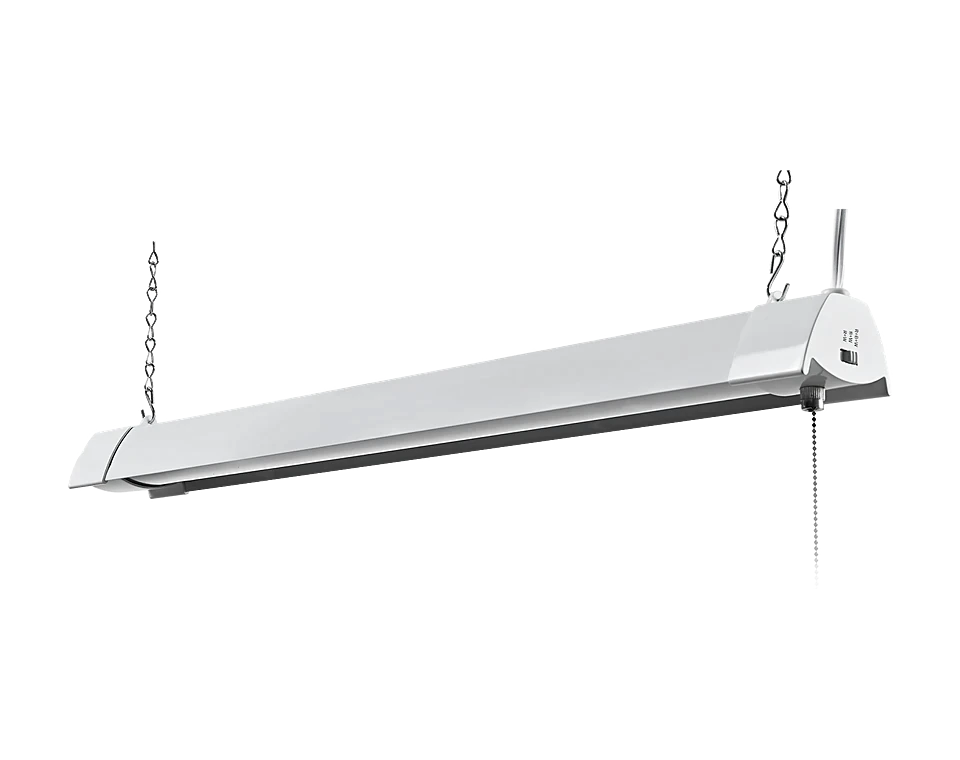
Colour-select grow light
3 spectrums · full spectrum, red and blue
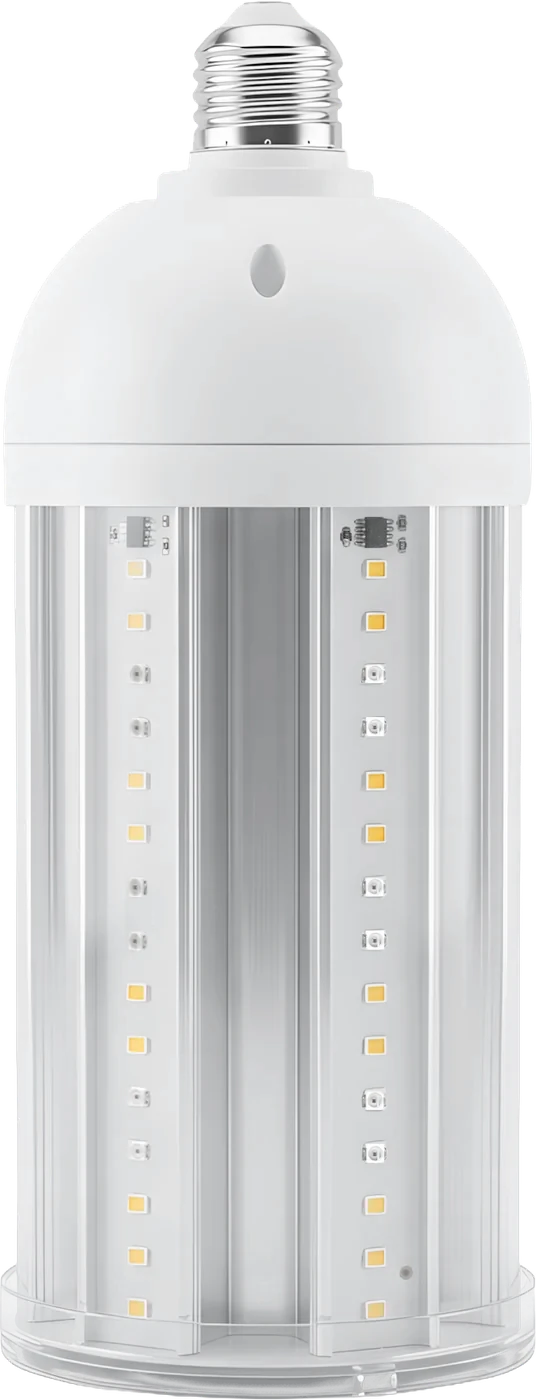
Grow light bulb
40 watts · full spectrum, red and blue
While stock lasts