
Zone · Guides · Dusk-to-dawn vs motion lights
Dusk-to-dawn vs motion sensor security lights
Updated
Before wiring, turn off power at the breaker; follow local code; use a licensed electrician if unsure.
How each one switches
| Dusk-to-dawn | Motion sensor | |
|---|---|---|
| Sensor | A photocell that reads the daylight | A sensor that detects movement in front of it |
| On | When it gets dark | When someone or something moves in range |
| Off | When it gets light | A while after the movement stops |
| Good for | Light all night: a door, a yard, a parking area | Light when someone arrives: a driveway, a side door, a path |
| Zone lights | 10 | 4 outdoor, 2 garage |
The on and off behaviour above describes the two kinds of control in general. How long a Zone motion light stays on, and how far it sees, are printed on each product only where the product page lists them.
Dusk-to-dawn lights
Each of these has a photocell, as published on its product page:
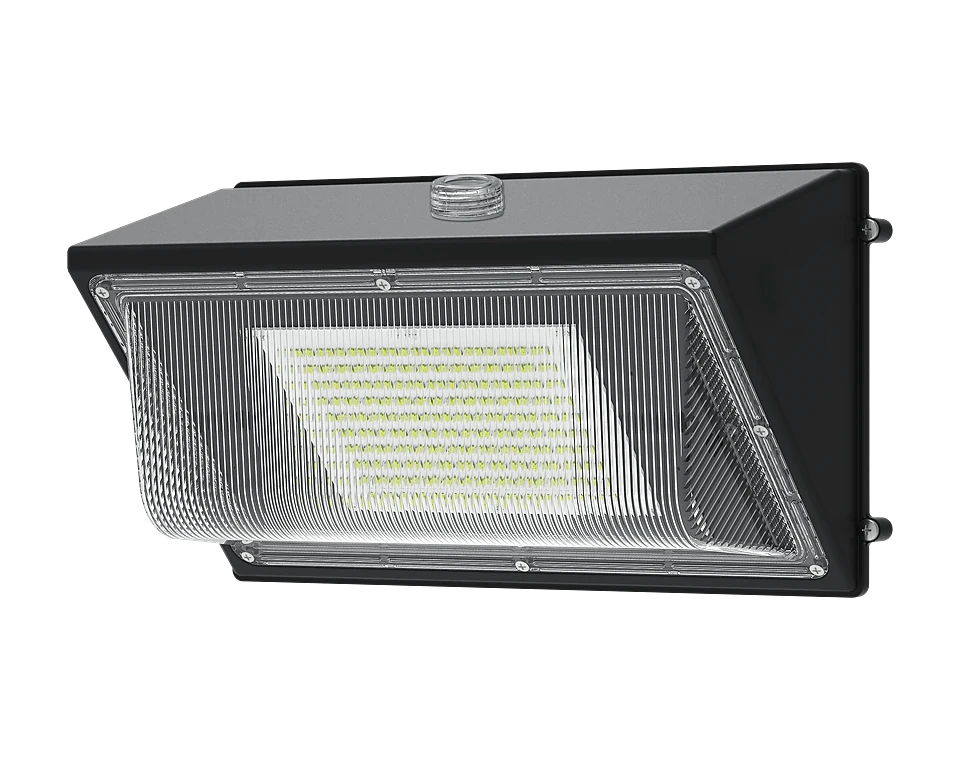
- Dusk-to-dawn wall pack (Z-WP150-DC): 3000K, 4000K or 5000K; cRI 80; photocell on the housing; mounts to a standard box; 15,000 lm, 120 W.
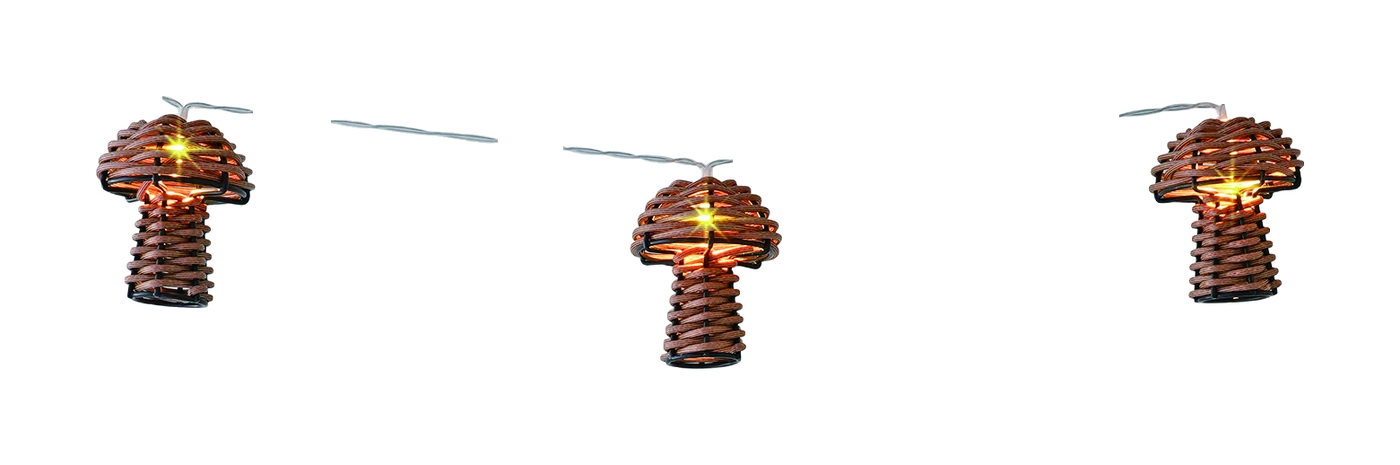
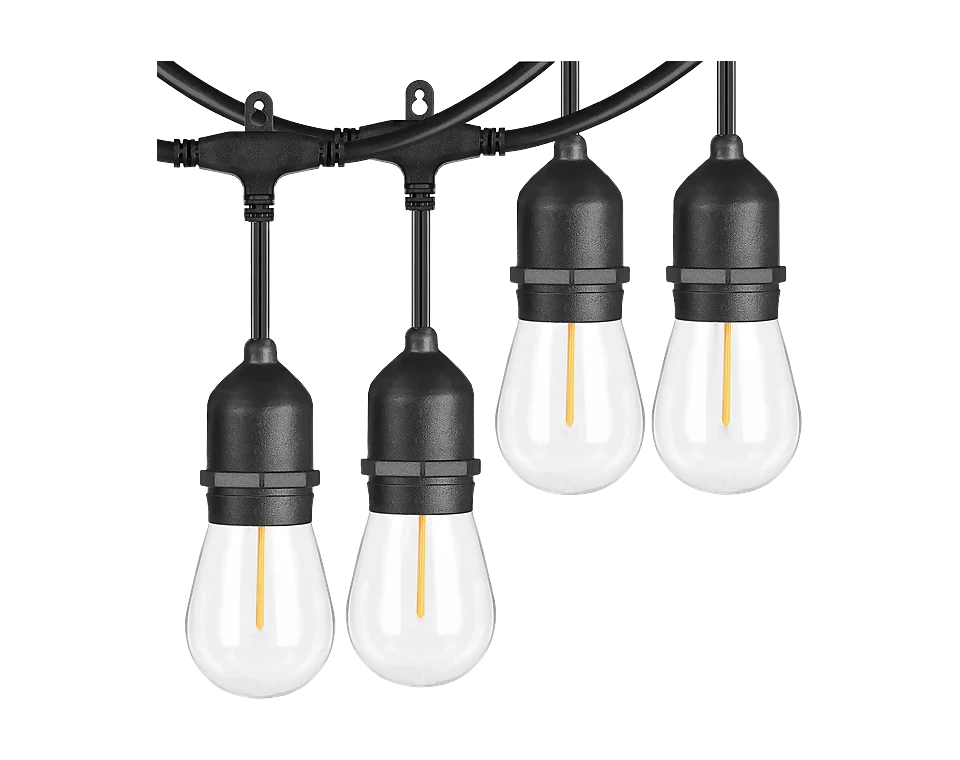
- 12 ft 10-light solar mushroom string light (Z-RTS-MR10): solar powered.
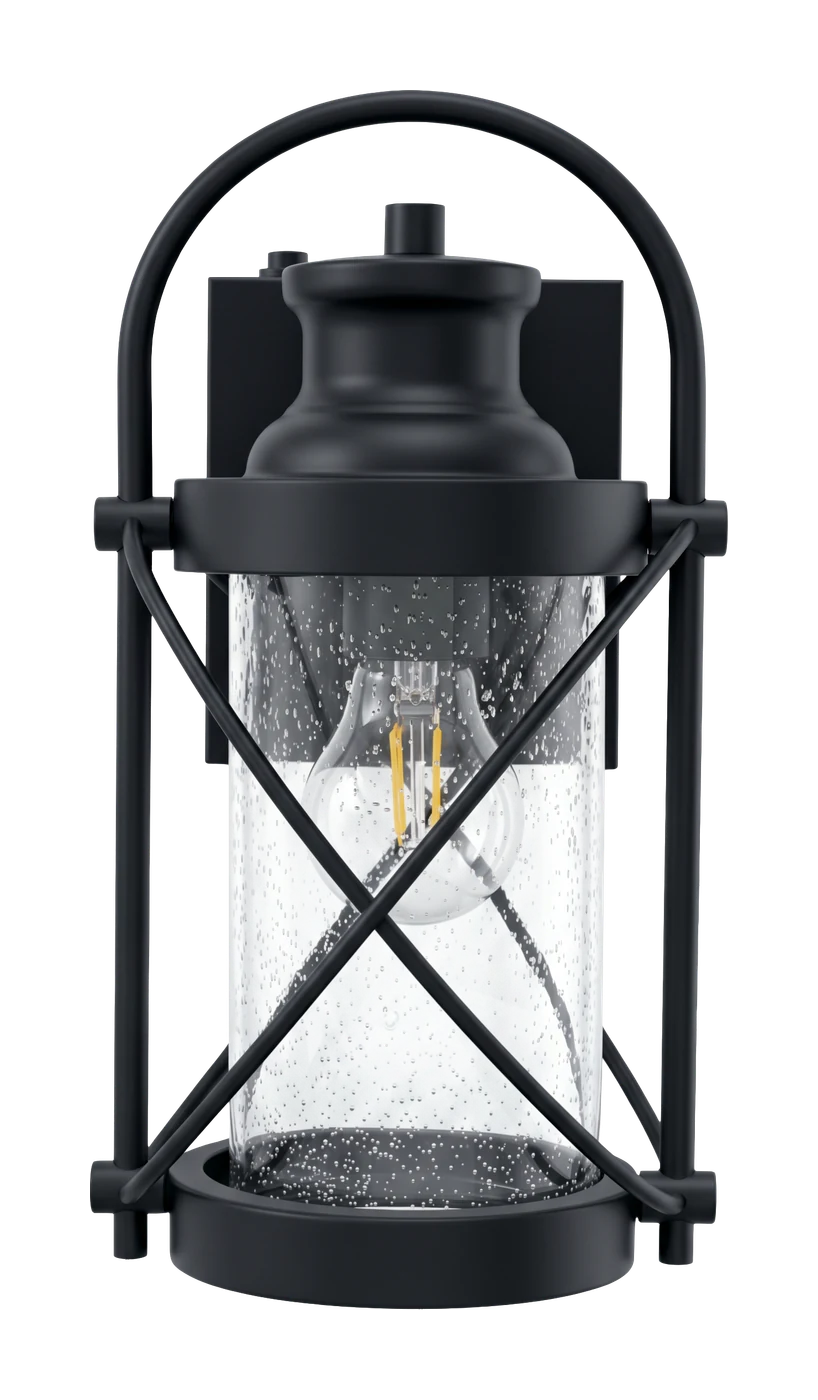
- Lanty dusk-to-dawn matte black outdoor wall light (Z-WL0484MB): dusk-to-dawn control.
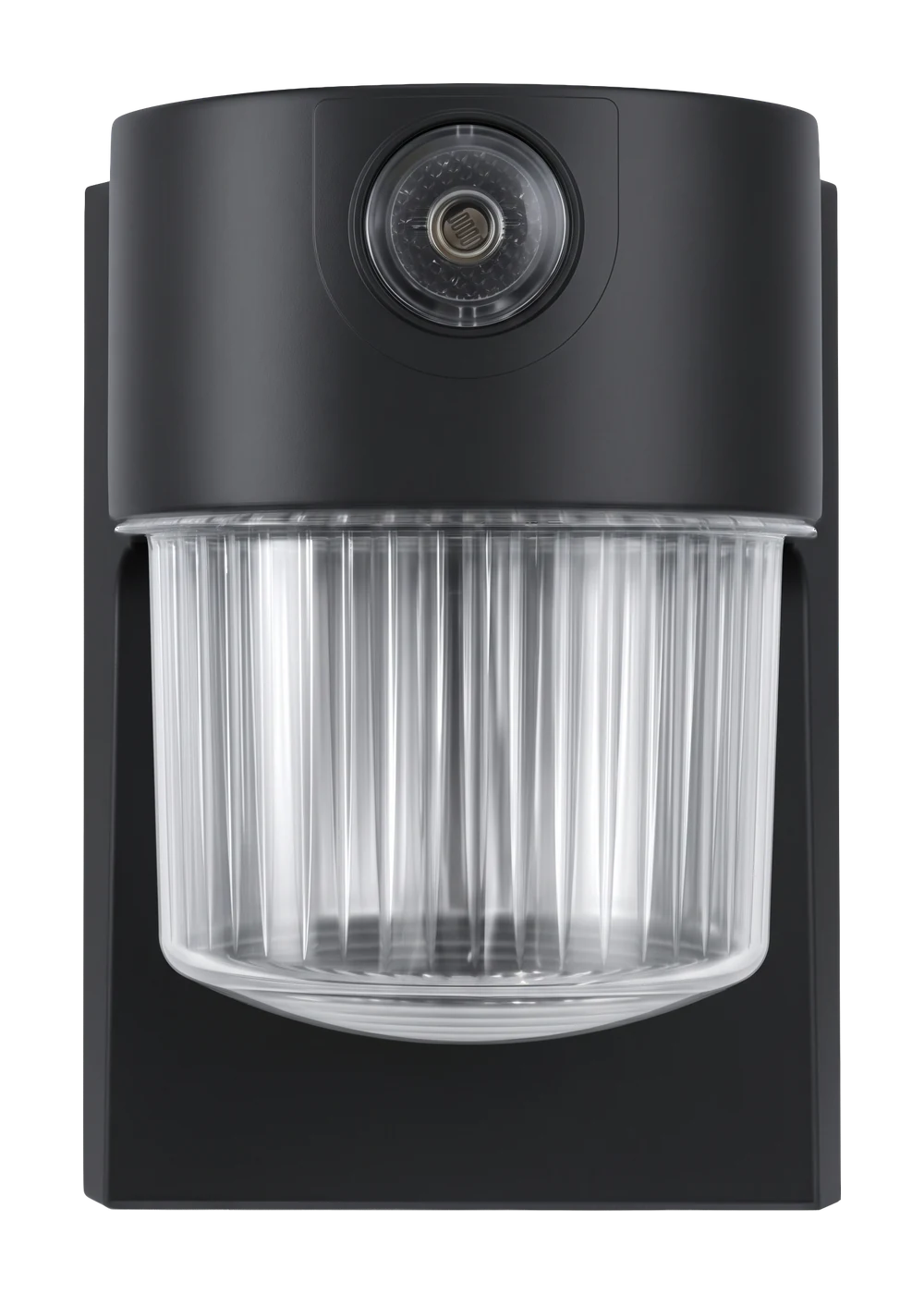
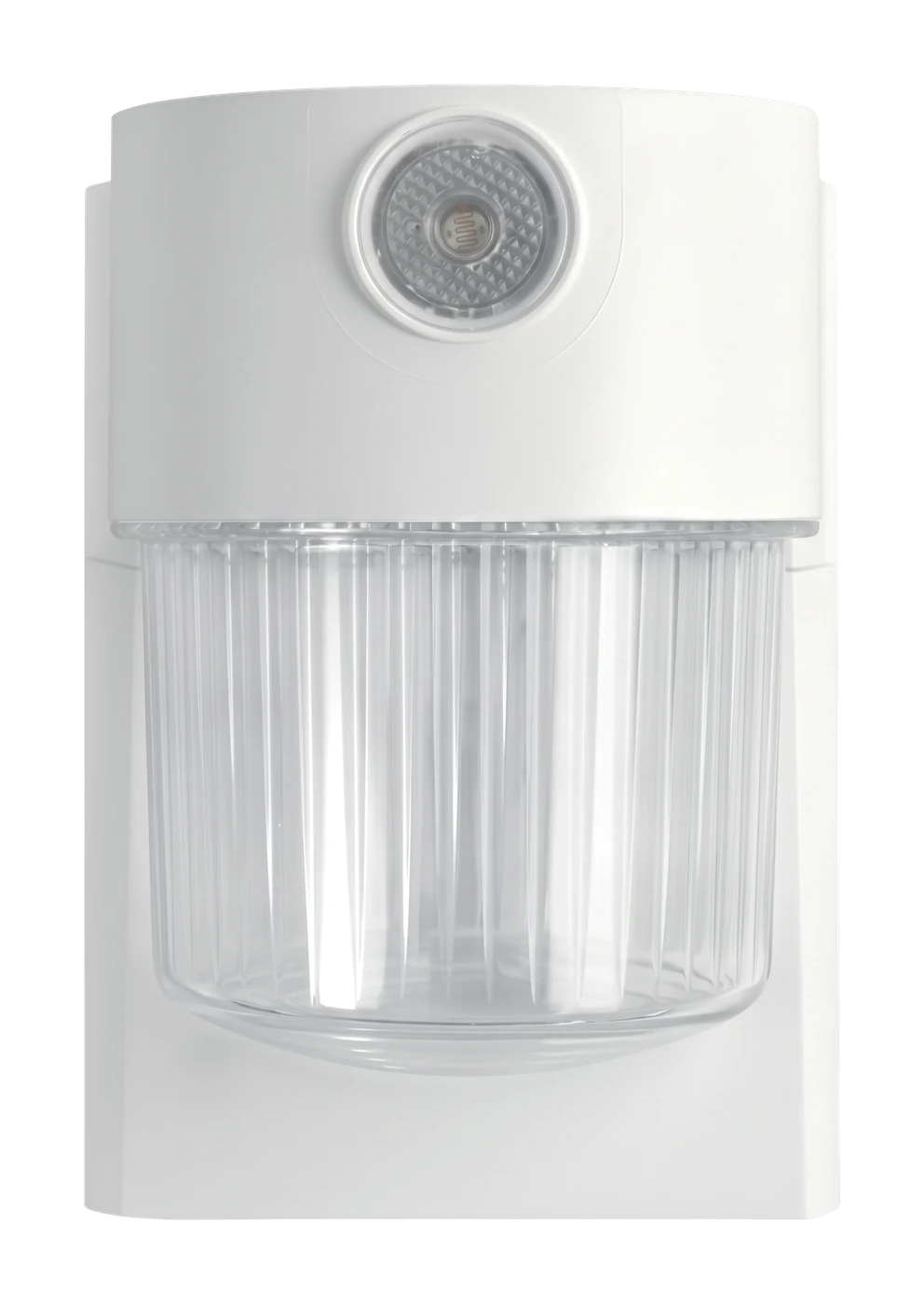
- Dusk-to-dawn jelly jar security light, black (Z-JW1000-B-DC): 3000K, 4000K or 5000K via wall switch; cRI 80; 1,000 lm, 9 W.
- Dusk-to-dawn jelly jar security light, white (Z-JW1000-W-DC): 3000K, 4000K or 5000K via wall switch; cRI 80; 1,000 lm, 9 W.
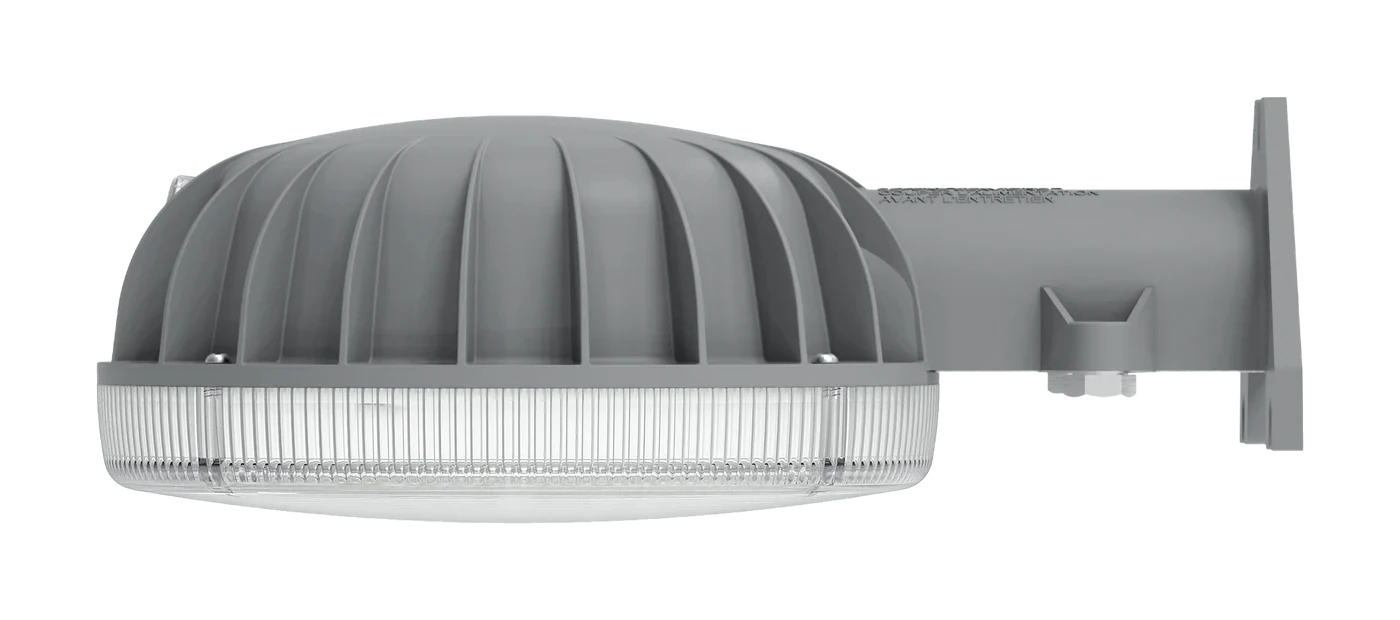
- Dusk-to-dawn area light (Z-XY-BL50-CCT): 3000K, 4000K or 5000K; cRI 80; 5,000 lm, 42 W.
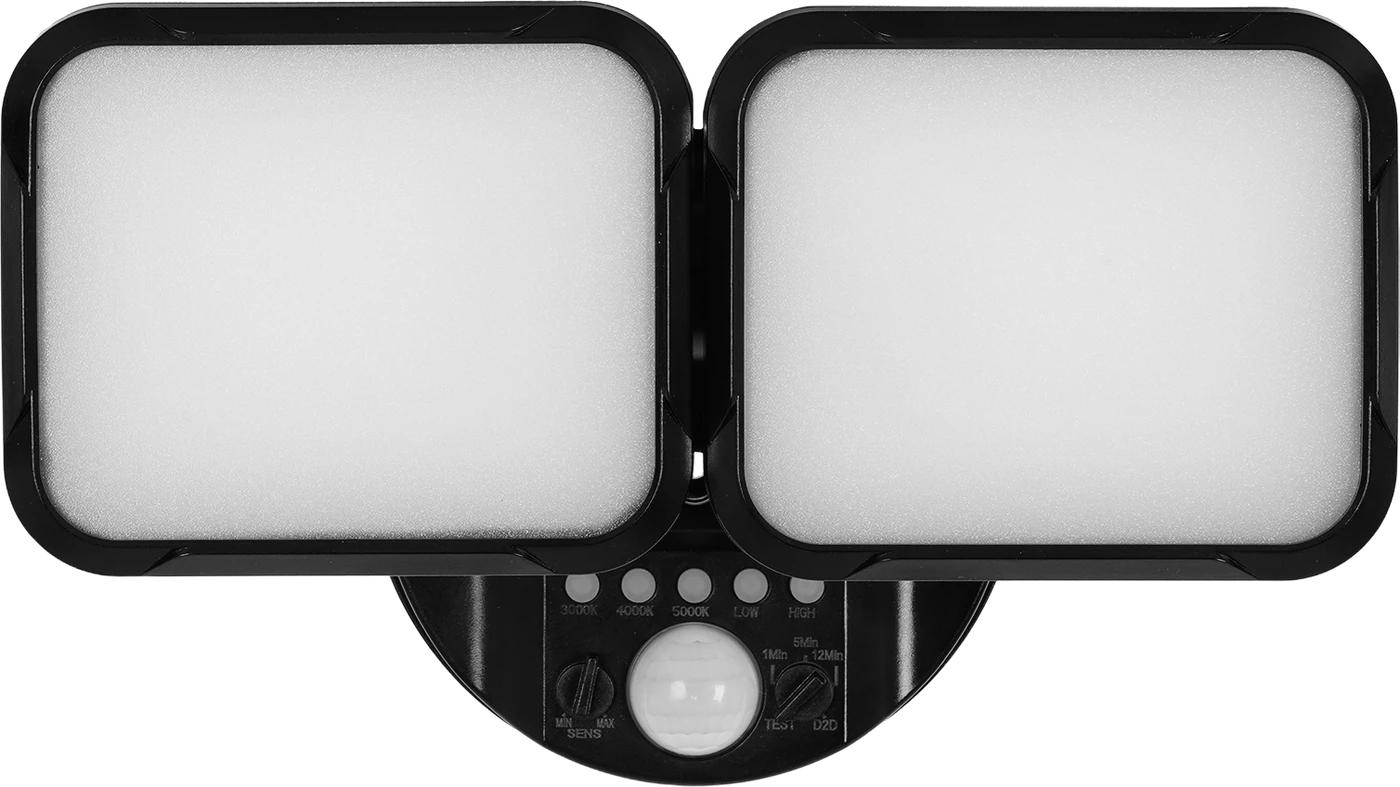
- Dual-head motion security flood light, black (Z-3SH-MA-BLK): two adjustable heads; 3,000 lm.
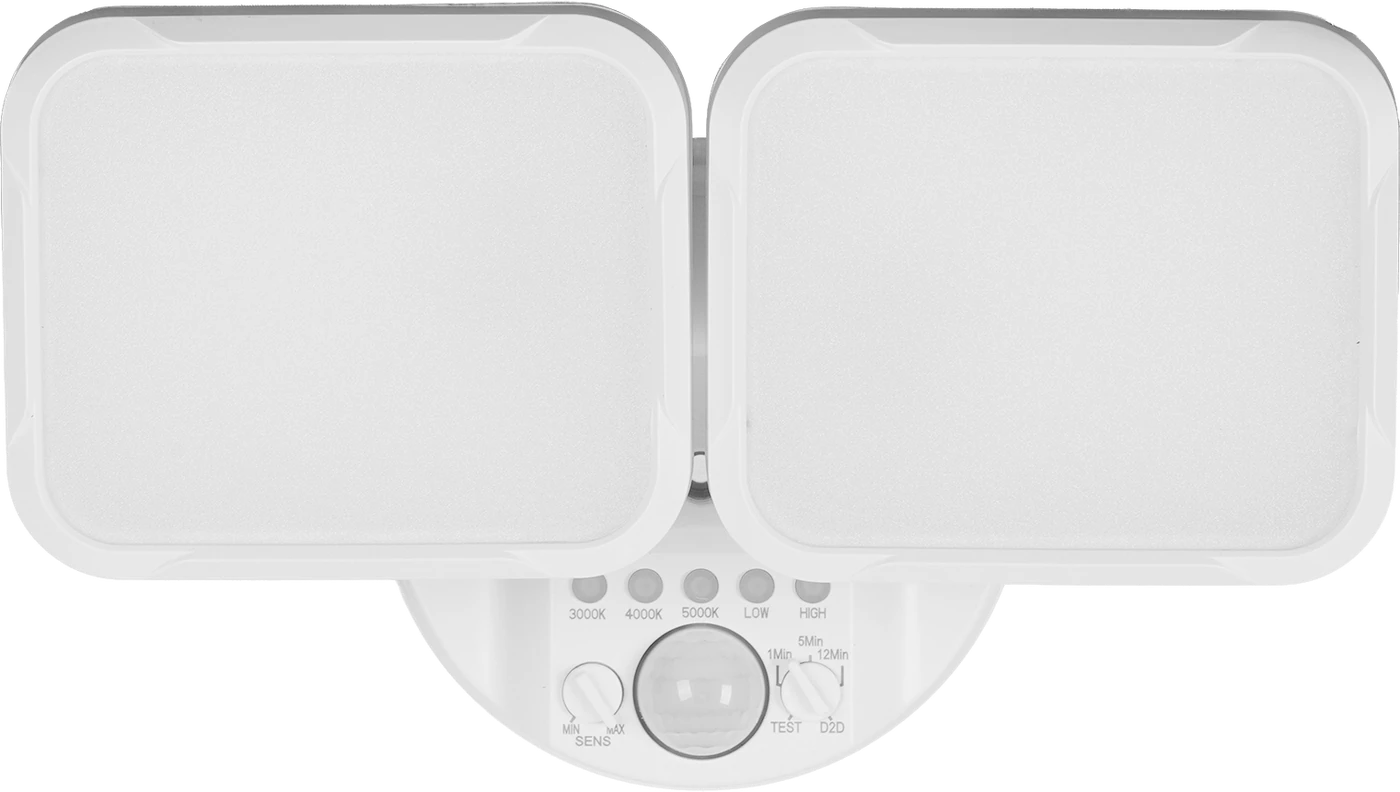
- Dual-head motion security flood light, white (Z-3SH-MA-WH): two adjustable heads; 3,000 lm.
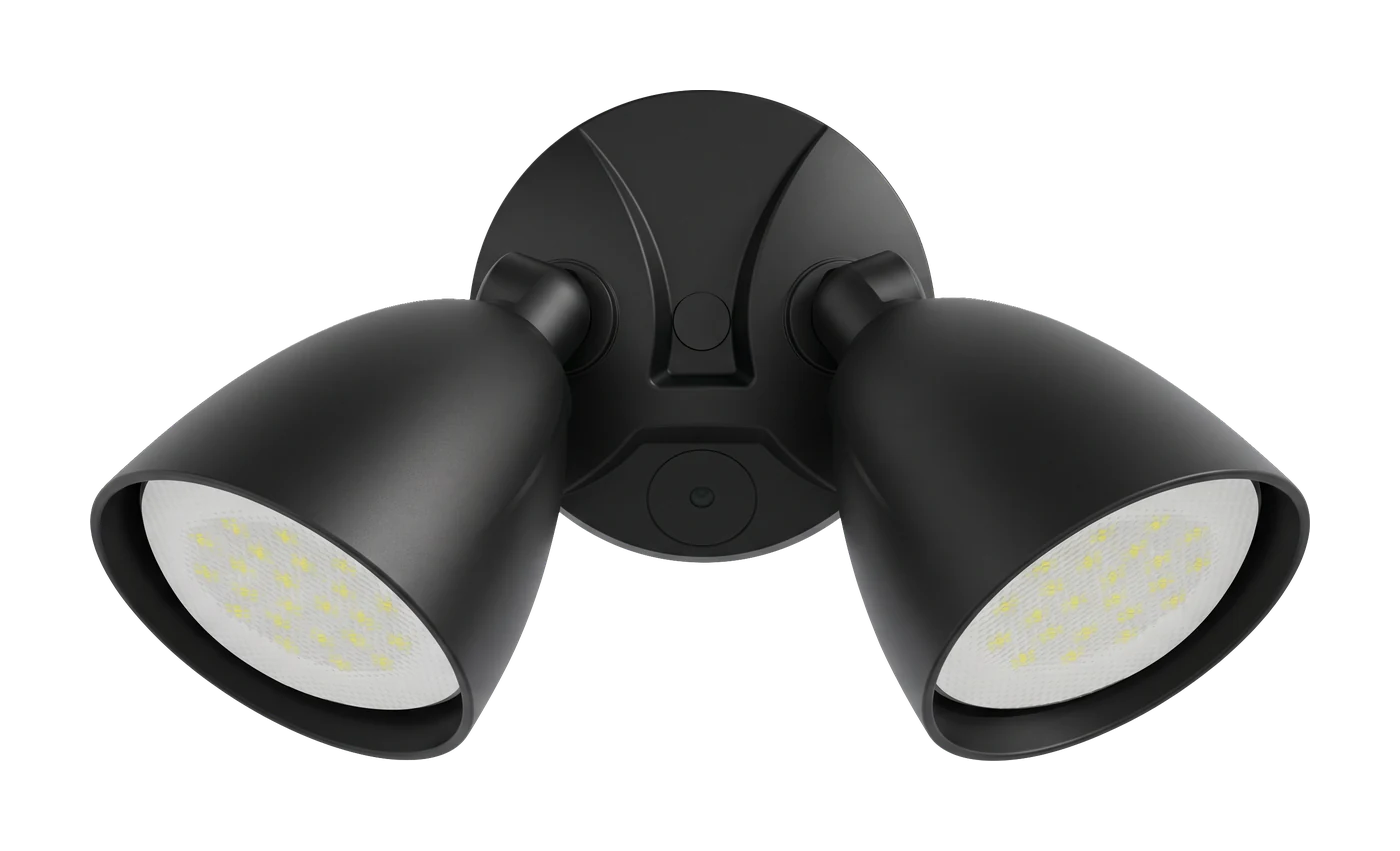
- Dusk-to-dawn twin security light, black (Z-KOP-15D-BK): two adjustable heads; 1,500 lm, 15 W.
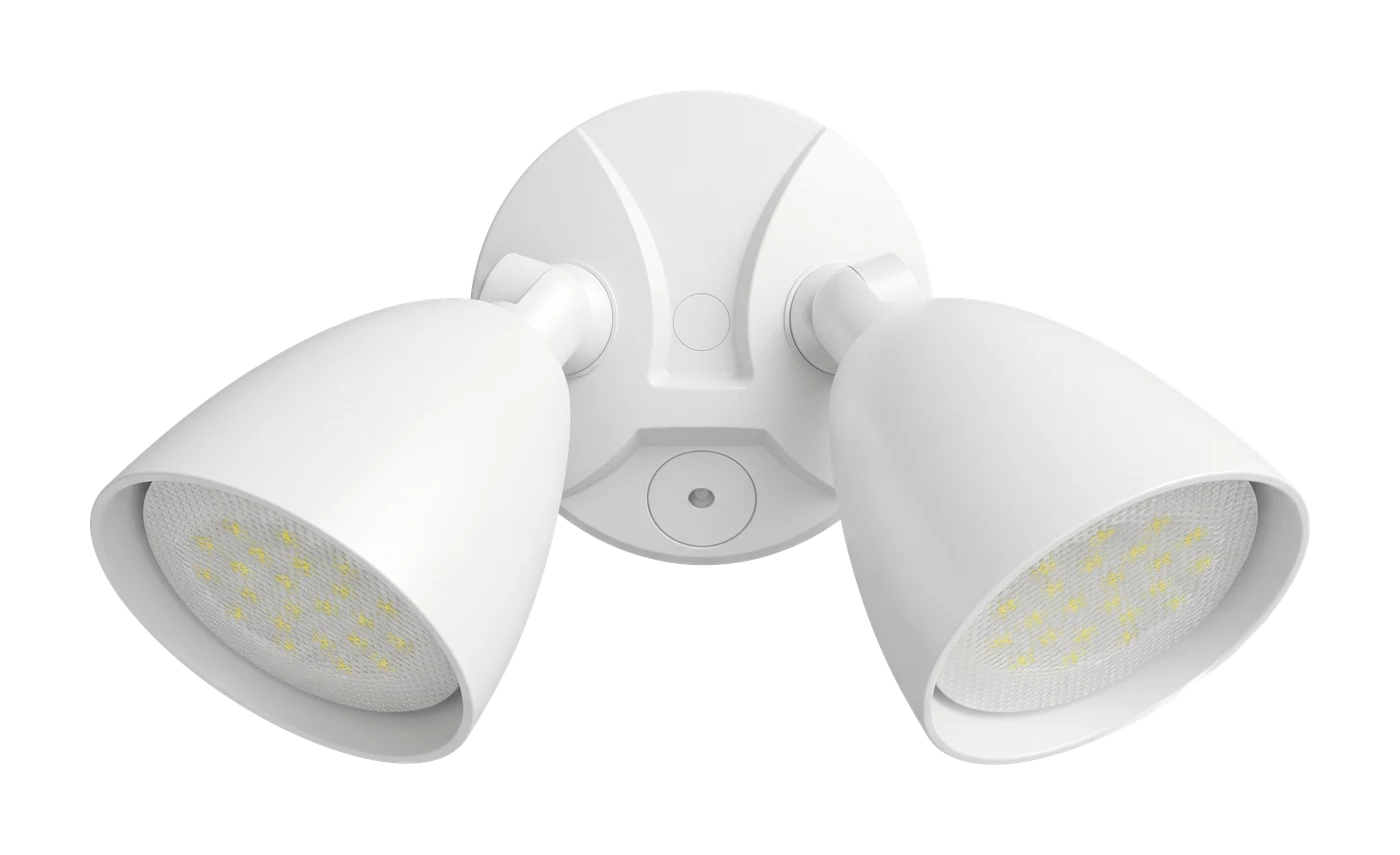
- Dusk-to-dawn twin security light, white (Z-KOP-15D-WH): two adjustable heads; 1,500 lm.
Jelly jar, wall pack and area light are different housing styles. The style won’t tell you how much area a light covers, so compare the listed output and where each one throws its light.
Motion sensor security lights
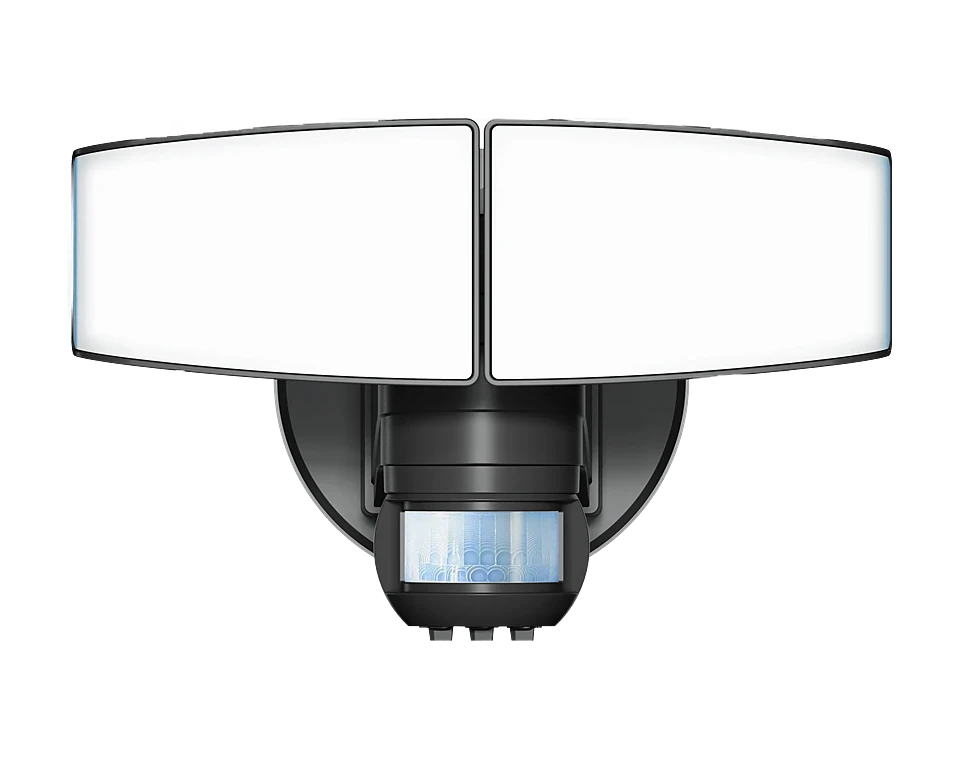
- 2-head motion security light (Z-S-2500-BZ): two adjustable heads; motion sensor, 180° and up to 39 ft; cRI 80; 5000K daylight.
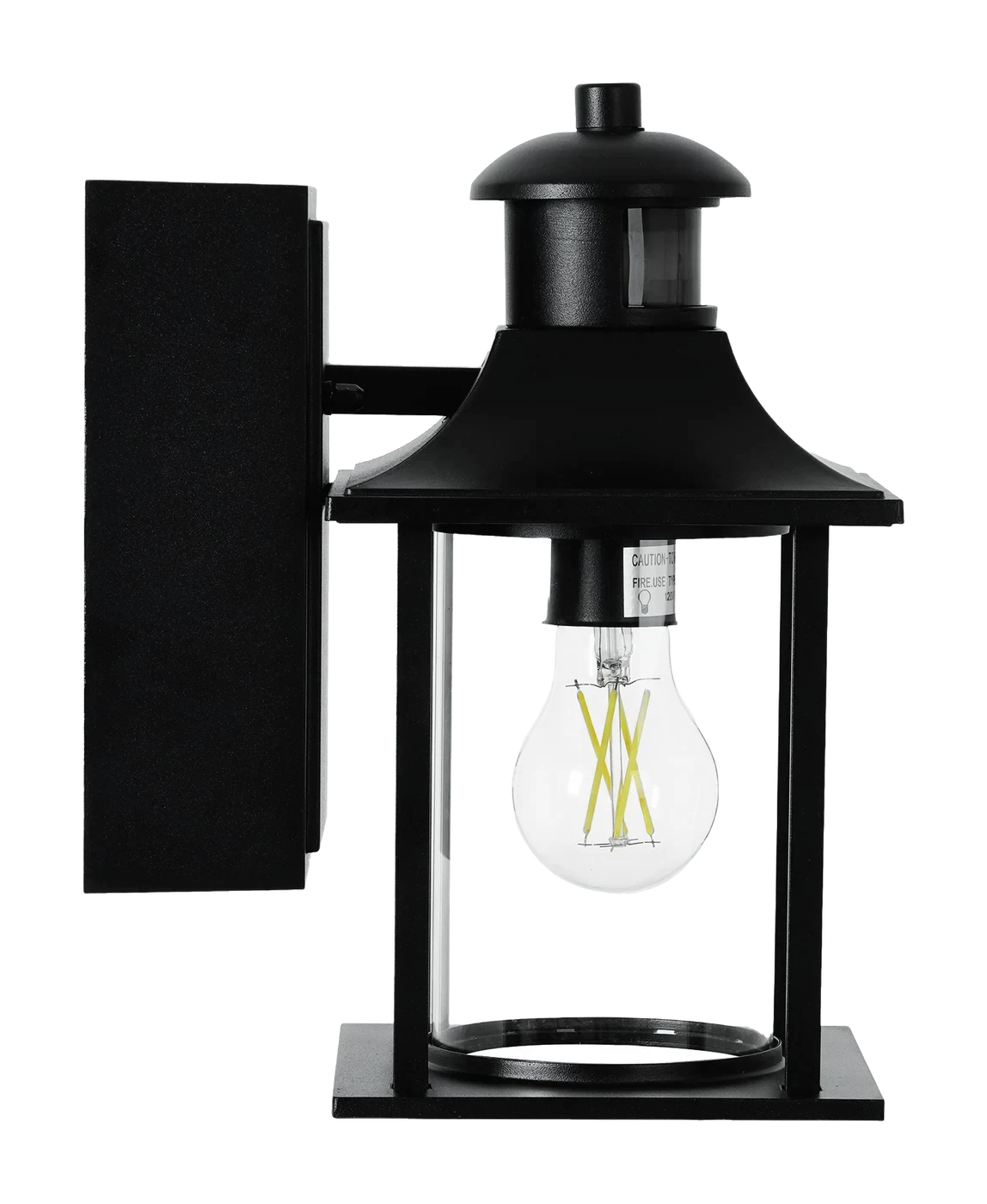
- Motion-sensor outdoor wall lantern (ZWL0431WDSEGFBK).
- Dual-head motion security flood light, black (Z-3SH-MA-BLK): two adjustable heads.
- Dual-head motion security flood light, white (Z-3SH-MA-WH): two adjustable heads.
Inside the garage, the 3-panel garage light (Motion version available)motion-activated 3-panel garage light (motion sensor up to 26 ft) uses the same idea. See garage & shop lights.
Which is the best security light?
The one whose control matches the spot. Light that should be there whenever it is dark, such as a door or a yard, suits dusk-to-dawn. Light that should come on when someone arrives, such as a driveway or a side door, suits a motion sensor. Many homes use both: dusk-to-dawn by the door, motion over the drive. If you want both in one fixture, Z-3SH-MA-BLK and Z-3SH-MA-WH have motion sensing and a dusk-to-dawn mode; the instructions explain the settings.
How a photocell works
A photocell is a small light sensor. When the light reaching it drops low enough, it switches the lamp on; when daylight comes back, it switches it off. It reacts to how dark it actually is, not to the clock, so it follows the seasons on its own with nothing to reset.
Because it reacts to the light at the sensor, where you mount it matters. Under a deep porch roof the sensor sees dusk earlier than the open yard does, so the light may come on early. A streetlight, a window or another fixture shining on the sensor can keep it from switching on at all, or make it cycle on and off. The instructions tell you how to position and adjust it. How sensitive a Zone model is, and any delay it has, only comes from that model’s own listing.
How a motion sensor works
A motion sensor watches a zone in front of the fixture and switches the lamp on when something moves in it. Most outdoor motion lights use a passive infrared (PIR) sensor that picks up body heat moving across its view. The listed detection range is how far the sensor can see; it is not how far the light reaches. You want the sensor zone pointed at the path people use and the lamp aimed at the spot that needs light.
Most motion lights also have a timer that keeps the lamp on for a while after the movement stops, and many only sense at night so they don’t switch on in daylight. Those features vary by model. Check the listed modes before assuming a light stays off during the day, can be left on all the time or lets you adjust the timer.
Recommended Zone lights
Dusk-to-dawn wall pack
Comes on at dusk and off at dawn by itself, so the wall it is on is never left dark.
12 ft 10-light solar mushroom string light
Evening light for a deck, patio or porch.
Lanty dusk-to-dawn matte black outdoor wall light
A light for the porch, front door or garage door.
Dusk-to-dawn jelly jar security light, black
Comes on at dusk and off at dawn by itself, for a door, porch or garage wall.
Dusk-to-dawn jelly jar security light, white
Comes on at dusk and off at dawn by itself, for a door, porch or garage wall.
Dusk-to-dawn area light
Comes on at dusk and off at dawn by itself, so a driveway or yard is never left dark.
Dual-head motion security flood light, black
Switches on when someone walks up the drive or to the door.
Dual-head motion security flood light, white
Switches on when someone walks up the drive or to the door.
Dusk-to-dawn twin security light, black
Comes on at dusk and off at dawn by itself, with two heads you aim at the drive or yard.
Dusk-to-dawn twin security light, white
Comes on at dusk and off at dawn by itself, with two heads you aim at the drive or yard.
2-head motion security light
Switches on when someone walks up the drive or to the door.
Motion-sensor outdoor wall lantern
A porch or door light that switches on when someone walks up.