

Zone · Wire connectors · Size chart
Wire nut size and colour chart
Updated
Before wiring, turn off power at the breaker; follow local code; use a licensed electrician if unsure.
Zone Industry Corp
Zone wire nut size and combination chart
Generated
zoneledlighting.com
Combinations as printed on each Zone box. Always follow the instructions on the package.
| Colour | Part | Type | Wire range | UL standard |
|---|---|---|---|---|
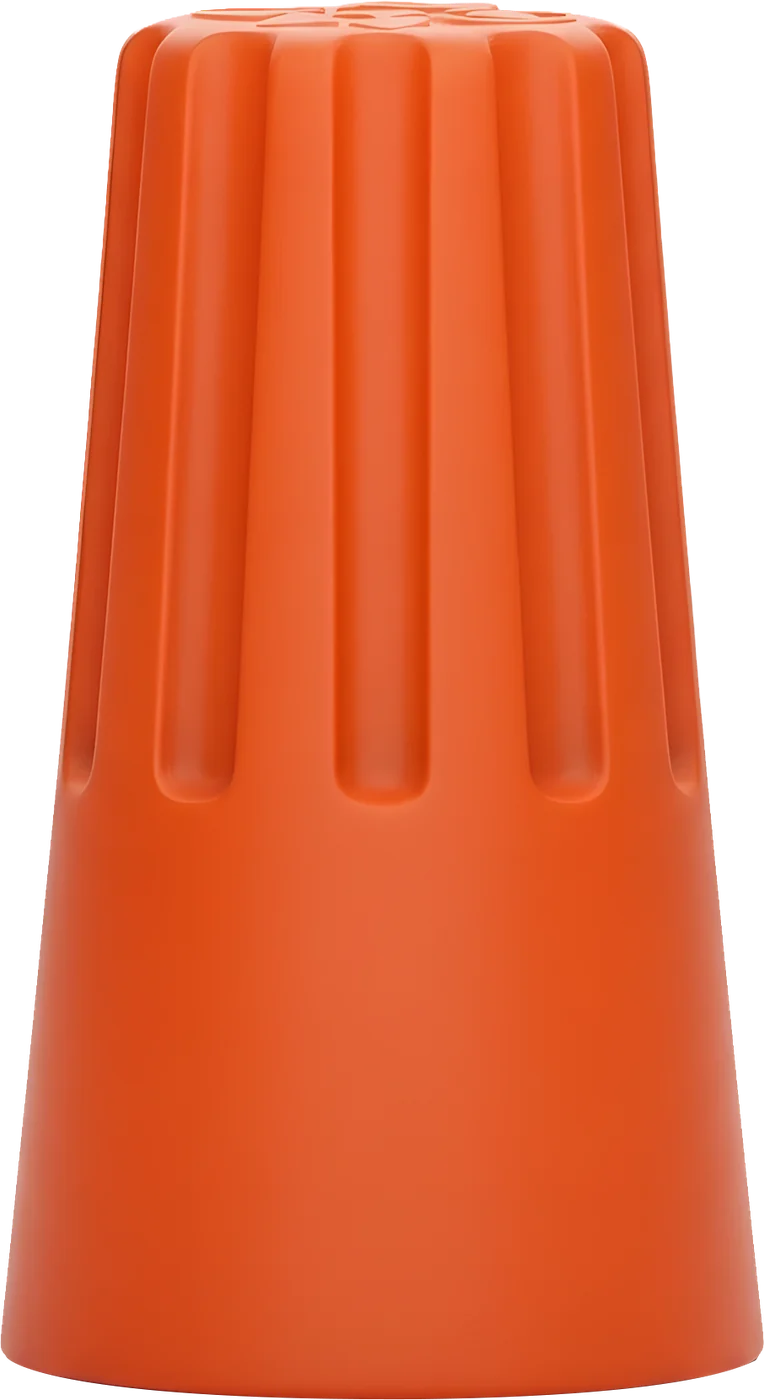
| Orange | P3 | Standard | 22–14 AWG | UL 486C |
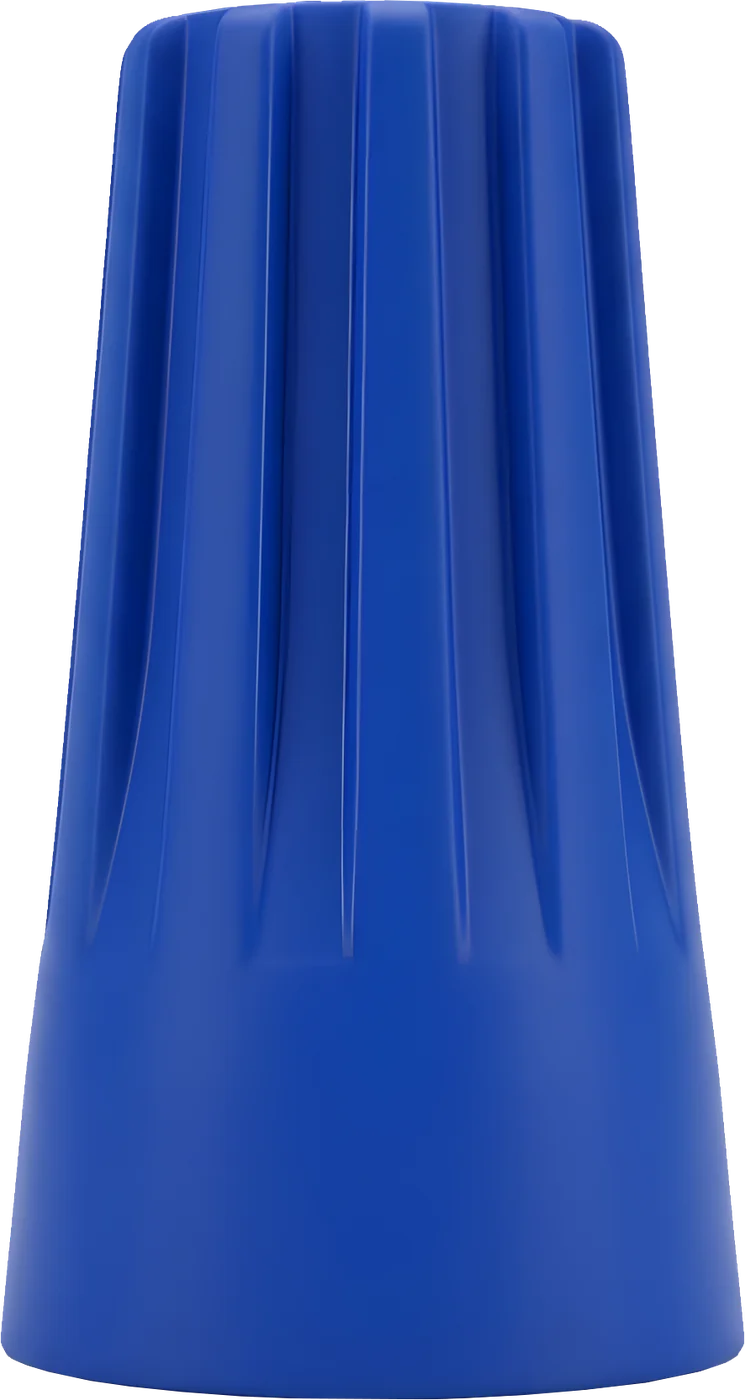
| Blue | P2 | Compact, low profile | 22–14 AWG | UL 486C |
| Red | P6 | Standard | 22–10 AWG | UL 486C |
| — | R3 | Waterproof, silicone-filled | 20–10 AWG | UL 486G |
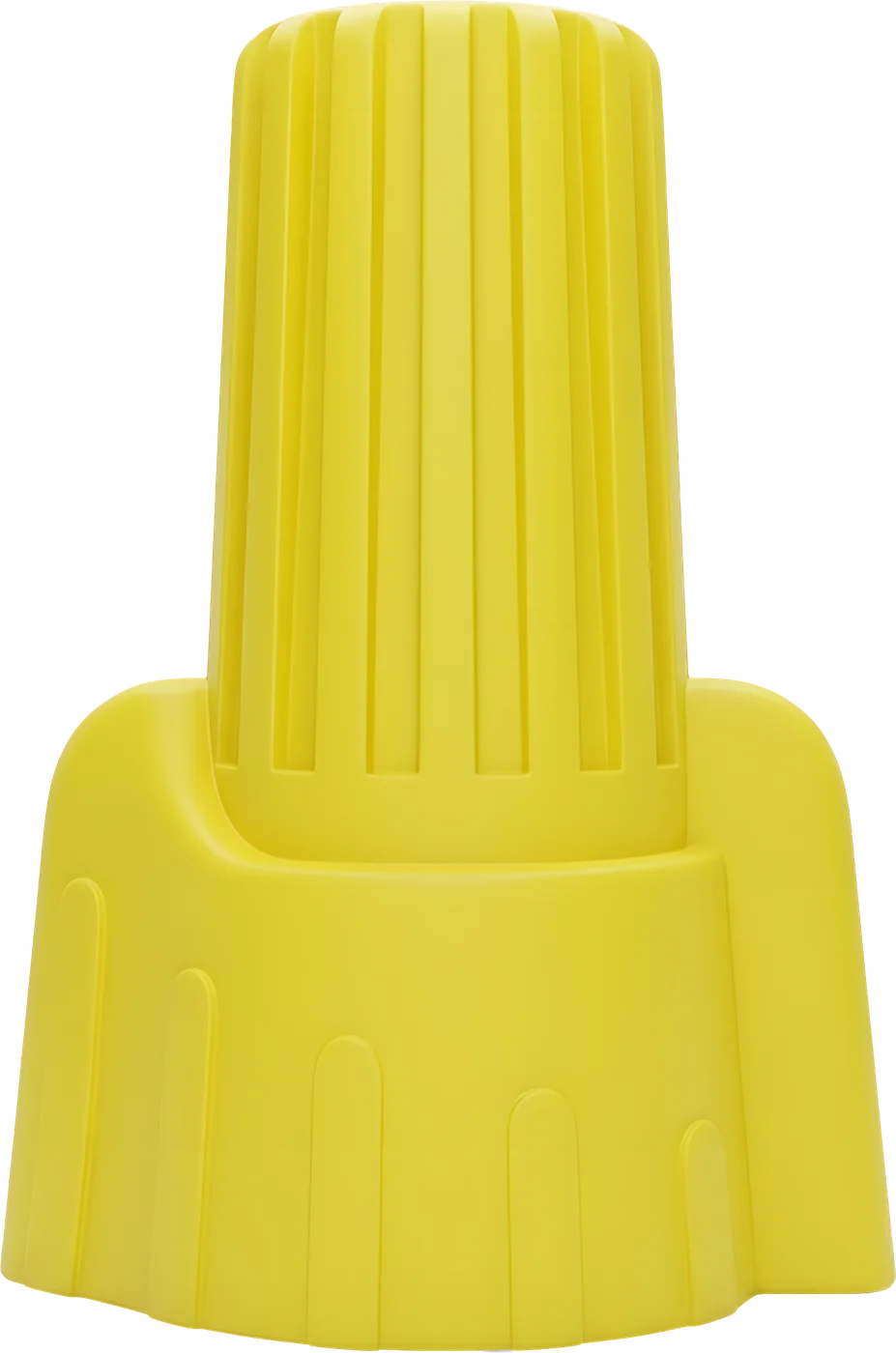
| Yellow | P11V | Winged | 18–10 AWG | UL 486C |
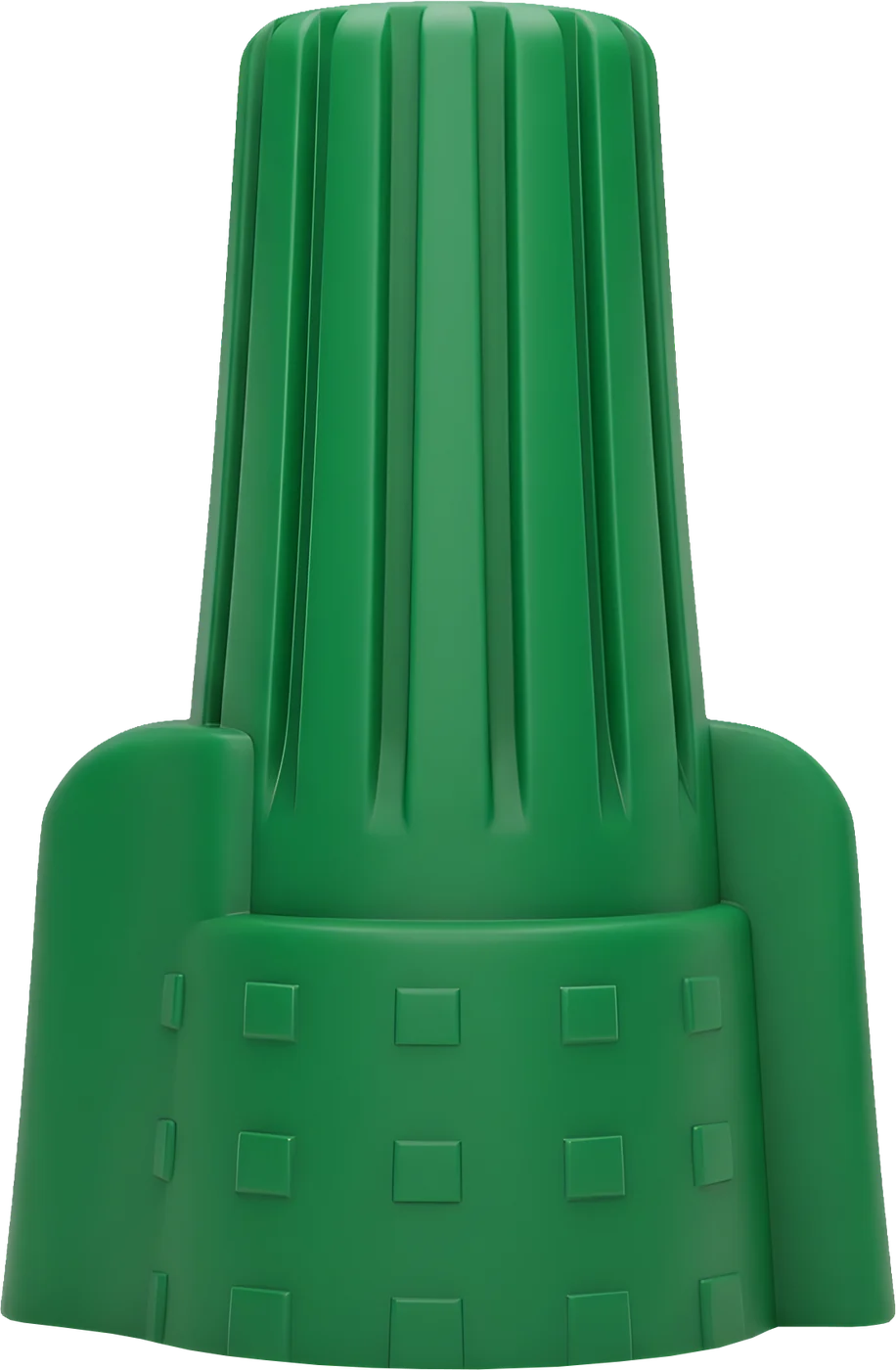
| Green | P99 | Grounding | 14–10 AWG | UL 467 |
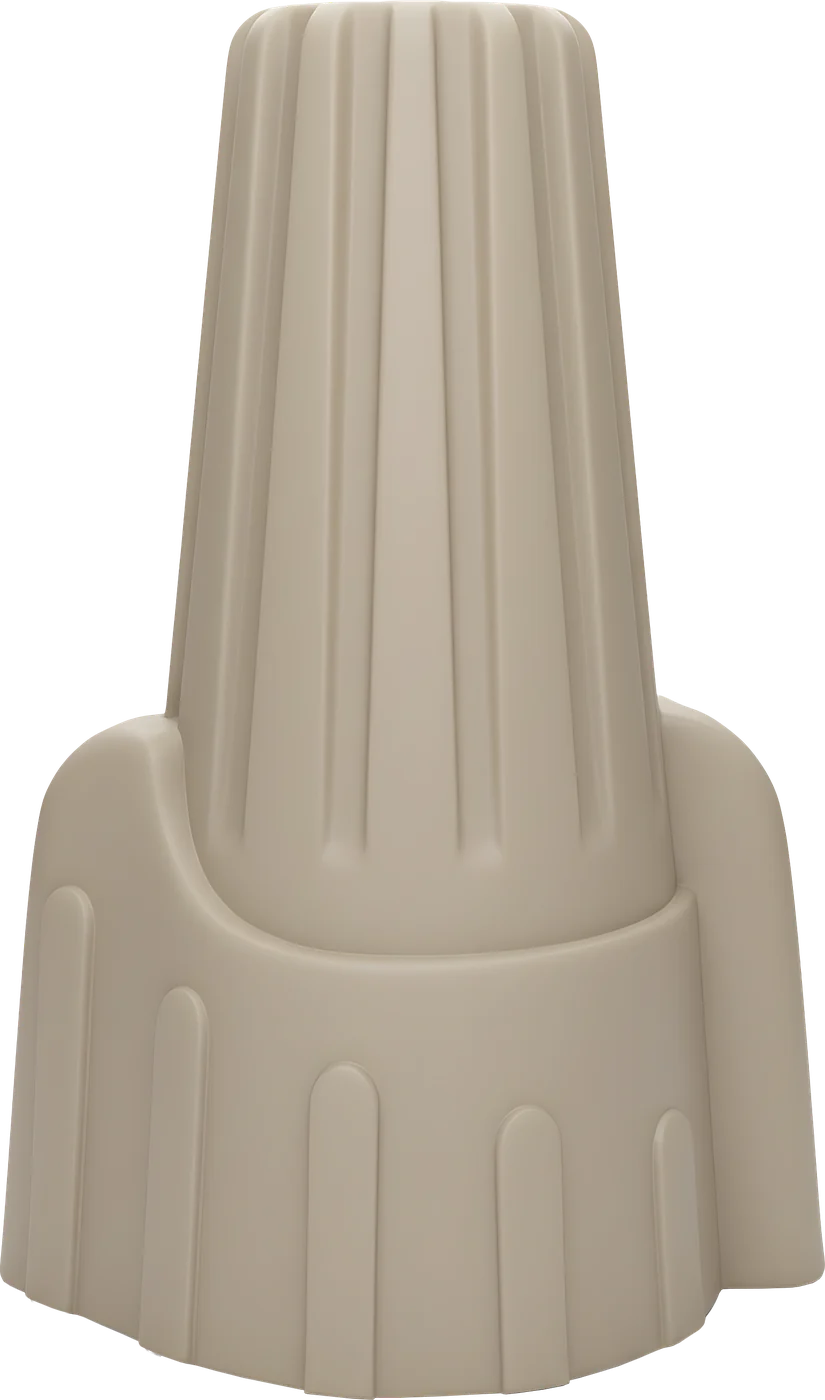
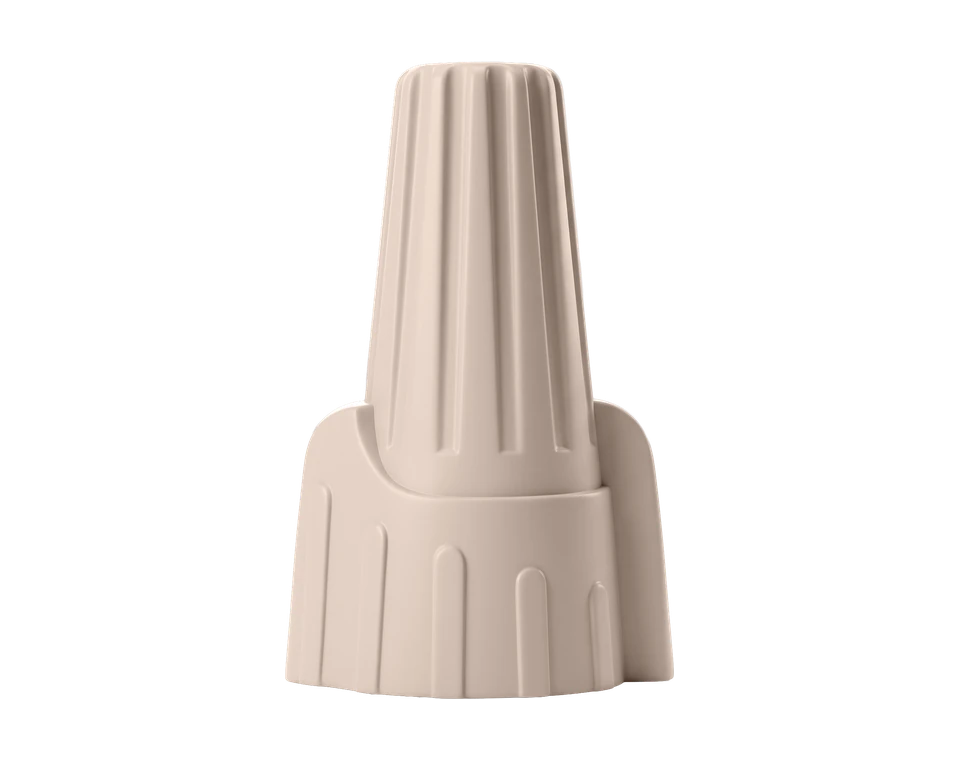
| Tan | P12C | Winged | 22–8 AWG | UL 486C |
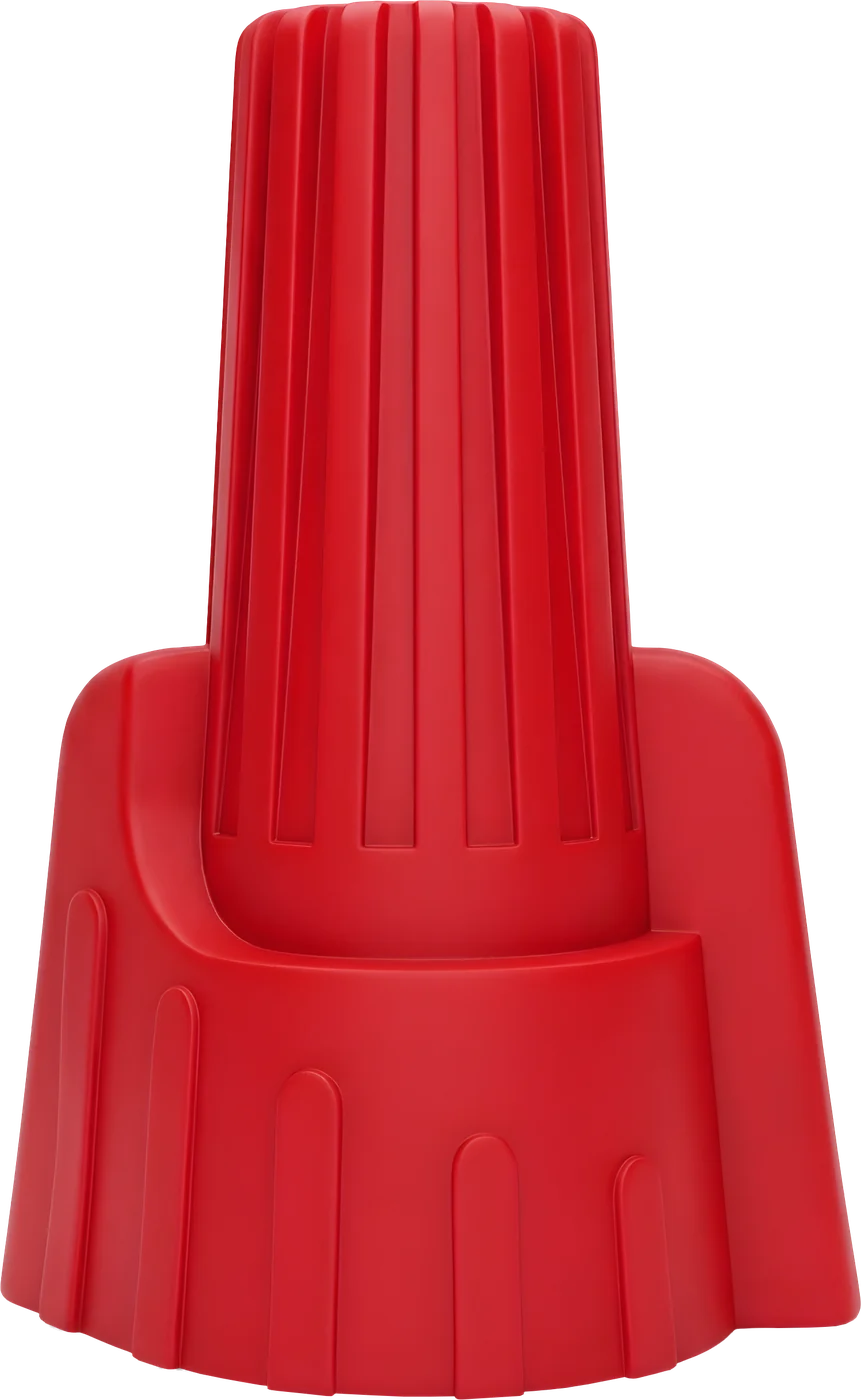
| Red | P13 | Winged | 22–8 AWG | UL 486C |
| — | R6 | Waterproof, silicone-filled | 20–8 AWG | UL 486G |
P3 Solid and/or stranded
600 V max
- 1 or 2 #14
- 2 or 3 #16
- 2 to 4 #18
- 1 #14 w/1 #16
- 1 #14 w/1 #16 w/1 #18
- 1 #14 w/1 or 2 #18
- 1 #14 w/1 to 3 #20 or #22
- 1 #16 w/1 or 2 #18
- 1 #16 w/1 #18 w/1 #22
- 1 #16 w/1 to 3 #20 or #22
- 1 or 2 #16 w/1 #20 w/1 #22
- 2 #16 w/1 #18
- 2 #16 w/1 or 2 #20
- 2 #16 w/1 to 3 #22
- 1 #18 w/2 to 4 #20
- 1 #18 w/3 or 4 #22
- 1 or 2 #18 w/1 #20 w/1 #22
- 2 #18 w/1 or 2 #20 or #22
- 3 #18 w/1 #20 or #22
300 V max
- 4 #16
- 5 #18
- 3 to 5 #20
- 5 #22 Sol
- 5 #22 Str
- 3 #22 Sol w/2 #22 Str
- 1 #14 w/1 #16 w/1 #18
- 1 #14 w/2 #16
- 1 #14 w/3 #18
- 1 #14 w/4 #20
- 2 #14 w/1 #18
- 2 #14 w/1 to 3 #20 or #22
- 1 #16 w/4 #18
- 2 #16 w/2 or 3 #18
- 2 #16 w/3 #20
- 3 #16 w/1 #18
- 3 #16 w/1 or 2 #20 or #22
- 4 #16 w/1 #20 or #22
- 1 #18 w/1 #20
- 1 #18 w/5 #22
- 2 #18 w/3 #22
- 3 #18 w/2 #20 or #22
- 4 #18 w/1 #20 or #22
- 1 #20 w/4 #22
- 2 #20 w/2 or 3 #22
- 3 #20 w/1 or 2 #22
- 4 #20 w/1 #22
P2 Solid and/or stranded
- 1 #14
- 1 to 3 #16
- 1 to 4 #18
- 3 to 5 #20
- 2 #22
- 1 #14 w/1 #16
- 1 #14 w/1 or 2 #18
- 1 #14 w/1 to 3 #20 or #22
- 1 #16 w/1 to 3 #18
- 1 #16 w/1 #18 w/1 #20
- 1 #16 w/1 to 4 #20 or #22
- 1 #16 w/1 #22 w/1 #18 or #20
- 2 #16 w/1 #18
- 2 #16 w/1 or 2 #20
- 2 #16 w/1 #20 w/1 #22
- 2 #16 w/1 to 3 #22
- 1 #18 w/1 to 4 #20 or #22
- 1 or 2 #18 w/1 #20 w/1 #22
- 2 #18 w/1 to 3 #20 or #22
- 3 #18 w/1 or 2 #20 or #22
- 4 #18 w/1 #22
- 3 #20 w/1 or 2 #22
- 4 #20 w/1 #22
P6 Solid and/or stranded
600 V max
- 2 #10 Sol
- 2 to 4 #12
- 2 to 6 #14
- 3 to 9 #18
- 1 #10 Sol w/1 #10 Str
- 1 #10 w/1 to 3 #12 or #14
- 2 #10 w/1 to 3 #16 or #18
- 2 #10 Sol w/2 #12 Sol
- 2 #10 Sol w/2 #12 Str
- 2 #10 w/1 or 2 #14
- 1 #12 w/1 to 5 #14
- 1 #12 w/1 to 4 #16 or #18
- 1 #12 w/1 #20
- 2 #12 w/1 to 4 #14
- 2 #12 w/1 to 3 #16 or #18
- 3 #12 w/1 or 2 #16 or #18
- 3 #12 w/2 or 3 #14
- 4 #12 w/1 #14, #16 or #18
- 2 #14 w/1 to 4 #16 or #18
- 3 #14 w/1 to 3 #16 or #18
- 4 #14 w/1 or 2 #16
- 4 #14 w/1 to 3 #18
- 5 #14 w/1 #16 or #18
300 V max
- 1 #10
- 2 #10 Str
- 4 to 6 #16
- 1 #10 w/1 #12 w/3 or 4 #18
- 1 #10 w/1 #14 w/4 #18
- 1 #10 w/1 #14 w/1 to 4 #20
- 1 #10 w/1 #14 w/1 to 4 #22
- 1 #10 w/1 or 2 #20 w/1 to 4 #22
- 1 #12 w/2 #14 w/3 #16
- 1 #12 w/1 #16 w/1 to 4 #20
- 1 #12 w/1 #16 w/1 to 4 #22
- 1 #12 w/1 to 4 #20
- 2 #12 w/1 #14 w/2 or 3 #16
- 2 #12 w/2 #14 w/1 #16
- 2 #12 w/1 #16 w/4 #18
- 2 #12 w/6 #16
- 3 #12 w/1 #14
- 3 #12 w/1 #16 w/1 #20
- 3 #12 w/3 #18
- 1 #14 w/1 #18 w/4 #22
- 2 #14 w/1 #16 w/1 to 4 #20
- 2 #14 w/1 #16 w/1 to 4 #22
- 3 #14 w/1 #16 w/1 to 3 #18
- 1 #16 w/4 #18
- 2 #16 w/3 or 4 #18
- 3 #16 w/1 or 2 #20 w/1 to 3 #22
- 4 #16 w/1 #18 or #20
- 4, 5 or 6 #16 w/1 #22
- 4 or 5 #16 w/2 #22
R3 Solid and/or stranded
- 1 to 3 #12
- 2 to 3 #14
- 2 to 4 #16
- 2 to 4 #18
- 2 #20
- 1 #10 w/1 #12
- 1 #10 w/1 #12 w/1 #18
- 1 #10 w/1 or 2 #14
- 1 #10 w/1 #14 w/1 #16
- 1 #10 w/1 #14 w/1 or 2 #18
- 1 #10 w/1 #14 w/1 to 3 #20
- 1 #10 w/1 to 3 #16
- 1 #10 w/1 or 2 #18
- 1 #12 w/1 or 2 #14
- 1 #12 w/1 #14 w/1 to 3 #16
- 1 #12 w/1 #14 w/1 to 3 #18
- 1 #12 w/1 #14 w/1 to 4 #20
- 1 #12 w/2 #14 w/1 #16
- 1 #12 w/1 #16 w/1 to 4 #18
- 1 #12 w/1 #16 w/1 to 4 #20
- 1 #12 w/2 or 3 #16
- 1 #12 w/3 or 4 #18
- 2 #12 w/1 #14
- 2 #12 w/1 #14 w/1 #18
- 2 #12 w/1 #14 w/1 or 2 #20
- 2 #12 w/1 #16
- 2 #12 w/1 #16 w/1 or 2 #18
- 2 #12 w/1 #16 w/1 to 3 #20
- 2 #12 w/1 or 2 #18
- 1 #14 w/1 to 3 #16
- 1 #14 w/1 #16 w/1 to 3 #18
- 1 #14 w/1 #16 w/1 to 4 #20
- 1 #14 w/1 to 4 #18
- 2 #14 w/1 or 2 #16
- 2 #14 w/1 #16 w/1 to 3 #18
- 2 #14 w/1 #16 w/1 to 3 #20
- 2 #14 w/1 #18 w/1 to 3 #20
- 3 #14 w/1 #16 w/1 or 2 #18
- 3 #14 w/1 #16 w/1 or 2 #20
- 3 #14 w/1 #18 w/1 or 2 #20
- 1 #18 w/1 to 3 #14
- 1 #18 w/1 to 3 #16
- 2 #18 w/1 or 2 #14
- 2 #18 w/1 to 3 #16
P11V Solid and/or stranded
- 1 #10
- 1 to 3 #12
- 2 or 3 #14
- 2 to 4 #16
- 2 to 4 #18
- 1 #10 w/1 #12
- 1 #10 w/1 or 2 #14
- 1 #10 w/1 or 2 #16
- 1 #10 w/1 to 3 #18
- 1 #12 w/1 or 2 #14
- 1 #12 w/1 to 3 #16
- 1 #12 w/1 to 4 #18
- 1 #12 Sol w/5 #18 Sol
- 2 #12 w/1 or 2 #18
- 2 #12 w/1 #14
- 2 #12 w/1 #16
- 1 #14 w/1 to 4 #16
- 1 #14 w/1 to 5 #18
- 2 #14 w/1 to 3 #16
- 2 #14 w/1 to 3 #18
- 3 #14 w/1 #16
- 3 #14 w/1 or 2 #18
- 1 #16 w/1 to 5 #18
- 2 #16 w/1 to 4 #18
- 3 #16 w/1 to 3 #18
- 4 #16 w/1 or 2 #18
P99 Solid copper · Grounding wires only
- 2 to 5 #12
- 2 to 4 #14
- 1 #10 w/1 or 2 #12
- 1 #10 w/1 to 3 #14
- 1 #12 w/1 to 3 #14
- 2 #12 w/1 to 3 #14
- 3 #12 w/1 #14
P12C Solid and/or stranded
- 1 to 3 #10
- 1 to 4 #12
- 1 to 5 #14
- 2 to 6 #20, #18 or #16
- 3 to 6 #22
- 1 #10 w/1 #8
- 1 #12 w/1 or 2 #10
- 1 #12 w/1 #8
- 2 #12 w/1 #10
- 1 #14 w/1 or 2 #12 w/1 #10
- 1 #14 w/1 to 3 #12
- 1 #14 w/1 or 2 #10
- 2 #14 w/1 #12 w/1 #10
- 2 #14 w/1 or 2 #12
- 2 #14 w/1 or 2 #10
- 2 #14 w/1 #8
- 3 #14 w/1 #12 or #10
- 3 #14 w/2 #12
- 4 #14 w/1 #12 or #10
- 1 #16 w/1 or 2 #14 w/1 #12
- 1 #16 w/1 or 2 #14 w/1 #10
- 1 #16 w/1 to 4 #14 or #12
- 1 #16 w/1 or 2 #10
- 1 #16 w/1 #12 w/1 #10
- 2 #16 w/1 #14 w/1 or 2 #12
- 2 #16 w/2 #14 w/1 #12
- 2 #16 w/1 #12 w/1 #10
- 3 #16 w/1 #14 w/1 #12 or #10
- 4 #16 w/1 #12 w/1 #10
- 2 #16 w/1 to 4 #14
- 2 #16 w/1 to 3 #12
- 2 #16 w/1 or 2 #10
- 3 #16 w/1 to 3 #14
- 3 #16 w/1 or 2 #12 or #10
- 4 #16 w/1 or 2 #14 or #12
- 4 #16 w/1 #10
- 5 #16 w/1 #14
- 5 #16 w/1 #10
- 1 #18 w/1 to 4 #16, #14 or #12
- 1 #18 w/1 or 2 #10
- 2 #18 w/1 to 4 #16 or #14
- 2 #18 w/1 or 2 #10
- 3 #18 w/1 to 3 #16, #14 or #12
- 3 #18 w/1 or 2 #10
- 4 #18 w/1 or 2 #16, #14 or #12
- 4 #18 w/1 #10
- 5 #18 w/1 #16 or #14
- 1 #20 w/1 to 4 #18, #16 or #14
- 2 #20 w/1 to 3 #18, #16 or #14
- 3 #20 w/1 or 2 #18, #16 or #14
- 4 #20 w/1 or 2 #18, #16 or #14
- 1 #22 w/1 to 5 #20, #18 or #16
- 2 #22 w/1 to 4 #20, #18 or #16
- 3 #22 w/1 to 3 #20, #18 or #16
- 4 #22 w/1 or 2 #20, #18 or #16
- 1 #22 w/1 #20 w/1 or 2 #16
- 1 #22 w/1 #18 w/1 #16
P13 Solid and/or stranded
- 1 #6
- 1 or 2 #8
- 1 to 4 #10
- 1 to 5 #12
- 1 to 6 #14 or #16
- 2 to 6 #18
- 3 to 6 #20
- 4 to 6 #22
- 1 #6 w/1 #10
- 1 #6 w/1 #10 w/1 #14
- 1 #6 w/1 or 2 #12
- 1 #6 w/1 #12 w/1 or 2 #14
- 1 #6 w/2 #12 w/1 #18
- 1 #6 w/2 #14 w/1 or 2 #16
- 1 #8 w/1 or 2 #10
- 1 #8 w/1 #10 w/1 or 2 #12 or #14
- 1 #8 w/2 #10 w/1 #14
- 1 #8 w/1 to 3 #12
- 1 #8 w/2 #12 w/1 or 2 #14
- 1 #8 w/1 to 4 #14
- 1 #8 w/1 to 5 #16
- 1 #10 w/1 to 4 #12
- 1 #10 w/1 #12 w/1 to 4 #14, #16 or #18
- 1 #10 w/2 #12 w/1 or 2 #14
- 1 #10 w/2 #12 w/1 to 3 #16 or #18
- 1 #10 w/3 #12 w/1 #14
- 1 #10 w/1 to 5 #14, #16 or #18
- 1 #10 w/1 #14 w/1 to 4 #16 or #18
- 1 #10 w/2 #14 w/1 to 3 #16
- 1 #10 w/1 #16 w/1 to 4 #18
- 2 #10 w/1 #12 w/1 or 2 #14
- 2 #10 w/1 #12 w/1 to 3 #16
- 2 #10 w/1 to 3 #12 or #14
- 2 #10 w/2 #12 w/1 #14
- 2 #10 w/2 #12 w/1 or 2 #16 or #18
- 2 #10 w/1 to 4 #16 or #18
- 2 #10 w/2 #14 w/1 or 2 #16
- 2 #10 w/1 #16 w/1 to 3 #18
- 3 #10 w/1 #12
- 3 #10 w/1 #12 w/1 #16 or #18
- 3 #10 w/1 or 2 #14
- 3 #10 w/1 #14 w/1 #16
- 3 #10 w/1 #14 w/1 or 2 #18
- 3 #10 w/1 to 3 #16 or #18
- 3 #10 w/1 #16 w/1 or 2 #18
- 1 #12 w/1 to 5 #14, #16 or #18
- 1 #12 w/1 #14 w/1 to 3 #18
- 1 #12 w/1 #16 w/1 to 3 #18
- 1 or 2 #12 w/1 #14 w/1 to 3 #16
- 1 or 2 #12 w/2 #14 w/1 or 2 #16
- 2 #12 w/1 to 4 #14, #16 or #18
- 2 #12 w/1 #14 or #16 w/1 to 3 #18
- 3 #12 w/1 to 3 #14, #16 or #18
- 3 #12 w/1 #14 w/1 or 2 #16 or #18
- 3 #12 w/2 #14 w/1 #16
- 3 #12 w/1 #16 w/1 or 2 #18
- 4 #12 w/1 #14
- 4 #12 w/1 #14 w/1 #16 or #18
- 4 #12 w/1 or 2 #16
- 4 #12 w/1 #16 w/1 #18
- 1 #14 w/1 to 5 #16 or #18
- 1 #14 w/1 #16 w/1 to 3 #18
- 1 #14 w/1 to 5 #20 or #22
- 2 #14 w/1 to 4 #16, #18, #20 or #22
- 2 #14 w/1 #16 w/1 to 3 #18
- 3 #14 w/1 to 3 #16, #18, #20 or #22
- 3 #14 w/1 #16 w/1 or 2 #18
- 4 #14 w/1 or 2 #16, #18, #20 or #22
- 4 #14 w/1 #16 w/1 #18
- 5 #14 w/1 #16 or #18
- 1 #16 w/1 to 5 #18, #20 or #22
- 1 #16 w/1 #18 w/1 to 3 #20 or #22
- 1 or 2 #16 w/1 #20 w/1 or 2 #22
- 1 #16 w/2 #20 w/1 or 2 #22
- 2 #16 w/1 to 4 #18, #20 or #22
- 2 #16 w/1 #18 w/1 to 3 #20 or #22
- 2 #16 w/2 #20 w/1 or 2 #22
- 3 #16 w/1 to 3 #18, #20 or #22
- 3 #16 w/1 #18 w/1 or 2 #20 or #22
- 3 #16 w/1 #20 w/1 or 2 #22
- 4 #16 w/1 or 2 #18, #20 or #22
- 4 #16 w/1 #18 w/1 #20 or #22
- 4 #16 w/1 #20 w/1 #22
- 5 #16 w/1 #18, #20 or #22
- 1 #18 w/1 to 5 #20 or #22
- 1 to 3 #18 w/1 #20 w/1 or 2 #22
- 1 to 3 #18 w/2 #20 w/1 #22
- 2 #18 w/1 to 4 #20 or #22
- 3 #18 w/1 to 3 #20 or #22
- 4 #18 w/1 or 2 #20 or #22
- 5 #18 w/1 #20 or #22
- 1 #20 w/2 to 5 #22
- 2 #20 w/1 to 4 #22
- 3 #20 w/1 to 3 #22
- 4 #20 w/1 or 2 #22
- 5 #20 w/1 #22
R6 Solid and/or stranded
- 1 or 2 #8
- 2 to 4 #10
- 2 to 4 #12
- 2 to 5 #14
- 3 to 5 #16
- 1 #10 w/1 to 3 #12
- 1 #10 w/1 #12 w/1 or 2 #14
- 1 #10 w/1 #12 w/1 to 4 #16
- 1 #10 w/1 #12 w/2 to 4 #18
- 1 #10 w/1 to 3 #14
- 1 #10 w/1 #14 w/1 to 4 #16
- 1 #10 w/1 #14 w/2 to 4 #18
- 1 #10 w/1 #14 w/2 to 4 #20
- 1 #10 w/3 #16
- 1 #10 w/1 or 2 #18
- 2 #10 w/1 #12
- 2 #10 w/1 or 2 #14
- 1 #12 w/2 to 4 #16
- 1 #12 w/3 or 4 #18
- 1 #12 w/1 #14 w/1 to 4 #16
- 1 #12 w/1 #14 w/1 to 4 #18
- 1 #12 w/1 #14 w/1 to 4 #20
- 1 #12 w/2 #14 w/1 to 3 #16
- 1 #12 w/1 #16 w/1 to 4 #18
- 1 #12 w/1 #16 w/2 to 4 #20
- 2 #12 w/2 #14
- 2 #12 w/3 #16
- 2 #14 w/2 or 3 #16
- 2 #14 w/2 to 4 #18
- 3 #14 w/1 #12
- 3 #14 w/1 or 2 #16
- 2 #12 w/1 #14 w/1 to 3 #16
- 2 #12 w/1 #14 w/1 to 3 #18
- 2 #12 w/1 #14 w/1 to 3 #20
- 2 #12 w/2 #14 w/1 #16
- 2 #12 w/1 #16 w/1 to 3 #18
- 2 #12 w/1 #16 w/1 to 3 #20
- 1 #14 w/1 #16 w/1 to 3 #18
- 1 #14 w/1 #16 w/2 to 4 #20
- 2 #14 w/1 #16 w/1 to 3 #18
- 2 #14 w/1 #16 w/1 to 3 #20
- 2 #14 w/1 #18 w/1 to 3 #20
- 3 #14 w/1 #16 w/1 or 2 #18
- 3 #14 w/1 #16 w/1 or 2 #20
- 3 #14 w/1 #18 w/1 or 2 #20
Wire nut sizes by colour
| Colour | Zone SKU | Type | Wire range | Listing | Packs |
|---|---|---|---|---|---|
| Orange | P3 | Standard | 22–14 AWG | UL 486C | 500 |
| Blue | P2 | Compact, low profile | 22–14 AWG | UL 486C | 1000 |
| Red | P6 | Standard | 22–10 AWG | UL 486C | 500 |
| — | R3 | Waterproof, silicone-filled | 20–10 AWG | UL 486G | 100, 25, 50 |
| Yellow | P11V | Winged | 18–10 AWG | UL 486C | 500, 1000, 100 |
| Green | P99 | GroundingPigtail hole | 14–10 AWG | UL 467 | 100 |
| Tan | P12C | Winged | 22–8 AWG | UL 486C | 500 |
| Red | P13 | Winged | 22–8 AWG | UL 486C | 500, 1000 |
| — | R6 | Waterproof, silicone-filled | 20–8 AWG | UL 486G | 100, 20, 50 |
Each pack size links to its Amazon listing. Wire range and listing as Zone publishes them there.
Which caps cover which wire size
The same ranges, read the other way: a dot means the wire size is inside that cap’s published range.
| Cap | 22 AWG | 20 AWG | 18 AWG | 16 AWG | 14 AWG | 12 AWG | 10 AWG | 8 AWG |
|---|---|---|---|---|---|---|---|---|
| P322–14 AWG | ● | ● | ● | ● | ● | |||
| P222–14 AWG | ● | ● | ● | ● | ● | |||
| P622–10 AWG | ● | ● | ● | ● | ● | ● | ● | |
| R320–10 AWG | ● | ● | ● | ● | ● | ● | ||
| P11V18–10 AWG | ● | ● | ● | ● | ● | |||
| P9914–10 AWG | ● | ● | ● | |||||
| P12C22–8 AWG | ● | ● | ● | ● | ● | ● | ● | ● |
| P1322–8 AWG | ● | ● | ● | ● | ● | ● | ● | ● |
| R620–8 AWG | ● | ● | ● | ● | ● | ● | ● |
Common wire mixes
Open an exact answer based on the printed box charts:
- What wire nut fits two 14 AWG wires?
- What wire nut fits three 14 AWG wires?
- What wire nut fits four 14 AWG wires?
- What wire nut fits two 12 AWG wires?
- What wire nut fits three 12 AWG wires?
- What wire nut fits four 12 AWG wires?
- What wire nut fits one 12 AWG wire and one 14 AWG wire?
- What wire nut fits two 12 AWG wires and one 14 AWG wire?
- What wire nut fits one 14 AWG wire and one 18 AWG wire?
- What wire nut fits one 12 AWG wire and one 18 AWG wire?
- What wire nut fits two 14 AWG wires and one 18 AWG wire?
- What wire nut fits two 10 AWG wires?
- What wire nut fits one 10 AWG wire and one 12 AWG wire?
- What wire nut fits two 18 AWG wires?
- What wire nut fits three 12 AWG ground wires?
- What wire nut fits four 14 AWG ground wires?
How to choose a wire nut size
- Find the sizes of the wires you are joining, in AWG. The size is printed on the wire jacket.
- Pick a cap whose range covers them, then check the package chart. The chart lists which mixes of wire sizes, and how many wires, that cap takes. A range that covers each wire doesn’t mean it takes all of them at once.
- Read the range on the pack, not the colour alone. Colour marks the size range on Zone caps, but colours are not the same from one brand to another.
- Wet, damp or buried? Use a cap rated for that location, like the waterproof direct-bury wire nuts. Grounding? The green cap with a hole is listed to UL 467.
How to read a wire-range chart
Wire sizes are in AWG (American Wire Gauge), and the numbers run backwards: the lower the number, the thicker the wire. So in a range like 22–8 AWG, 22 is the thinnest wire the cap takes and 8 the thickest. The size is the metal wire itself, not the insulation or the whole cable. You’ll find it printed on the wire’s insulation or the cable jacket.
Use the range to narrow your choice. It tells you each wire size is in bounds, but not that every bundle of those sizes will work. How many wires, solid or stranded, and the mix of sizes all matter. The combination chart on the package puts that together for each cap; the range on its own doesn’t.
Why colour is a starting cue
Colour makes caps quick to tell apart on the job, but it isn’t a universal size code. Colours mean different things from one brand to another, and even Zone’s two red caps have different ranges: the P13 goes to 8 AWG and the P6 to 10 AWG. Go by the part number and range on the pack, especially when you’re choosing between a standard cap and a winged or low-profile one.
If you buy an assortment, check which caps are in it and the range of each. The pack count tells you how many caps you get, not how many wires one cap takes. For more on the numbering system, see what AWG means.