


Zone · Guides · Green grounding wire nuts
What is a green grounding wire nut used for?
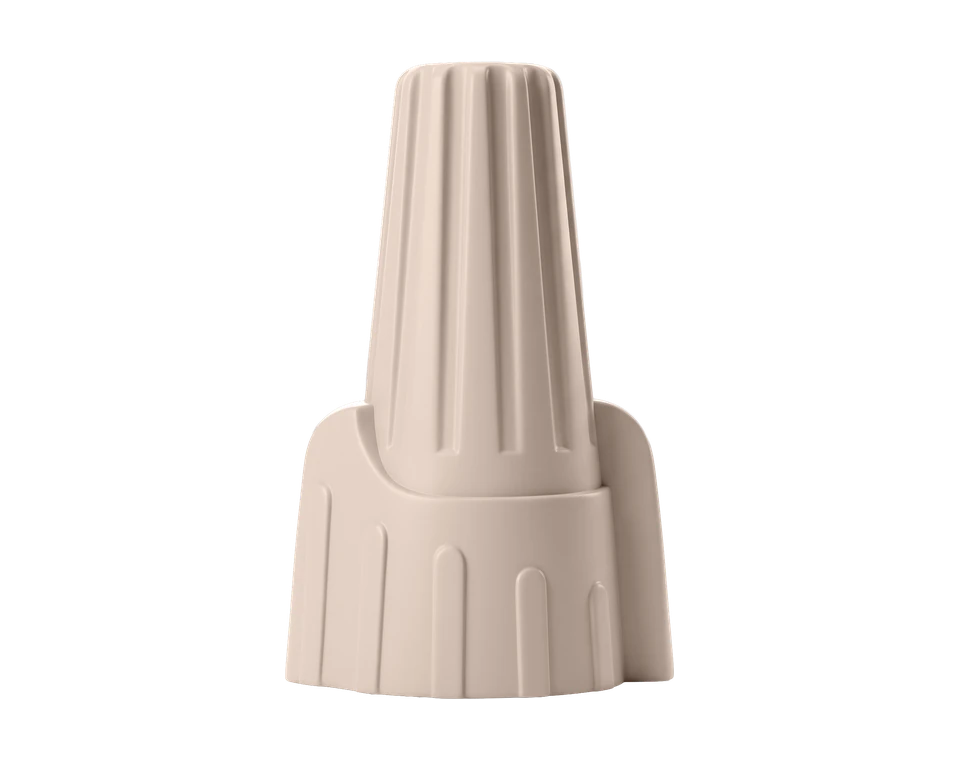
A green wire nut is for joining ground wires, nothing else. The version with a hole lets one ground wire pass through the cap and carry on to a device as a pigtail. The hole isn't an extra port for another wire.
Before wiring, turn off power at the breaker; follow local code; use a licensed electrician if unsure. Follow the instructions for the exact light or connector.
What is the grounding connection for?
The ground wires (bare copper or green) give fault current a safe path back to the panel, so a breaker trips instead of a metal box or fixture becoming live. A grounding wire nut joins those wires. It’s green so anyone opening the box later can see at a glance which bundle is the ground. Use it on ground wires only, even if your hot or neutral wires would fit inside it.
Zone P99, as published
| Zone connector | Wire range | Published listing | Pack counts |
|---|---|---|---|
| Green grounding wire nut, with holeP99 | 14–10 AWG | UL 467 | 100 |
Values come from each SKU’s published Zone listing. An AWG range does not specify the permitted number or combination of wires.
The P99 is Zone’s green grounding wire nut with a pigtail hole. It takes 14 to 10 AWG wire and is listed to UL 467, the standard for grounding and bonding equipment. The UL listings guide explains how that differs from the UL 486C listing on Zone’s regular wire nuts.
How should you approach using one?
Start with the instructions on the package. They tell you which wire sizes and combinations the cap takes, how much insulation to strip and how to run the pigtail through the hole. Check that your ground wires are copper and within the 14 to 10 AWG range before you buy.
The 14 to 10 AWG range tells you the sizes the cap is made for. It doesn’t tell you every mix of those sizes it can hold. Zone hasn’t published a wire-combination chart, strip length or tightening instruction for the P99, so we don’t give one here. Go by the package.
What does the hole change?
The hole lets one ground wire run straight through the cap and continue out the top, so it can go on to the ground screw of a switch, outlet or fixture. That saves cutting and adding a separate short pigtail. It doesn’t change the wire range, and it doesn’t mean the cap takes one more wire than a cap without a hole.
Confirm before purchase
- You’re joining ground wires, not hot or neutral wires.
- Your wire sizes and number of wires are on the package chart.
- The way you plan to connect suits the equipment and your local code.
Browse Zone twist-on and grounding connectors for the P99 listing, and use the size chart to compare wire ranges across the range.
Why grounds get their own connector
A normal splice joins wires that carry current while the circuit is working: the hot and the neutral. The ground wire carries nothing in normal use. It only matters when something goes wrong, like a loose hot wire touching a metal box. Then it has to carry a lot of current for a moment so the breaker trips. That job is why grounding connectors are tested to their own standard, and why fit alone isn’t the test for which cap to use.
The green colour is the quick way to spot a grounding connector in a crowded box. The hole is another clue. Still, colour and shape don’t replace the part number and its listing. When you buy, you should be able to name the exact part, know it’s meant for grounding, and see which wire combinations it takes.
What to look for in the product information
Look for two things. The wire range tells you which wire sizes the cap is made for. The combination chart, usually printed on the package, tells you how many wires of which sizes you can put in together. You can’t work out the second from the first by adding up wire sizes or eyeballing how much room is in the cap.
Pack size doesn’t change anything about the connector. A 100-pack just gives you more of the same cap. If you buy a mixed assortment, keep the grounding cap’s instructions with the grounding cap. Two caps that look alike or sit on the same product page don’t share ratings.
Common questions
Why does a green wire nut have a hole?
So one ground wire can pass all the way through. You twist the ground wires together with one longer wire poking out the top, and that wire becomes the pigtail to the device’s ground screw. It’s a time saver, not an extra wire port.
Do ground wires need a wire nut?
They need to be joined with a connector made for grounding. A green grounding wire nut is a common choice, but crimp sleeves and other listed grounding connectors are used too. Which one fits your box depends on the equipment and your local code.
Can a green grounding cap join hot or neutral wires?
No. A green cap tells everyone who opens the box later that the bundle inside is ground. Putting hot or neutral wires in it is confusing at best and dangerous at worst. Use a regular wire nut for those, even if the wire sizes match.
How many ground wires fit in the Zone P99?
Check the chart on the package. Zone publishes the 14 to 10 AWG range for the P99 but not a wire-count chart, so we can’t give a number here. Don’t count the hole as a spare slot.
Does UL 467 mean the same thing as UL 486C?
No. UL 467 covers grounding and bonding equipment. UL 486C covers splicing wire connectors, like regular twist-on wire nuts. A part listed to one isn’t automatically a swap for a part listed to the other.
Is a grounding wire nut also waterproof?
No, not unless it says so. Grounding and water protection are separate ratings, and the P99 is listed for grounding only. If the ground splice will be wet or buried, the connector needs a rating for that location too, so check the package for both.