
Zone · Guides · UL listed wire connectors
UL listed wire connectors: what the listing means
Updated
Before wiring, turn off power at the breaker; follow local code; use a licensed electrician if unsure.
What does UL listed mean?
UL publishes standards for each kind of product and evaluates products against them. A connector that passes is listed to that standard and may carry the UL mark. A listing belongs to a product, not to a brand or a type: one lever connector being listed says nothing about another. So read the standard printed for the exact connector you buy, and check that the job is inside what that standard covers and inside the connector’s published wire range.
The four standards on Zone wire connectors
| Standard | What it covers | Zone SKUs listed to it |
|---|---|---|
| UL 486C | Splicing wire connectors. Each product still has its own conductor and application conditions. | P12C (22–8 AWG), P13 (22–8 AWG), P6 (22–10 AWG), P11V (18–10 AWG), P3 (22–14 AWG), P2 (22–14 AWG), PC623 (28–12 AWG), PC333 (22–12 AWG), BCT2H-100 (16–14 AWG), BCT2H-200 (16–14 AWG), BCT1H-100 (22–16 AWG), BCT1V-100 (22–16 AWG) |
| UL 467 | Grounding and bonding equipment: connectors used in the equipment-grounding path. | P99 (14–10 AWG) |
| UL 486G | Sealed twist-on connecting devices. Use the exact product’s published location designation and conditions. | R3 (20–10 AWG), R6 (20–8 AWG) |
| UL 486A-B | Wire connectors. Permitted conductor materials belong to the individual product, not every product within the standard’s scope. | S2-4MBH-100 (16–14 AWG), S2-4SV-100 (16–14 AWG), S8-4BV-25 (8 AWG), R1-5LBH (22–16 AWG), R1-4SV-100 (22–16 AWG), R5-10V-25 (12–10 AWG) |
Some listings also print a voltage rating (600 V / 1000 V; 300 V; 600 V); it is shown on that connector’s row of the certifications page.
Are wire nuts UL listed?
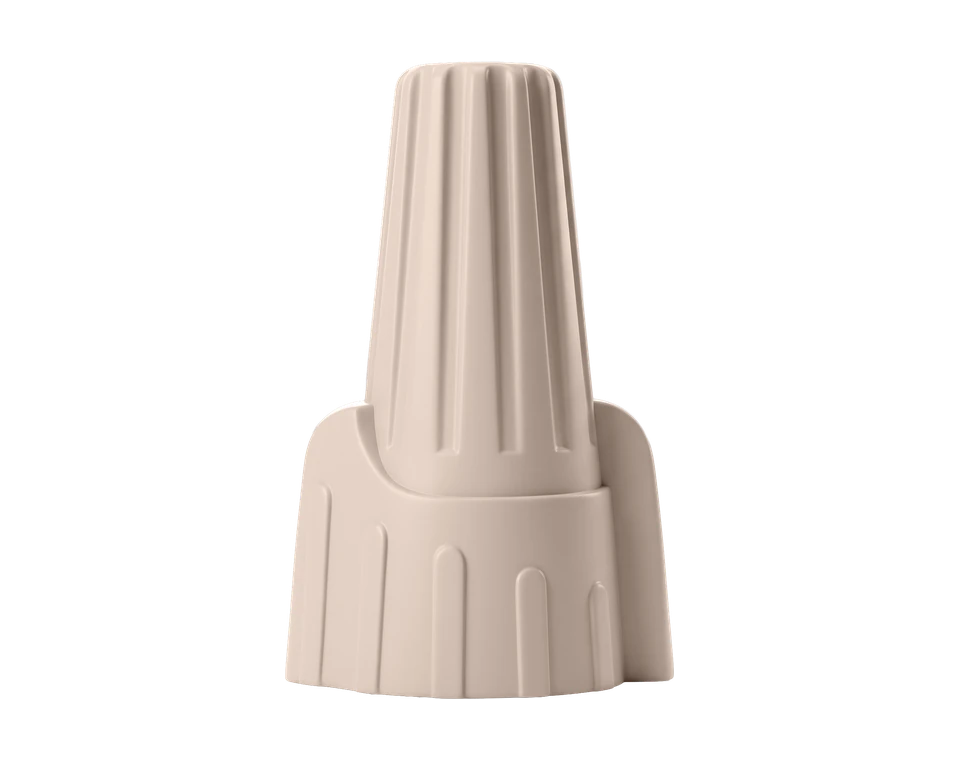
Zone’s are. Every Zone twist-on wire nut is listed to UL 486C, except the green grounding cap, which is listed to UL 467 as grounding equipment. By colour and size: wire nut size and colour chart.
Are lever nuts UL listed?
Zone’s are: the PC623 lever connector (28–12 AWG) is listed to UL 486C, and the PC333 push-in connector (22–12 AWG) is listed to UL 486C. That is the same standard as Zone’s twist-on caps. Lever and push-in connectors.
UL listed for wet or buried splices
A regular splicing listing doesn’t cover wet or buried use. For those, look for a connector marked for that location. Zone’s silicone-filled caps (R3, R6) are listed for direct burial. Waterproof direct-bury wire nuts.
UL listed vs ETL listed
UL and Intertek (the ETL mark) are both nationally recognized testing laboratories. Each tests to a named standard; the mark tells you who tested it, and the standard tells you what for. On this site, Zone wire connectors carry UL listings; lighting products may publish an ETL or UL listing for the exact model. The certifications page lists each mark product by product.
Every Zone listing, by connector
| Connector | Zone SKU | Wire range | Listing |
|---|---|---|---|
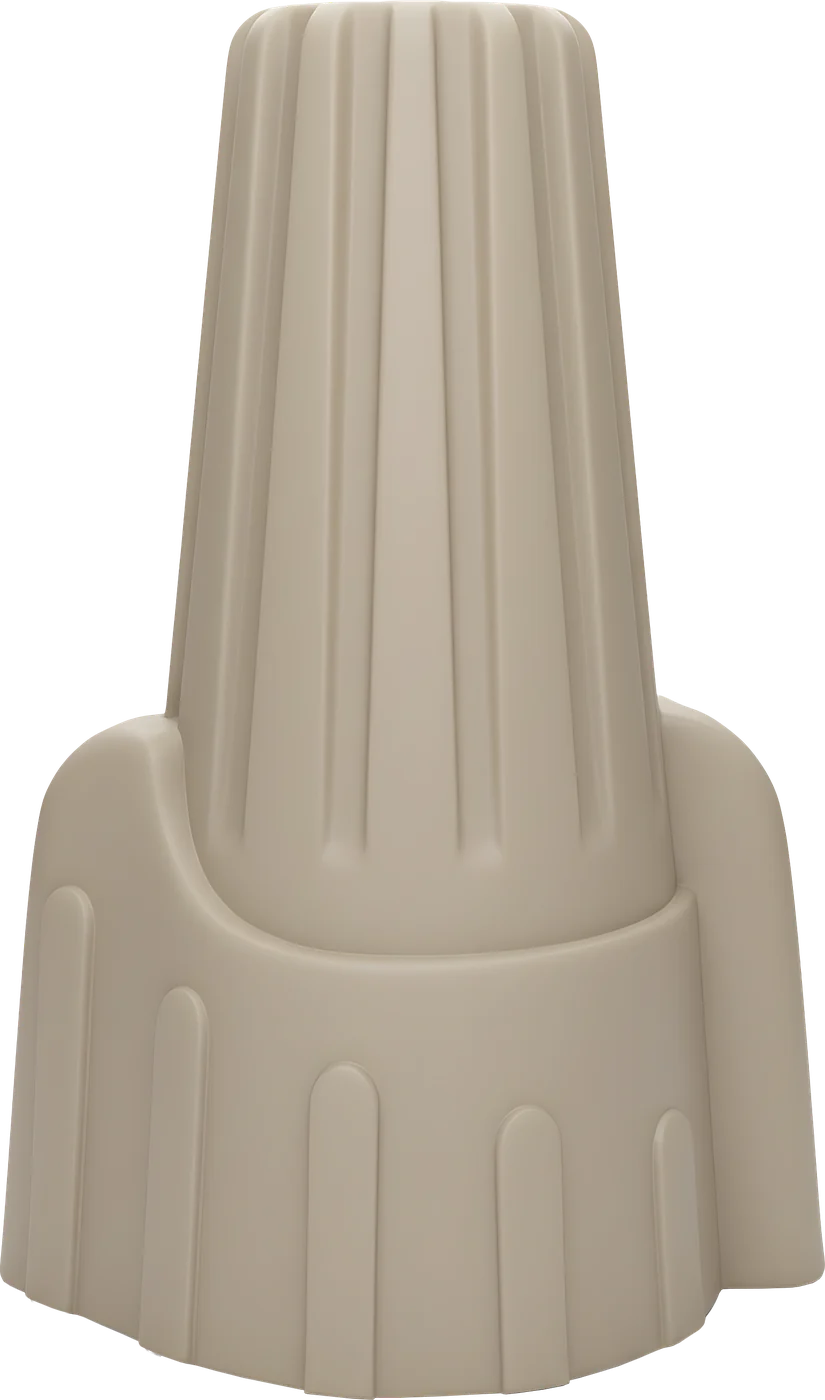
| Tan winged wire nutTwist-on wire nuts | P12C | 22–8 AWG | UL 486C |
| Red winged wire nut, heavy dutyTwist-on wire nuts | P13 | 22–8 AWG | UL 486C |
| Red wire nutTwist-on wire nuts | P6 | 22–10 AWG | UL 486C |
| Yellow winged wire nutTwist-on wire nuts | P11V | 18–10 AWG | UL 486C |
| Orange wire nutTwist-on wire nuts | P3 | 22–14 AWG | UL 486C |
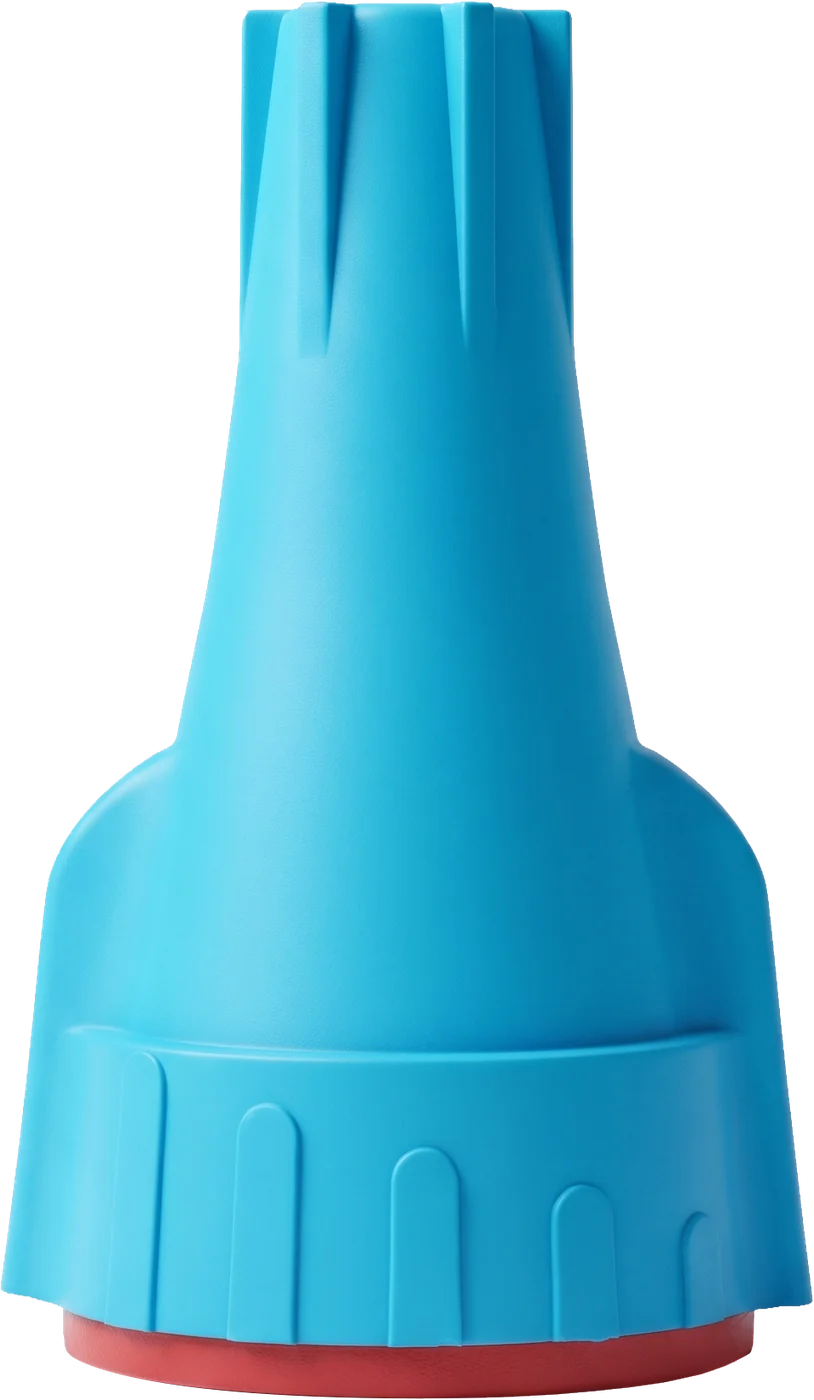
| Blue compact wire nut, low profileTwist-on wire nuts | P2 | 22–14 AWG | UL 486C |
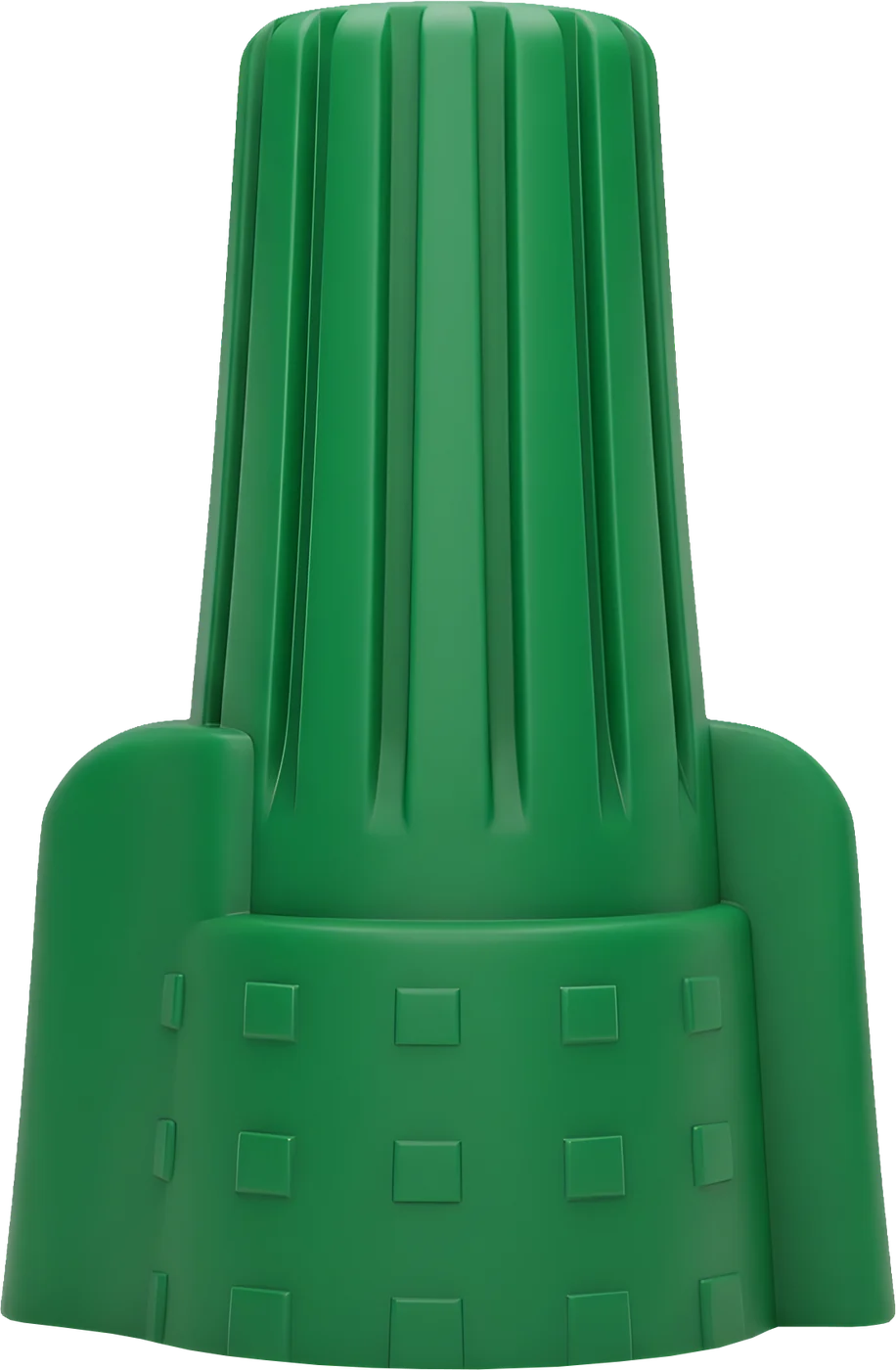
| Green grounding wire nut, with holeTwist-on wire nuts | P99 | 14–10 AWG | UL 467 |
| Waterproof wire nut, silicone-filledWaterproof, direct bury | R3 | 20–10 AWG | UL 486G |
| Waterproof wire nut, silicone-filledWaterproof, direct bury | R6 | 20–8 AWG | UL 486G |
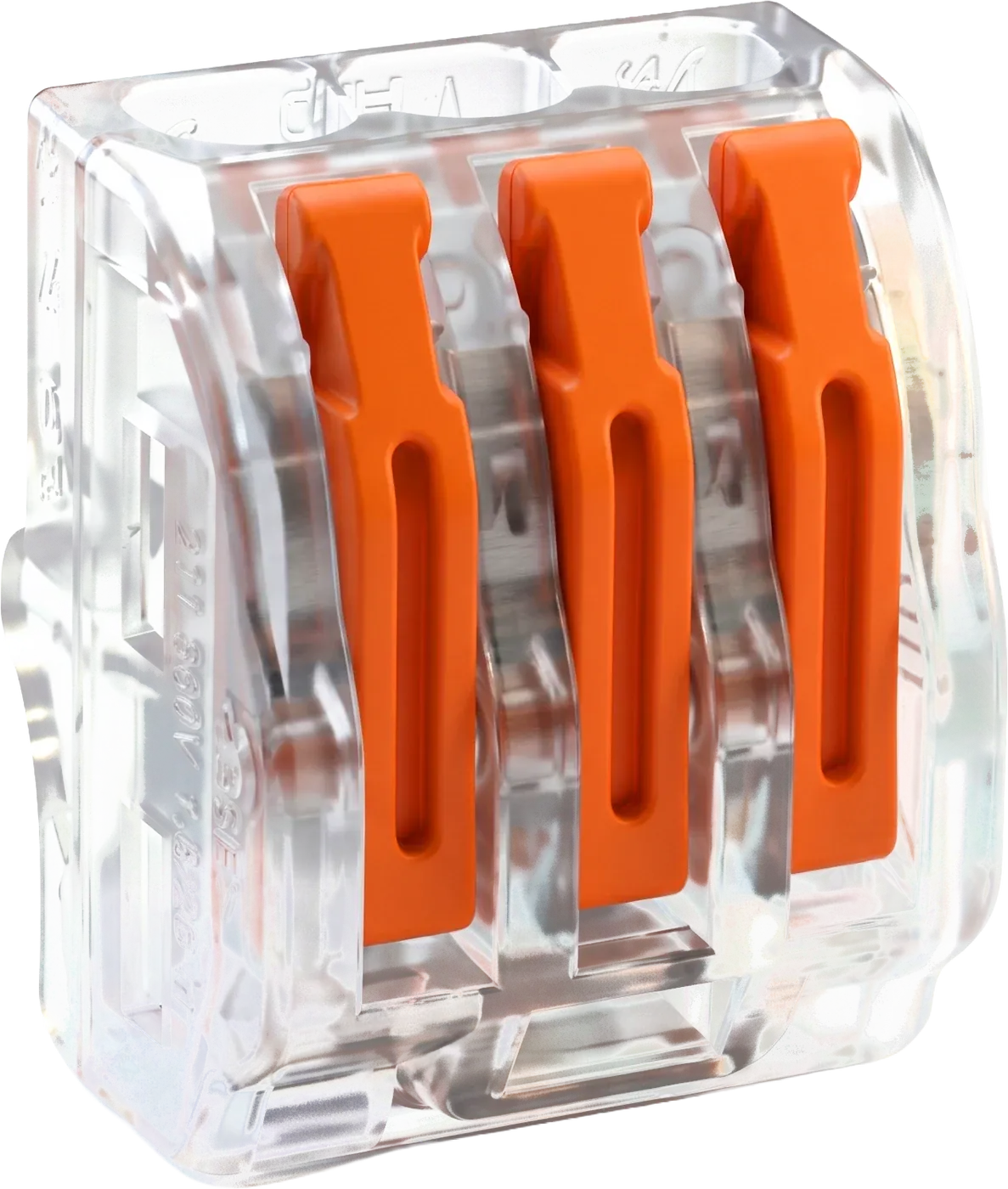
| 3-port lever wire connectorLever and push-in | PC623 | 28–12 AWG | UL 486C |
| 3-port push-in wire connectorLever and push-in | PC333 | 22–12 AWG | UL 486C |
| Heat-shrink butt connectorCrimp terminals | BCT2H-100 | 16–14 AWG | UL 486C |
| Heat-shrink butt connectorCrimp terminals | BCT2H-200 | 16–14 AWG | UL 486C |
| Heat-shrink butt connectorCrimp terminals | BCT1H-100 | 22–16 AWG | UL 486C |
| Vinyl butt connectorCrimp terminals | BCT1V-100 | 22–16 AWG | UL 486C |
| Heat-shrink fork terminal, #8 studCrimp terminals | S2-4MBH-100 | 16–14 AWG | UL 486A-B |
| Fork terminal, #8 studCrimp terminals | S2-4SV-100 | 16–14 AWG | UL 486A-B |
| Fork terminal, #8 stud, heavy dutyCrimp terminals | S8-4BV-25 | 8 AWG | UL 486A-B |
| Heat-shrink ring terminal, #10 studCrimp terminals | R1-5LBH | 22–16 AWG | UL 486A-B |
| Ring terminal, #8 studCrimp terminals | R1-4SV-100 | 22–16 AWG | UL 486A-B |
| Ring terminal, 3/8 in studCrimp terminals | R5-10V-25 | 12–10 AWG | UL 486A-B |
As published on each Zone Amazon listing. Nearly 15 million Zone wire connectors sold on Amazon since 2024.
Read the mark, standard and application together
The UL mark tells you the product was tested. The standard tells you what it was tested as: a splicing connector, a sealed connector, a grounding part or a terminal. The package and instructions then give you that product’s own limits, such as wire range, wire types and where it can be used. You need all three. Lots of different connectors share one standard, and each still has its own limits.
When you buy, keep the exact part number and the package with it. A connector from the same product family, or one that looks the same, may not carry the same rating. UL’s connector certification overview explains which standards apply to which connector types; the Zone tables above show the standard published for each part.