
Zone · Guides · Light colour by room
Light colour temperature by room
Updated
Kelvin colour temperature chart
| Kelvin | Name on Zone boxes and pages | Zone lights at this colour |
|---|---|---|
| 2700K | Warm white | 4 |
| 3000K | Soft white | 9 |
| 3500K | Neutral | 1 |
| 4000K | Bright white | — |
| 5000K | Daylight | 15 |
| 6500K | Cool daylight | — |
Names as Zone uses them on the colour band of every box and product page. Counts are Zone lights on this site whose colour temperature is confirmed; grow lights are not counted.
Which colour for which room
By category, the colour temperature Zone lights come in:
- Garage & shop lights: 5000K (daylight). For garages, basements, workshops, laundry and utility rooms.
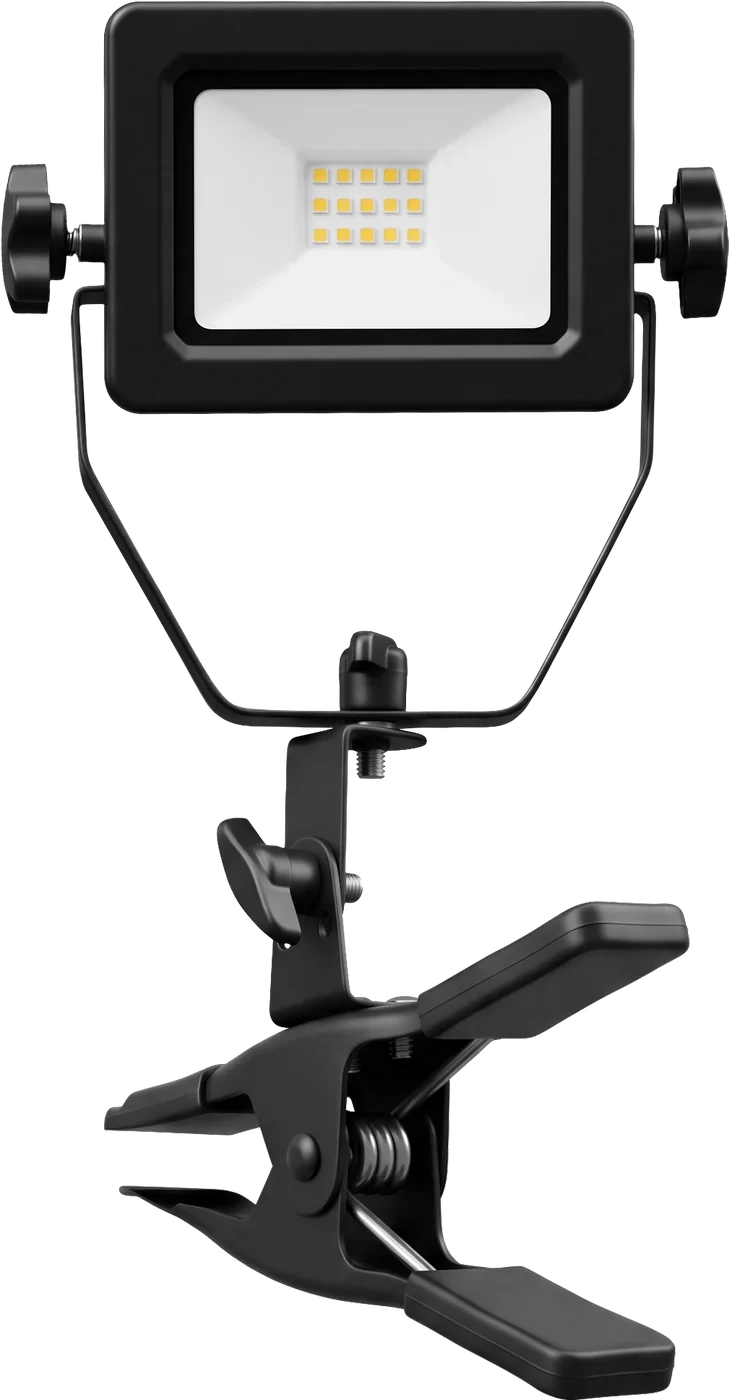
- Work lights: 5000K (daylight). For job sites, workbenches, barns, anywhere the job moves.
- Kitchen & home lights: 2700K–3000K (warm white to soft white). For kitchens, living rooms, bedrooms, hallways.
- Outdoor & security lights: 2700K–5000K (warm white to daylight). For decks, patios, porches, driveways, side doors.
- Grow lights: full spectrum, red and blue, for plants rather than for lighting a room.
What colour temperature for a kitchen?
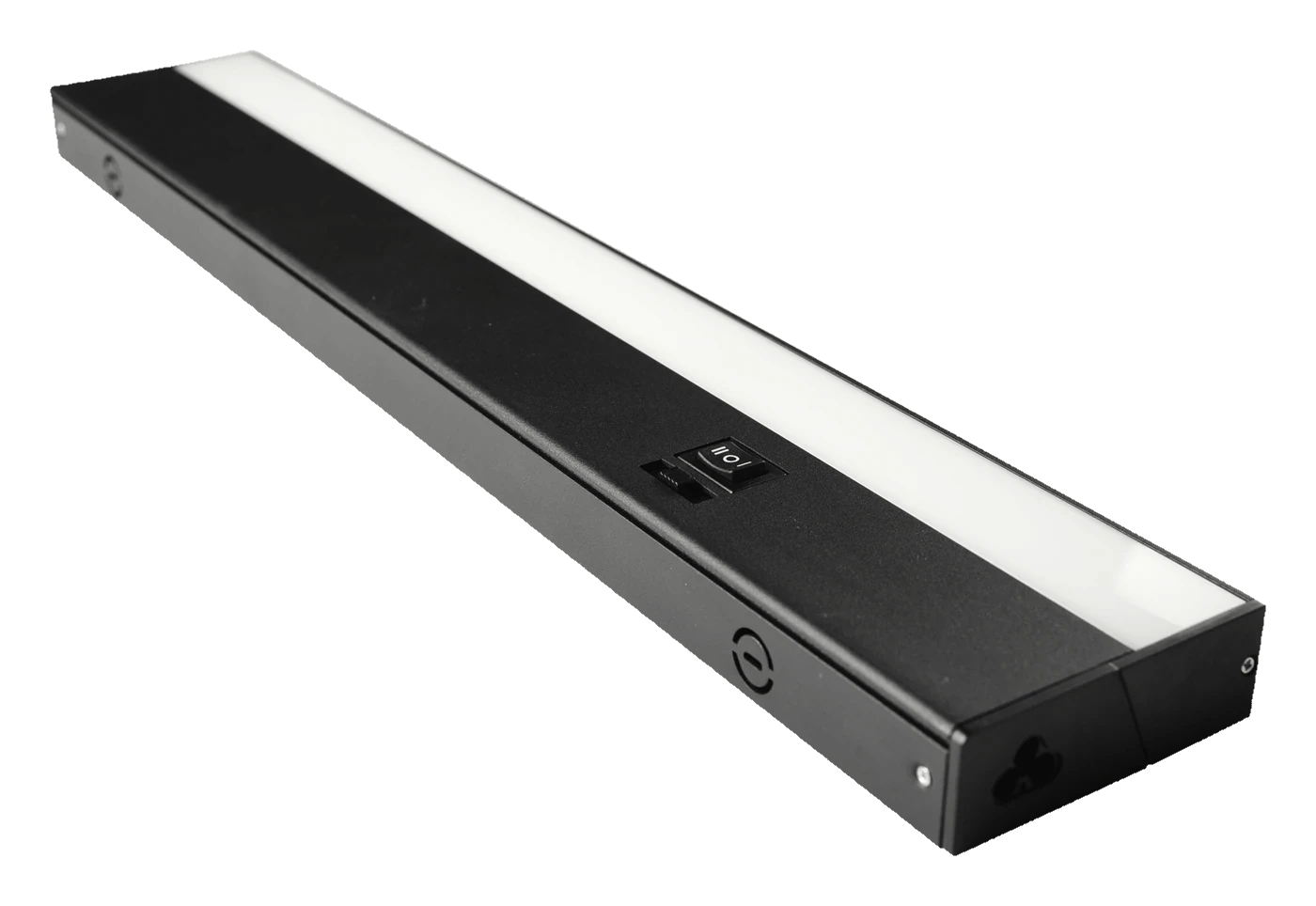
Zone’s kitchen and home lights come in 2700K–3000K (warm white to soft white). Choose warm for a cosy room and whiter for a bright, crisp one. Some Zone under-cabinet lights switch between three colour temperatures; their product pages say which.
Best colour temperature for a garage
Zone’s garage and shop lights are 5000K (daylight): blue-white light, bright and crisp for working. How much light you need is a separate question: how many lumens for a garage.
3000K vs 5000K
3000K is soft white: warm and slightly amber, close to the amber of an old incandescent bulb. 5000K is daylight: a cooler white appearance. Most people like warmer light for winding down and cooler light for work, but that’s taste, not a rule.
5000K vs 6500K
Both are white-blue. 5000K is daylight; 6500K is cool daylight, bluer again. Of the Zone garage, shop and work lights with a confirmed colour temperature, 13 of 13 are 5000K.
Where to find a light’s colour temperature
Each Zone product page shows the light’s colour temperature once it’s confirmed; if it isn’t confirmed yet, we leave it off. The colour band on the page and the box shows where that number sits between warm and cool. Try the colours on a room.
How Kelvin describes white light
The Kelvin number describes the colour of white light. Lower numbers look more yellow and amber, like candlelight or an old incandescent bulb. Higher numbers look whiter and then bluer, like midday daylight. The number has nothing to do with how hot the bulb gets, and it isn’t a quality rating. A warm light isn’t a weaker version of a cool one.
So treat colour and brightness as two separate choices. First pick the white you want to see against your walls, cabinets and floors. Then work out how many lumens the room needs for what you do there. A bright kitchen can be warm white, and a dim accent light can be cool. A bulb called “daylight” isn’t automatically brighter, and it doesn’t automatically show colours more accurately either.
Choose colours across connected rooms
Think about the lights you’ll see at the same time. In an open kitchen and living area, 5000K under-cabinet lights next to 2700K ceiling lights will look noticeably different, bluish next to amber. Some people like that contrast; most prefer to keep connected spaces within a step or two on the chart. The lights don’t need the same brightness or the same switch, only a colour that looks right side by side.
Wall paint, wood, tile and window light all change how a colour temperature looks in your home. On-screen previews are good for comparing warm against cool, but no screen matches a real bulb exactly. If colour accuracy matters for your work, the colour temperature and CRI guide explains what else to check.
Zone lights, warm to daylight
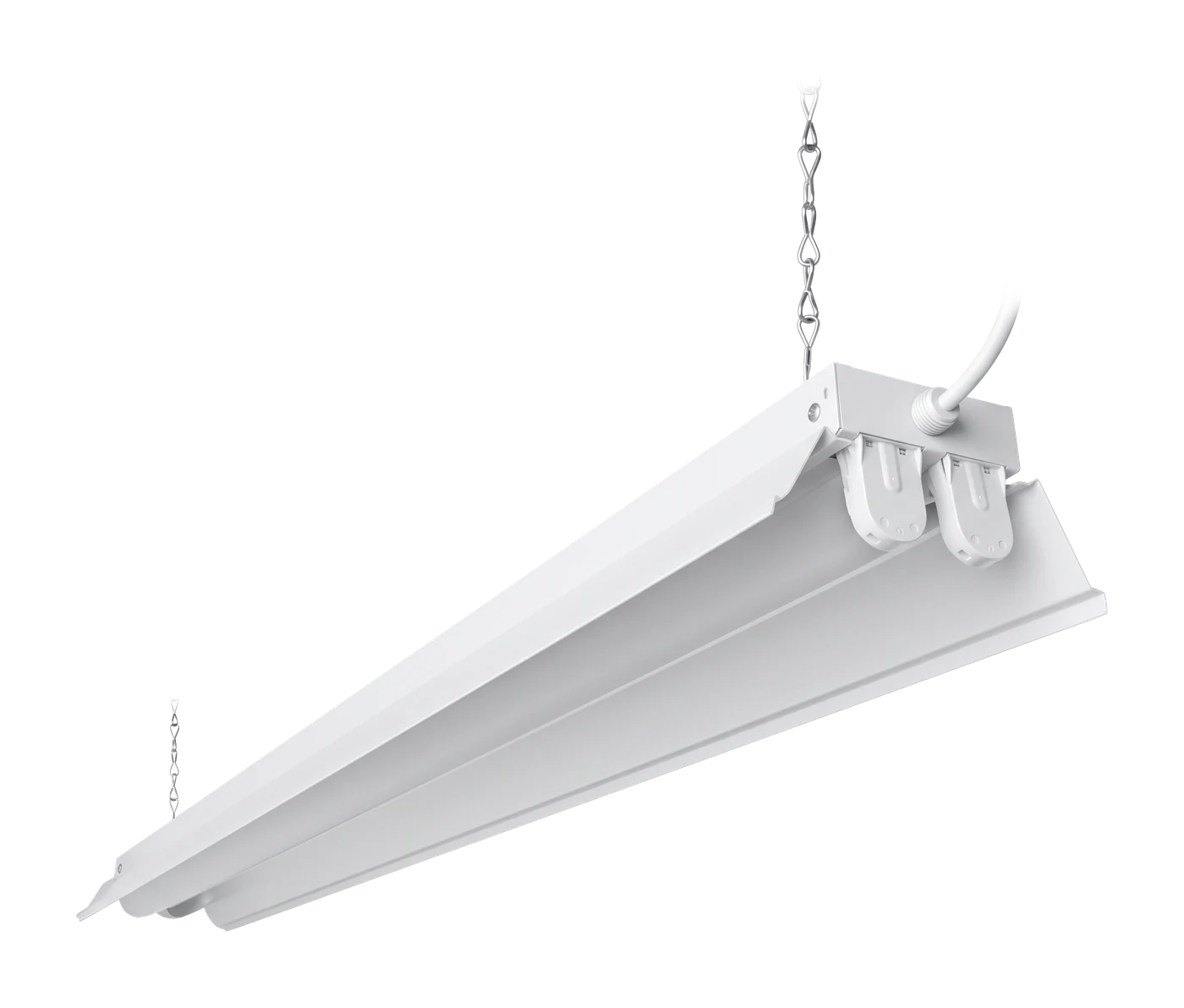
4 ft 2-light shop light
Overhead daylight for a garage, basement or workshop ceiling.
18 in. 3-CCT linkable under-cabinet light
Puts light on the counter, where the cabinets above throw a shadow.
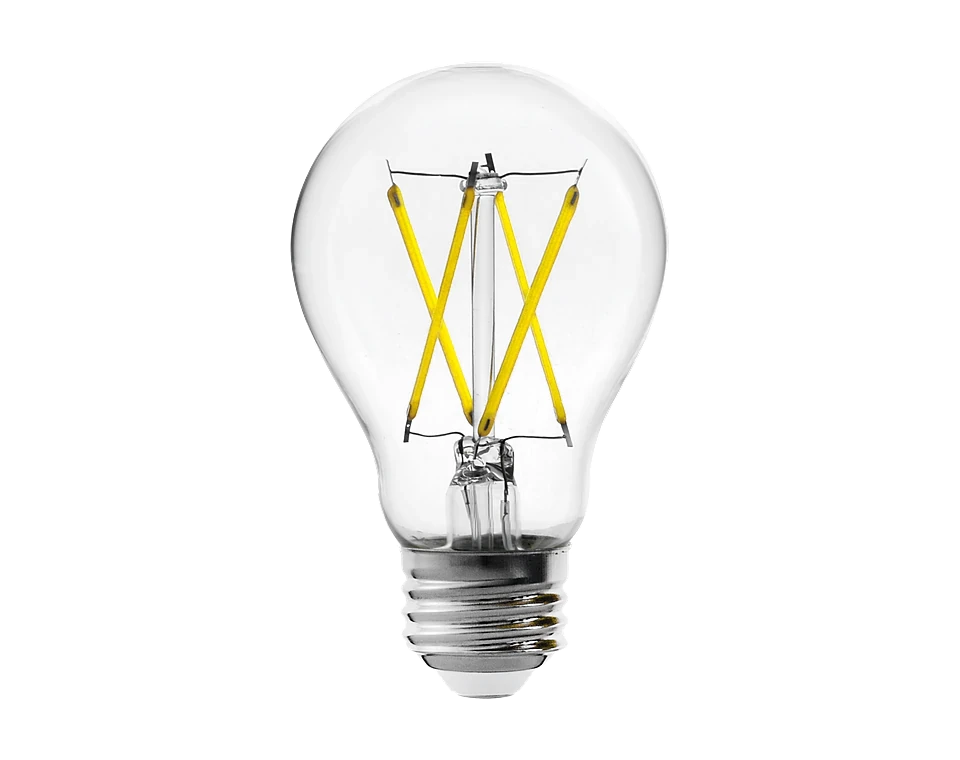
A19 filament LED bulb
A clear, warm-white bulb for lamps and open fixtures where the bulb shows. Dimmable.