


Zone · Guides · Butt, ring and fork terminals
Butt connector, ring or fork terminal: which do I need?
Updated
Before wiring, turn off power at the breaker; follow local code; use a licensed electrician if unsure. Follow the instructions for the exact light or connector.
Start with the connection you actually need
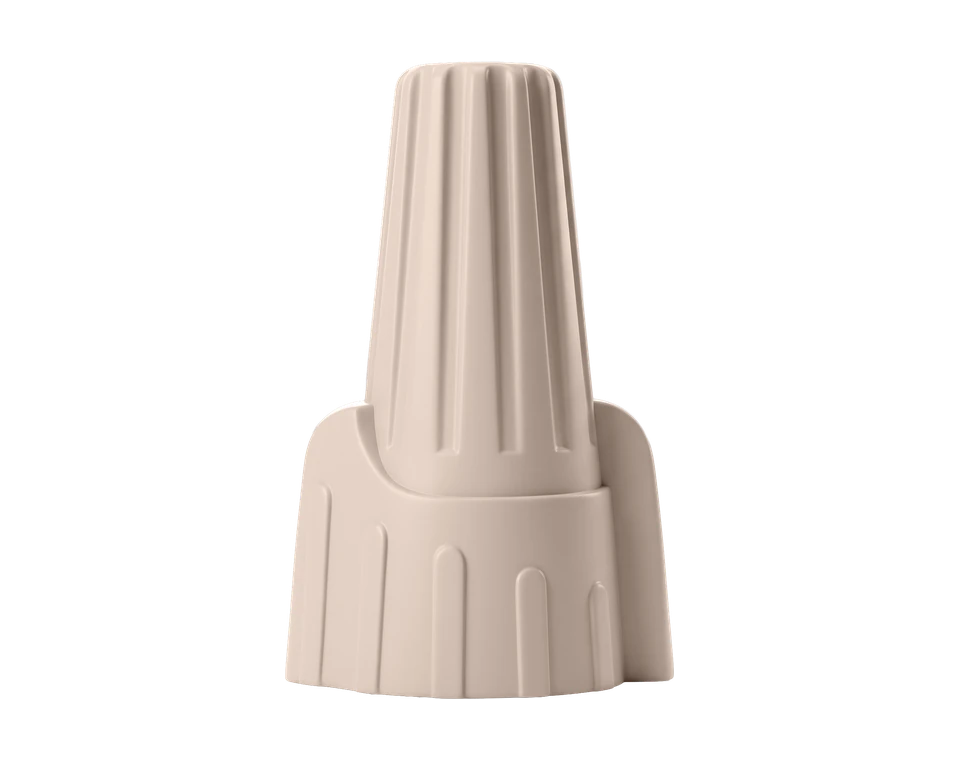
Choose the shape your connection needs. A butt connector joins wires inside its body. A ring terminal has a closed hole for the specified stud or screw. A fork terminal has an open end that fits suitable terminal hardware. They do different jobs. A matching color or wire range does not make one a substitute for another.
Read the equipment’s instructions before choosing. The terminal must suit that connection, not just look like the part you took out. This guide helps you compare listed products. It does not approve equipment changes, repair methods or uses that are missing from the product details.
Check wire gauge and stud size separately
Check wire gauge and stud size separately. The wire range tells you which conductors the terminal accepts under its instructions. Stud size tells you which hardware fits the other end of a ring or fork terminal. A pack may show both an AWG range and a numbered or fractional-inch stud size. You need both to check the fit.
For example, #8 stud size does not mean 8 AWG wire. Read the wire range in its own field. Heavy-duty does not replace a wire range, hardware size or allowed use either. Match each detail to the job instead of choosing the biggest-looking terminal in a kit.
Note the wire’s material, gauge and construction, plus the terminal shape and stud size the equipment requires. If you do not know one of these, find out before choosing. Measuring the outside of the insulation or guessing wire thickness from a photo cannot replace the wire’s marking.
Compare exact Zone examples
Compare the butt, fork and ring examples in the table. Pack count tells you how many pieces you buy, not how many wires each connector holds. Check the listing standard for the exact SKU too. Different terminal types may have different listings.
| Zone connector | Wire range | Published listing | Pack counts |
|---|---|---|---|
| Heat-shrink butt connectorBCT2H-100 | 16–14 AWG | UL 486C | 100 |
| Vinyl butt connectorBCT1V-100 | 22–16 AWG | UL 486C · 600 V | 100 |
| Heat-shrink fork terminal, #8 studS2-4MBH-100 | 16–14 AWG | UL 486A-B | 100 |
| Heat-shrink ring terminal, #10 studR1-5LBH | 22–16 AWG | UL 486A-B | 100 |
Values come from each SKU’s published Zone listing. An AWG range does not specify the permitted number or combination of wires.
The complete crimp-terminal family page shows the other listed sizes and pack options. Where a stud size is published, it appears in the product name. A shared color or family name does not mean two rows have the same wire range or listing.
Check where the insulation can be used
Check the allowed environment as well as the insulation type. Vinyl and heat-shrink insulation are made differently. Heat-shrink products need the process in their instructions. The name alone does not mean waterproof or approved for direct burial. An insulated terminal is not always suitable for an exposed outdoor connection.
If you need a sealed underground splice, compare the published direct-burial family. Do not assume a heat-shrink sleeve makes a terminal suitable. Check that the wire combination, environment and installation are all allowed. This guide does not give burial depths or steps for landscape wiring.
For indoor equipment too, read both the terminal and equipment instructions for how to install it. This guide does not give a strip length, crimp force, tool die, heating method or torque. Get those details from the exact products and the installation requirements that apply to the job.
The tool and instructions are part of the choice
Check which tool and die the terminal needs before buying a pack. A crimp needs a specific mechanical process. A tool that closes around the barrel may still be wrong for that terminal and wire. This is especially worth checking when you compare terminal types that are made differently.
Before wiring, turn off power at the breaker; follow local code; use a licensed electrician if unsure. Do not improvise a crimp, change a terminal opening or reuse a connection just because it looks intact. If the public catalogue lacks a detail you need, ask for the exact installation instructions.
A listing tells you what product and uses were checked. It does not approve every wire material, use or piece of equipment related to that standard. In particular, the Zone details shown here do not confirm automotive, marine or car-audio use. Ask for evidence for your use instead of relying on similar-looking terminals elsewhere.
Write down the details before buying
Before choosing a pack, write down the SKU, shape, allowed wire details, stud size, insulation and environment. Keep the required tool and instructions with that note. If you repeat a job, these notes help you avoid swapping in a similar-looking pack without checking its specifications.
Choose the pack size once you have matched the connector to the job. More pieces in a pack do not make a connector perform better. Retail buyers can request the current line sheet through the retailer page. A catalogue row alone does not confirm terms or stock.
More buyer details
Does a pack of 100 mean each connector takes many wires?
No. It means you buy 100 connectors. The allowed wire combinations are a separate part of the instructions. Pack size cannot tell you those combinations.
Where are the crimp and torque instructions?
The public product details used here do not include them, so this guide cannot give them. Get the product and equipment instructions before starting. Use a licensed electrician if the requirements are unclear.
Common questions
Is a ring terminal safer than a fork terminal?
It depends on the equipment and how it is installed. Use the shape allowed for that connection. A closed ring does not replace the need to check the wire, hardware and tools.
Does #8 mean 8 AWG?
Not if #8 is the stud size. Stud size and wire gauge describe different parts of the connection. Check both before choosing a terminal.
Are red and blue terminal colors universal sizes?
Do not choose by color alone. Read the wire range for the exact SKU. A color you know from another connector family may mean something different here.
Can I use a heat-shrink butt connector underground?
Only if that exact product says it is approved for that use. Heat-shrink alone does not mean you can bury it. The Zone direct-burial guide shows the connectors with separately listed burial information.