


Zone · Guides · Direct-burial wire connectors
Which wire connectors are for direct burial?
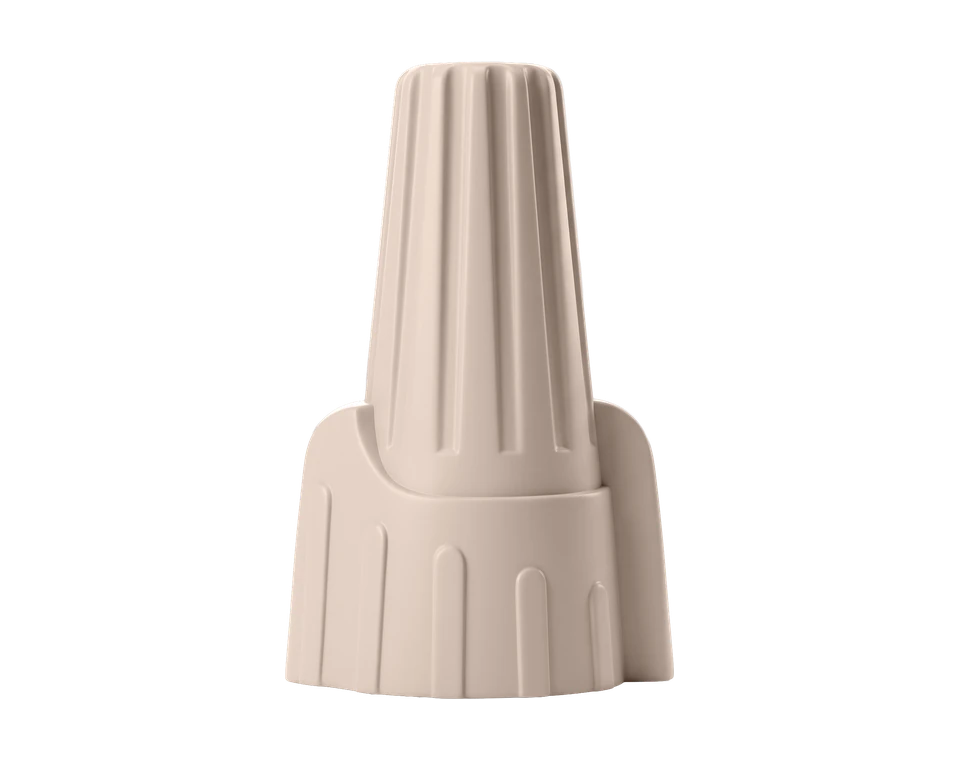
A regular wire nut isn't made to be buried. For a splice that goes underground, use a connector marked for direct burial, such as Zone's silicone-filled R3 or R6. “Outdoor”, “waterproof” and “heat-shrink” don't all mean the same thing, so check the package.
Before wiring, turn off power at the breaker; follow local code; use a licensed electrician if unsure. Follow the instructions for the exact light or connector.
Why the location matters
Water is what ruins an outdoor splice. Moisture gets into the joint, the copper corrodes, resistance climbs and the light starts flickering or quits. A splice under a porch light only sees rain and humidity. A buried splice sits in damp soil all year, so it needs a connector built for that. Decide where the connection will live first, then pick the connector. Shape and colour won’t tell you whether a cap can go in the ground; the marking on the package will.
Zone direct-bury records
| Zone connector | Wire range | Published listing | Pack counts |
|---|---|---|---|
| Waterproof wire nut, silicone-filledR3 | 20–10 AWG | UL 486G · direct bury | 100 / 25 |
| Waterproof wire nut, silicone-filledR6 | 20–8 AWG | UL 486G · direct bury | 100 / 20 |
Values come from each SKU’s published Zone listing. An AWG range does not specify the permitted number or combination of wires.
Both are silicone-filled waterproof wire nuts listed as “UL 486G · direct bury”. That rating belongs to these two SKUs only. Zone’s standard twist-on, lever and crimp connectors aren’t listed for burial, so keep them out of the ground.
What does UL 486G tell you?
It tells you the connector itself is listed for direct burial. It doesn’t tell you how deep to bury the cable, which cable to use or how many wires to put in one cap. Those come from the connector instructions, the light or equipment instructions and your local code, so read the package before you start.
Can you use one for landscape lighting?
Yes. Tapping fixture leads off a buried low-voltage landscape cable is one of the most common jobs for a direct-bury wire nut. Check that your wire gauge falls inside the connector’s range, and follow the lighting system’s own instructions for cable type and how the fixtures connect. Low voltage makes a shock less likely, but it doesn’t keep water out of the joint, so you still want a sealed, burial-rated connector.
Zone hasn’t published burial depths, wire-combination counts or an irrigation-specific rating for R3 or R6, so we don’t list them here. If your project needs one of those numbers, get it before you buy.
Choosing between the two sizes
Pick by wire size. R3 takes 20 to 10 AWG. R6 goes up to 8 AWG, so it covers heavier wire. A bigger range doesn’t mean the cap holds more wires, though. Check the chart on the package for the wire combinations each one accepts. The direct-bury connector page has each product listing.
How a sealed connector keeps water out
A silicone-filled wire nut does two jobs at once. The metal spring inside grips the twisted wires and makes the electrical connection. The silicone gel around it fills the gaps so water can’t reach the bare copper. As you twist the cap on, the wires push into the gel and it closes around them.
The cap, spring and gel are tested together as one product, which is why the rating covers that product and nothing else. Squeezing silicone or grease into an ordinary wire nut does not turn it into a direct-bury connector. Wrapping a splice in electrical tape doesn’t either, because tape won’t stay sealed underground.
Outdoor, wet and buried are different jobs
A connection inside an outdoor fixture housing is sheltered. A connection out in the open gets rained on. A connection in the dirt is wet all the time. A connector rated for wet locations isn’t automatically rated for burial, and a burial-rated connector doesn’t make the cable around it suitable for burial. The cable needs its own rating too.
Before you buy, note the wire gauge, whether the wire is copper and what system it belongs to. “Landscape lighting” covers lots of different setups, and so does sprinkler and irrigation valve wiring. Match the connector to the actual wires and the equipment instructions, not to the name of the project.
Common questions
Are ordinary wire nuts waterproof?
No. A regular wire nut insulates the joint but doesn’t seal it, so water can get in. For wet or buried connections, use a connector rated for direct burial, like Zone’s silicone-filled R3 or R6. A snug fit doesn’t make a standard cap waterproof.
Is silicone-filled the same as direct bury?
Not always. “Silicone-filled” describes what’s inside the cap. “Direct bury” is a rating for where it can be used. Zone’s R3 and R6 have both. On any other product, look for the direct-burial marking on the package instead of assuming the gel is enough.
Can heat-shrink butt connectors be buried?
Only if that exact product is marked for direct burial. Heat-shrink seals well against moisture, but heat-shrink on its own isn’t a burial rating. Zone’s heat-shrink butt connectors aren’t listed for direct burial, so use R3 or R6 for buried splices.
Do low-voltage landscape lights need waterproof connectors?
Yes. A 12-volt joint corrodes in wet soil like any other, and corroded splices are a common reason a run of path lights goes dim or dark. Low voltage lowers the shock risk; it does nothing to keep water out. Use a sealed, burial-rated connector for any splice in the ground.
Does the larger R6 take more wires than R3?
Not necessarily. R6 handles a larger wire size (up to 8 AWG, against 10 AWG for R3). How many wires either cap takes is a separate question. Check the chart on the package for the combinations each one accepts.
How deep should a direct-bury splice go?
The connector doesn’t set the depth. It depends on the cable, the voltage, what’s on top (lawn, driveway, concrete) and your local code. Low-voltage landscape cable is usually buried shallow and line-voltage circuits much deeper, so check the code for your job or ask an electrician.