
Zone · Guides · Grow lights for plant shelves
How do I choose grow lights for a plant shelf?
Updated
Measure from the leaves, not only the shelf
Measure how much room will be left above the leaves. Note the shelf’s length, depth and distance to the shelf above it. Measure the pots and how tall the plants are now. You need room for the light, its mount and the space its instructions require. An empty shelf can look tall but get crowded once you add pots and a lamp.
Leave room for the size you expect the plants to reach. Young plants may soon grow taller or spread out. Check whether you can adjust the mount while following the light’s instructions. Do not guess a hanging distance from the light’s width, a photo or the advice for a different model.
Draw a simple plan with the pots, light and route to power. Include any solid shelf lip or cabinet above the plants. A light can fit across the shelf but still be hard to position, control or plug in.
Choose a light that fits your layout
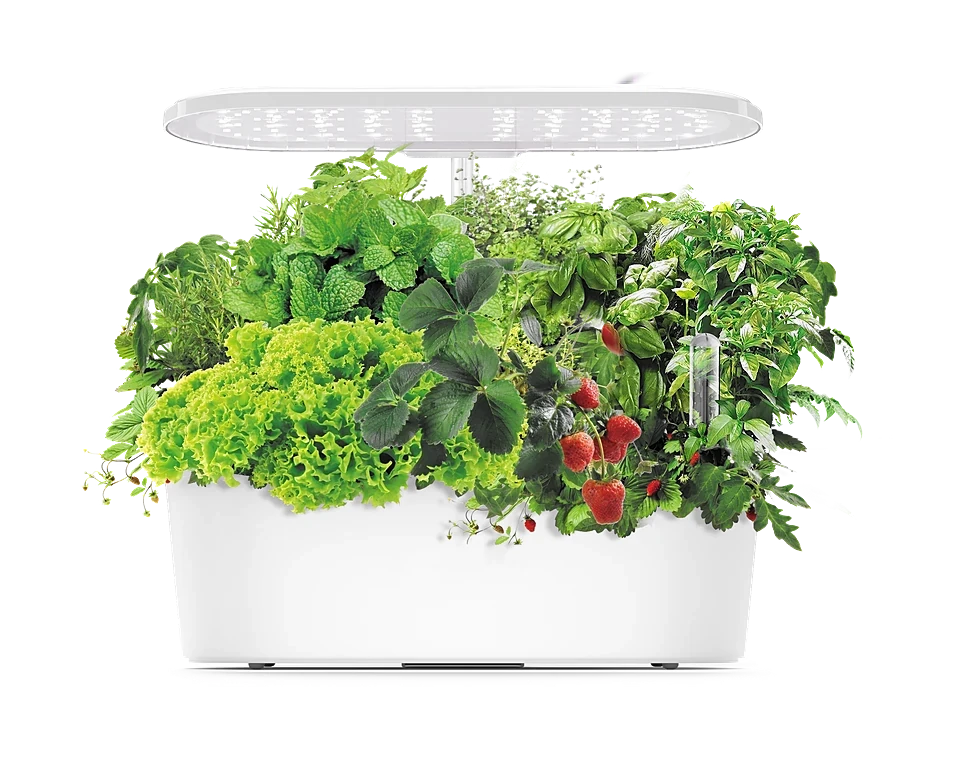
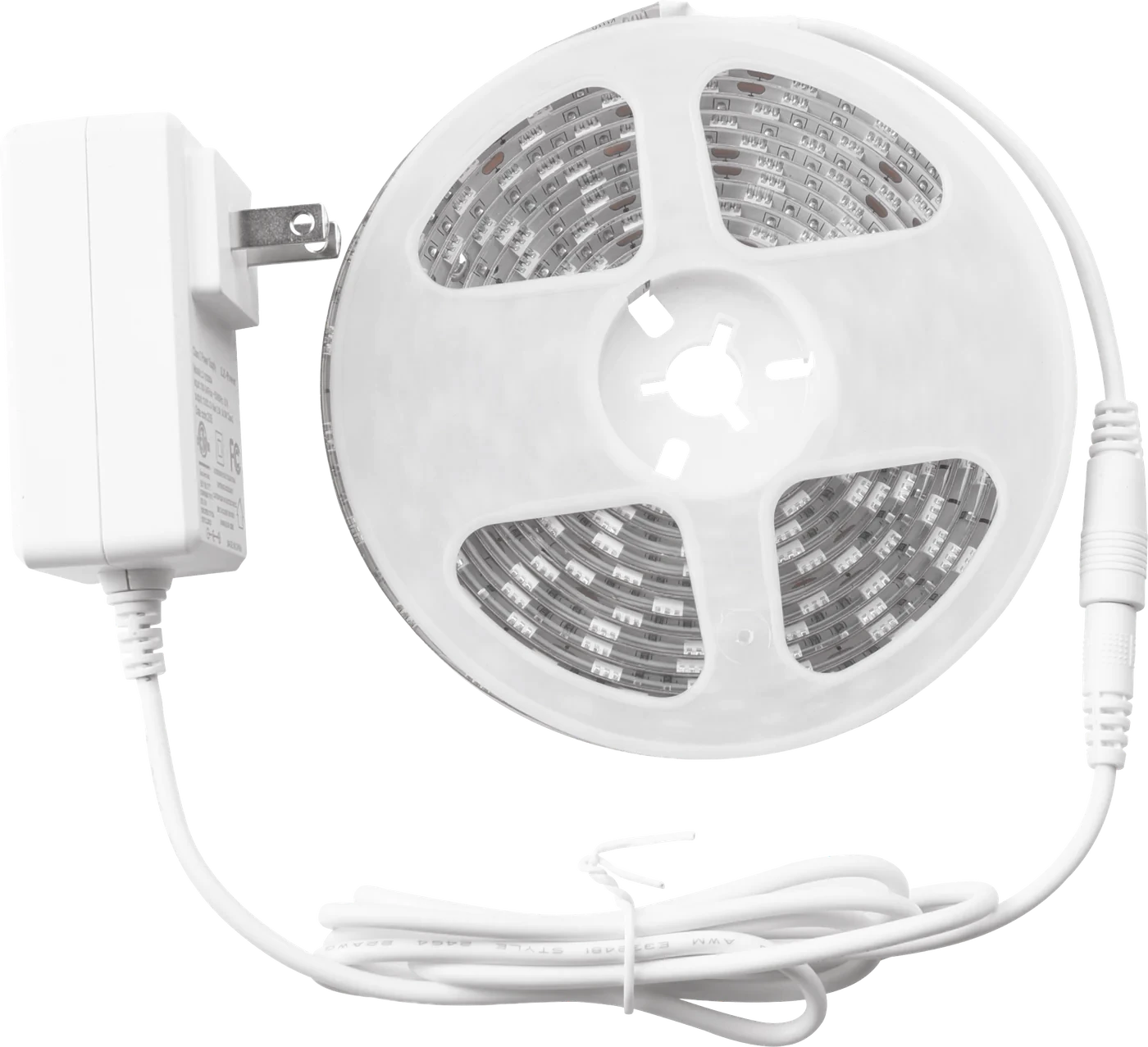
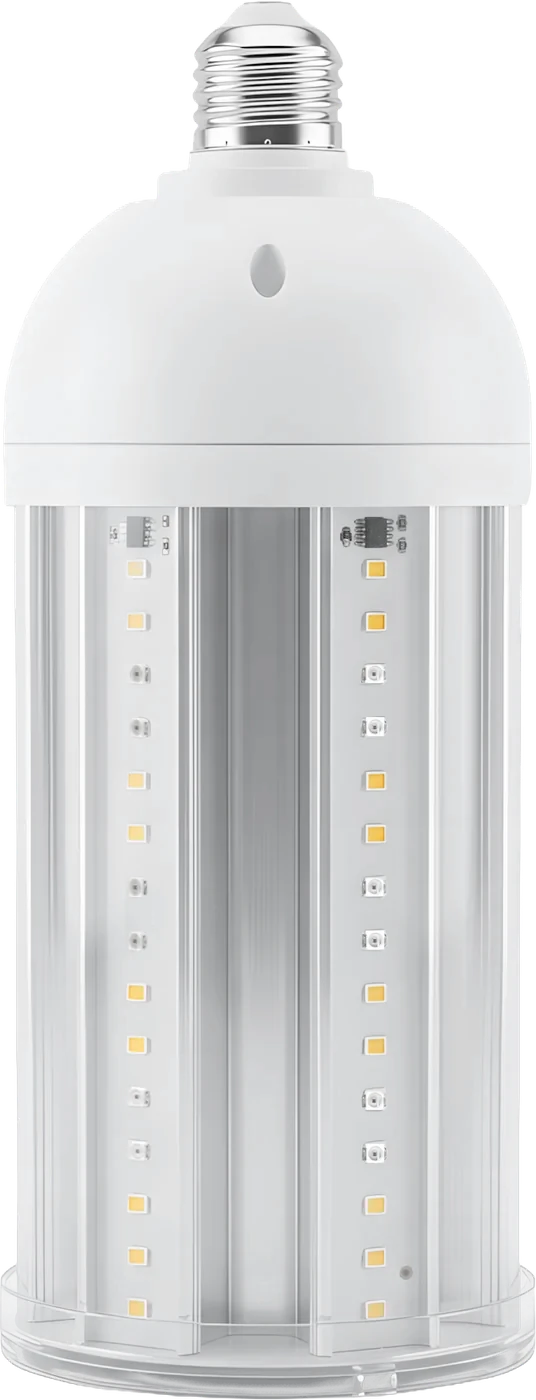
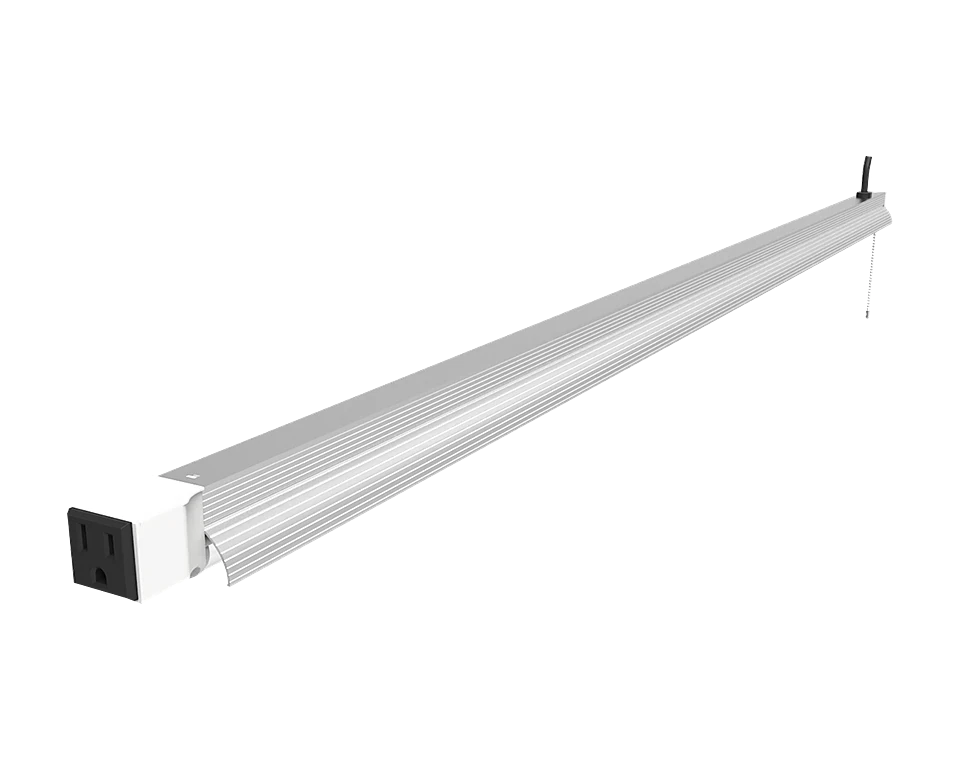
Choose the type that fits your layout. A bulb needs a suitable holder and shines from that spot. A rigid strip runs in a straight line. Flexible grow tape follows the mounting routes its instructions allow. Hanging and clamp lights give you other ways to position the light. A tabletop garden combines more parts in one setup; check its size and controls too.
Plan for the area the leaves cover, not just the bottoms of the pots. Plants grouped under one bulb need a different layout from plants spread along a shelf. A wider light does not prove that every spot gets the same plant-light intensity. For a precise comparison, ask for coverage data at the height where you plan to mount it.
| Zone light | Published size | Power connection | Location |
|---|---|---|---|
| 4 ft linkable grow stripZ-XP-GSH4 | 4 ft | Plug-in | Indoor use only |
| 11.8 ft grow light stripZ-TPL-GR12 | 11.8 ft | Plug-in adapter | Damp locations |
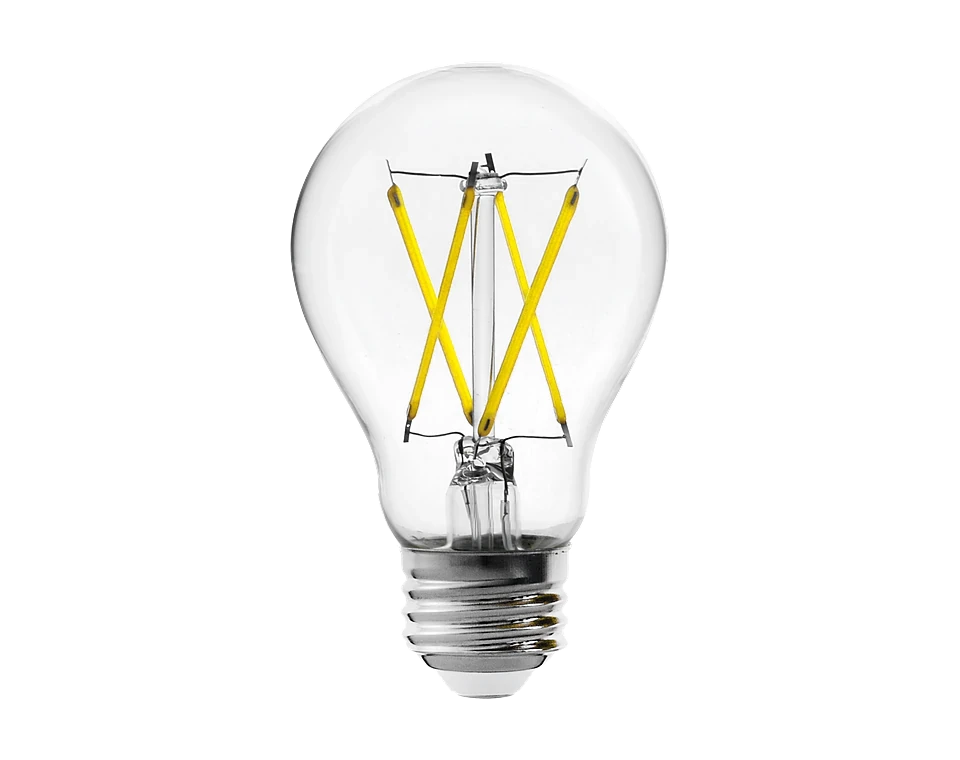
| Grow light bulbZ-GR-CB40 | 3.54 x 3.54 x 8.66 in | E26 socket (screw-in) | Damp locations |
| Tabletop mini gardenZ-VG-MB | Not published | Plug-in power adapter | Indoor use only |
These details come from each model’s linked product page. “Not published” means the information is missing. It does not mean the feature is absent or that a use is allowed.
Use the table to compare each light’s size and power connection. These details do not give you a measured coverage map for your shelf. If a dimension is missing, ask Zone. Do not try to work it out from the photo.
What do watts, PPF and PPFD tell you?
Check what each number measures before using it to plan coverage. Watts tell you power use. PPF measures the total photosynthetic photons the light gives off. PPFD measures how many of those photons reach a given area per unit of time. A PPF number alone cannot tell you what reaches each leaf at a set distance. A useful coverage map also needs measurement locations and mounting conditions.
Lumens measure light as human eyes see it. They help compare room lights, but do not replace plant-light measurements. Kelvin tells you how white light looks, not its intensity for plants. You cannot work out an exact Zone shelf coverage area from Kelvin, the words full-spectrum or the number of LEDs in a photo.
For example, the Zone grow bulb lists PPF in its description. That number does not tell you how many pots it covers or the best distance for every plant. Use it as total-output information. You still need layout details to answer those growing questions.
Choose a schedule for your plants
Choose a light schedule for your plants and the daylight they already get. The University of Minnesota Extension plant-lighting guide explains why intensity, distance, spectrum and duration all matter. Plant needs vary, and a nearby window changes the total light. Identify the plant and what you want to grow before deciding when to add light.
A built-in timer tells you how a product runs, not the right schedule for every plant. The Zone tabletop garden lists its own cycle. That cycle may not suit all the plants on a separate shelf. Another lamp may need a different control. If you add an external timer, check that the light’s instructions allow it.
Keep notes on your starting setup and what changes. If a plant stretches, turns pale or gets damaged leaves, light may be one cause, but it is not the only possible cause. Look for guidance for that plant and check its other growing conditions. This guide does not promise a harvest size or growth speed for any Zone model.
Make the shelf workable in everyday life
Leave room to move pots, clean and water without blocking the light or connections. Check that the light’s location rating suits the spot. Using an indoor-only light near plants does not make it waterproof. Check the power supply and each connection, not only the part that lights up.
If your shelf is in a living room, check the view from a chair and how the light will look in the room. Choose the spectrum and shape for the plants, and check how the controls work. If you rent, confirm the mounting plan before attaching a light or tape to furniture or cabinets.
Compare these Zone products
11.8 ft grow light strip
Grow light that mounts close to seed trays and plant shelves.
Grow light bulb
Turns an ordinary lamp socket into a grow light for houseplants, herbs and seedlings.
4 ft linkable grow strip
Grow light that mounts close to seed trays and plant shelves.
Tabletop mini garden
Grow herbs on the counter, with the light and the timer built in.
More buyer details
Can I link every Zone grow light together?
No. Check whether each model allows linking and what its limit is. The linking guide explains the listed grow-strip limit and points out where other products do not list linking as an option.
What should I send when asking for help?
Send the model, shelf measurements, plant names, pot and leaf height, available daylight and where you plan to mount the light. Ask for any missing dimensions or coverage data for that setup. These details help more than asking if a light is simply powerful enough.
Common questions
How close should the light be to my plants?
Follow the exact light’s instructions and the needs of your plants. There is no distance that works for every bulb or strip. The product information used here does not give a Zone hanging distance for each crop.
How many bars should I put on one shelf?
Shelf width alone cannot tell you. Check the plants’ needs, mounting height and measured spread of light. Ask for the right coverage data instead of just adding up bar lengths.
Can a regular white LED help a houseplant?
It can add light, but whether it is enough depends on how much reaches the plant and for how long. A grow label alone cannot answer that either. Compare the plant’s needs with the product details you have.
Can I run the light all day and night?
Do not assume every plant needs light around the clock. Follow guidance for your plant and the light’s instructions. A built-in timer is a feature, not the right schedule for every species.