
Zone · Guides · What is a ballast?
What is a ballast in a light fixture?
Updated
Before wiring, turn off power at the breaker; follow local code; use a licensed electrician if unsure. Follow the instructions for the exact light or connector.
What does a ballast do?
Think of a ballast as a gate that keeps the flow of power within the lamp’s limits. The bulb makes the light. The ballast helps it run. In many tube fixtures, the ballast sits under a metal cover inside the housing. You cannot tell its type just by looking at the light from below.
Fluorescent tubes use a ballast matched to their lamp type and count. Older fixtures may have a magnetic ballast; newer ones may use an electronic ballast. HID means high-intensity discharge. Metal halide and high-pressure sodium lamps are examples. They also need the right ballast. A fluorescent ballast and an HID ballast are not swap-in parts.
Why integrated LED fixtures do not use one
An integrated LED fixture has LEDs built into the light. It uses an LED driver to control their power, rather than a fluorescent or HID ballast. The driver is part of the fixture’s design. “No ballast” does not mean there are no electrical parts that can wear out.
LED tubes are a separate case. Some work through a compatible existing ballast. Others need wiring that bypasses it. A tube that fits the socket is not proof that it is safe for that wiring. Read the exact tube and fixture labels before choosing a replacement.
Signs a ballast may be failing
A light that flickers, hums more than before, starts slowly or will not light may have a ballast fault. These signs do not prove the ballast is bad. A worn lamp, poor contact, wrong tube or supply problem can look much the same.
If you notice a burning smell, smoke or damaged parts, turn off power and stop using the fixture. Do not keep switching it on to test it. Have an electrician check it. Before any inspection or wiring work, turn off power at the breaker and have the power verified off. A wall switch alone is not enough.
Three ways to move from fluorescent to LED
1. Plug-and-play tubes
Type A LED tubes use an existing compatible ballast. This can keep the fixture’s wiring in place, but the old ballast remains a part that may fail. Check the tube maker’s compatibility list against the full ballast model. “Works with T8” alone is not enough to confirm the match.
2. Ballast-bypass tubes
Type B tubes run without the fluorescent ballast. Converting an old fixture involves wiring changes. Tube designs differ: power may enter at one end or both ends, and socket requirements vary. This is not a matter of pulling out the ballast and trying a tube.
Use an electrician when unsure. Follow the exact tube instructions, fixture label and local code. Keep the required conversion label on the fixture so the next person knows which lamps it takes. Do not put a fluorescent tube back into a converted fixture.
3. Replace the whole fixture
A new integrated LED fixture replaces the old housing, lamps and ballast with a matched light. This can make sense when the old housing or sockets are damaged. Check its mounting, power connection, brightness and location rating. A sealed shape alone does not give permission for outdoor use.
Compare real Zone fixture options
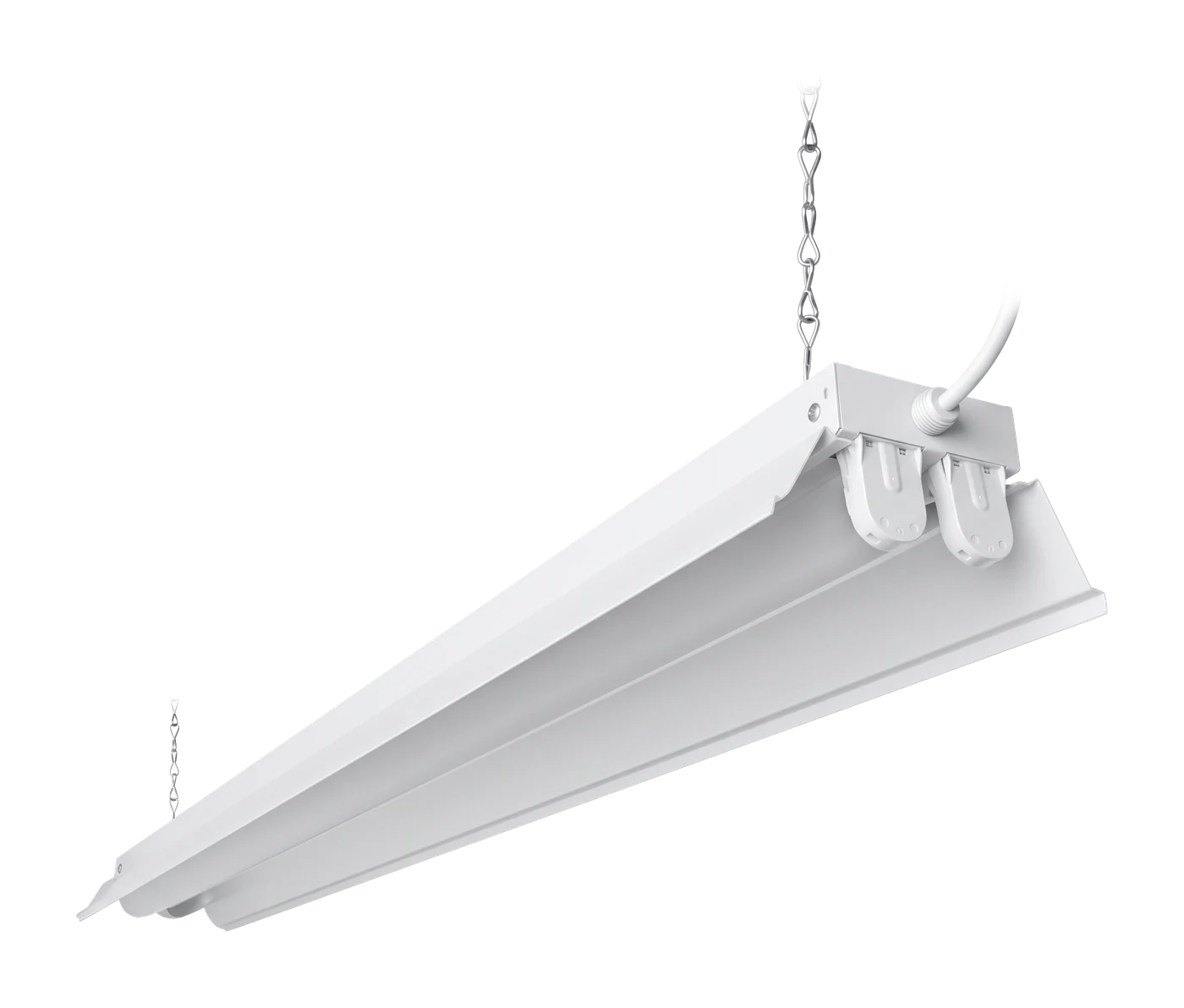
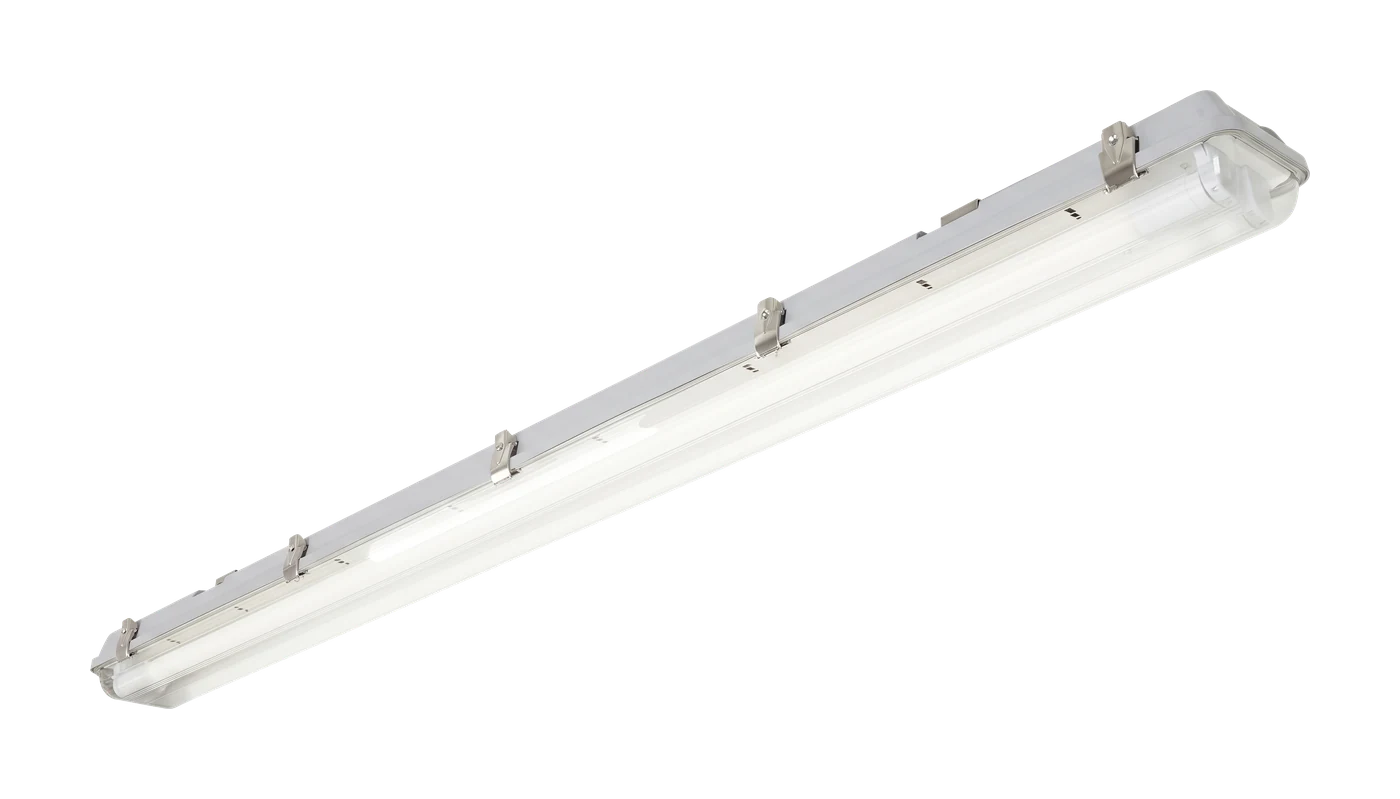
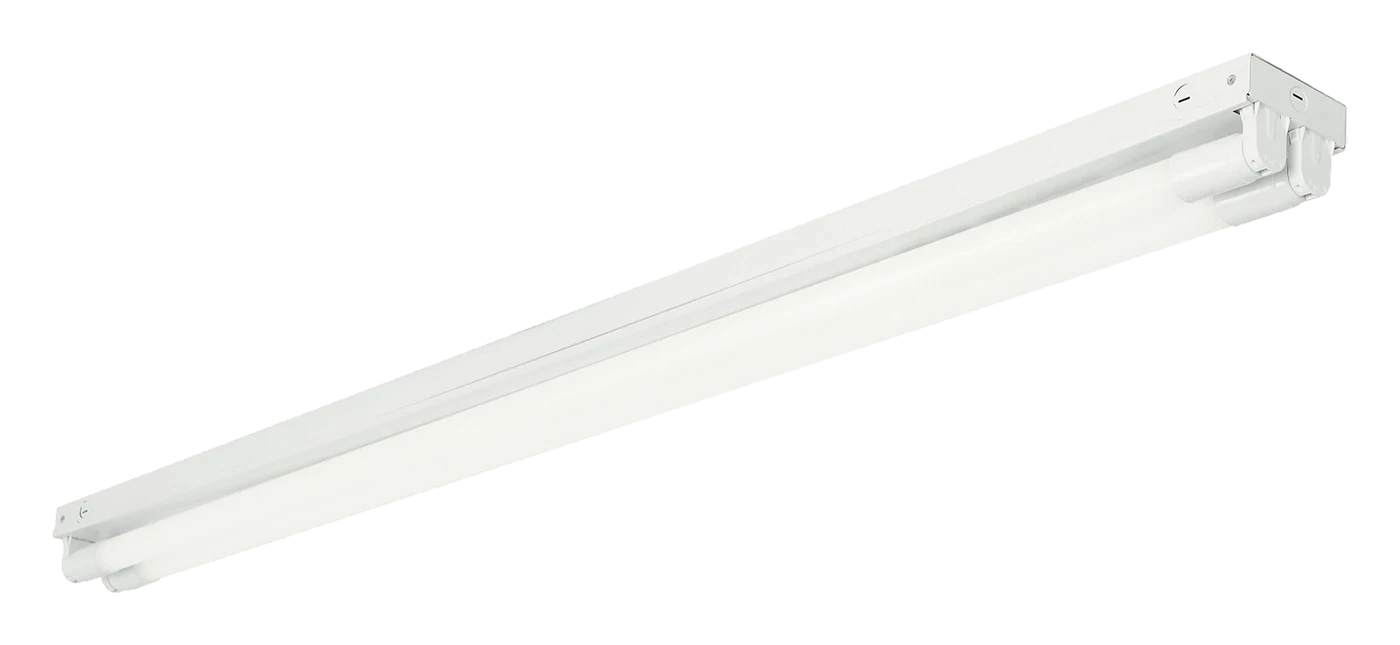
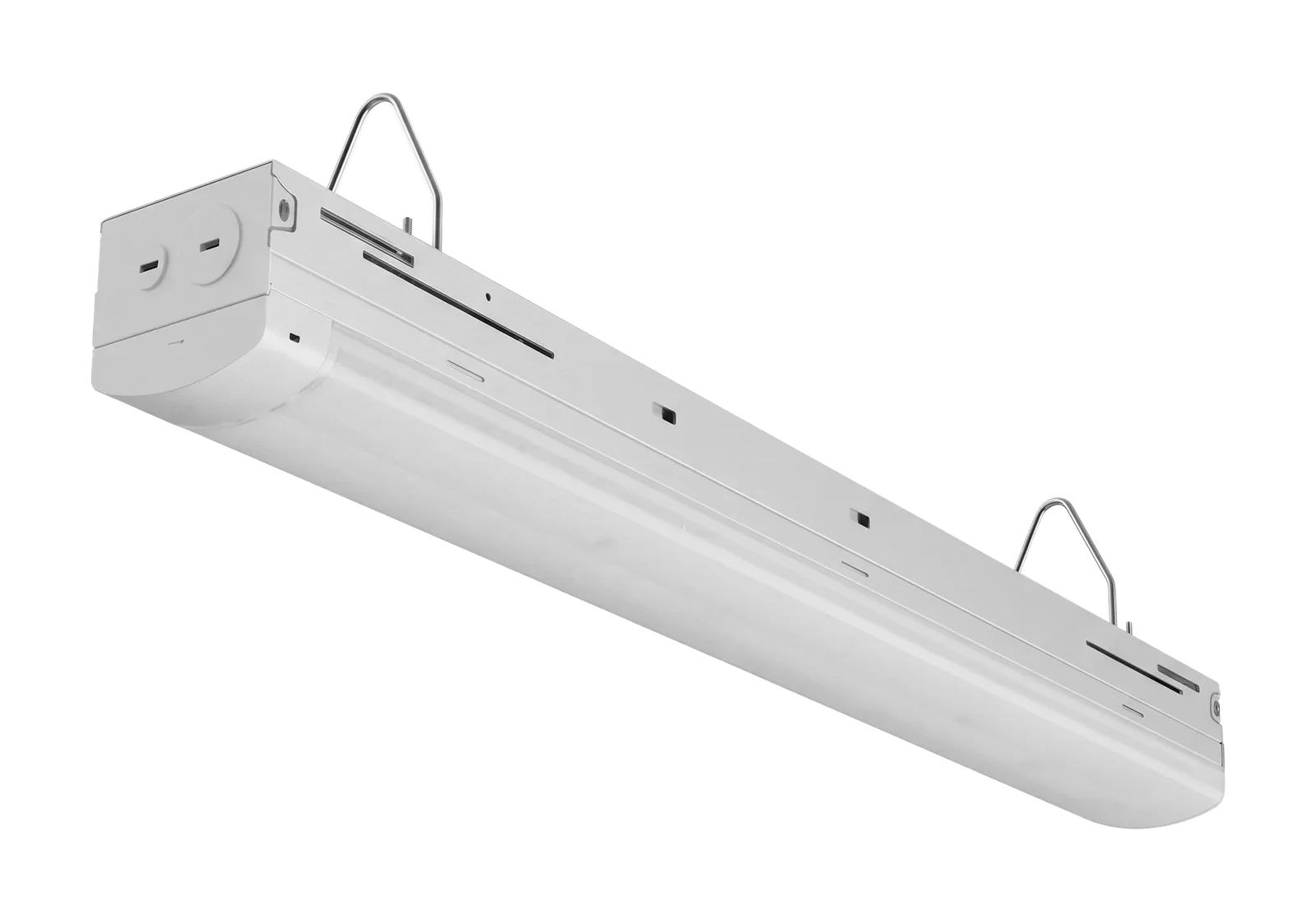
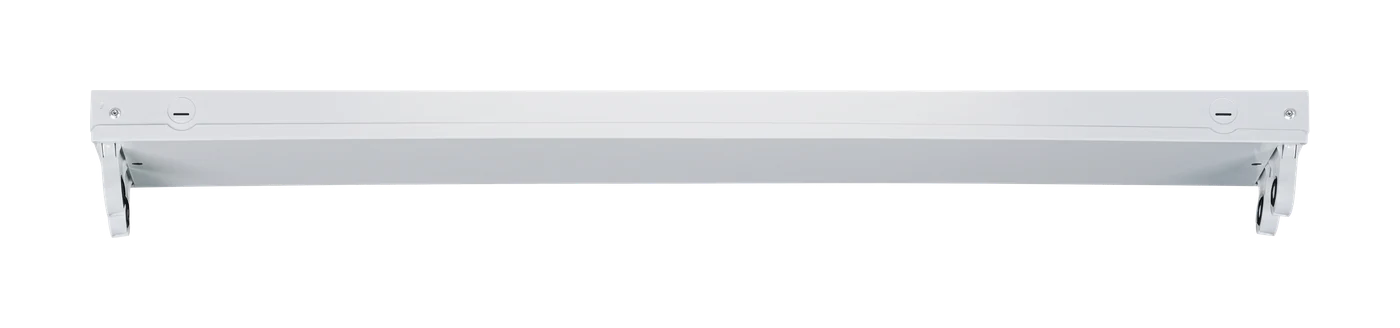
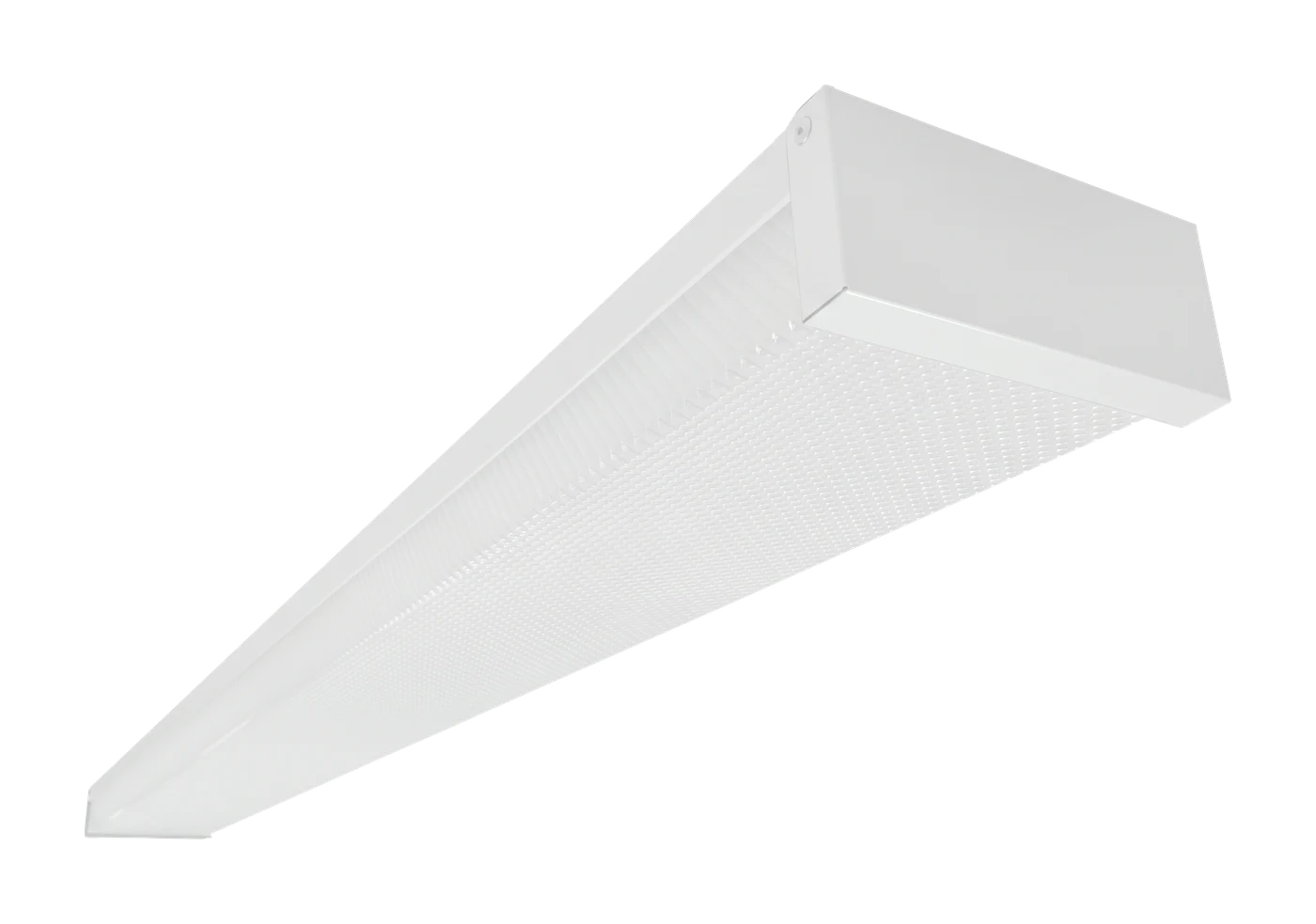
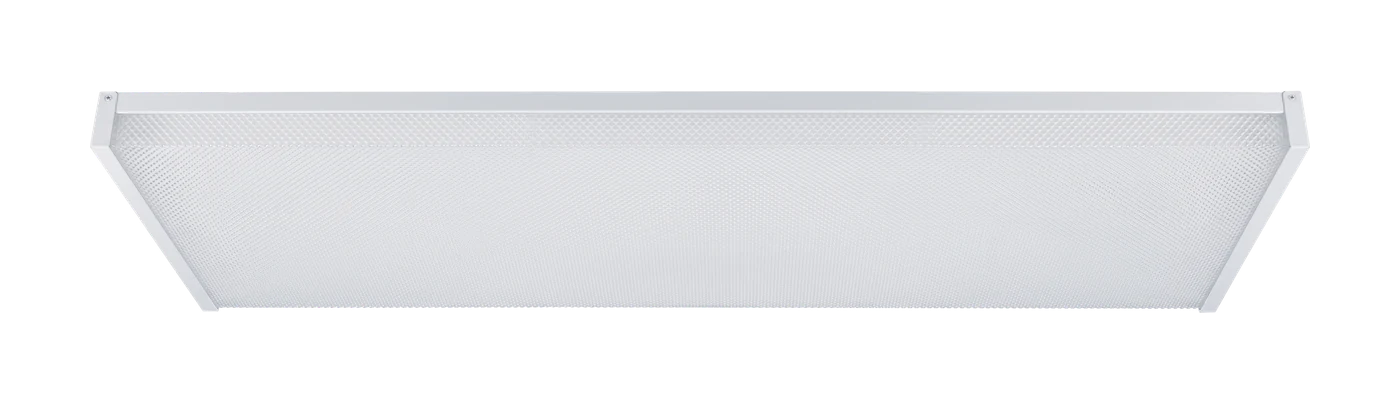
The Zone Z-B2003L is a 4 ft integrated shop light. Z-L2402-WBF is a 4 ft vapor-tight light with a sealed housing for damp spaces. ZF2207-ST and ZF2211-ST are ballast-free, two-lamp strip fixtures. ZF2210-WP and Z-F2212-WP are ballast-free wrap fixtures. These are different fixture choices, not interchangeable parts for an old light.
Use the linked model pages below for the published facts and where to buy. Match the light to your space before choosing by shape or length alone.
Further reading
- U.S. Department of Energy: fluorescent lamp ballasts
- U.S. Department of Energy: LED tube and fixture retrofit choices
Compare these Zone fixtures
4 ft vapor-tight light
A sealed 4 ft light for damp garages, basements, laundry and utility rooms.
4 ft 2-light strip light
Overhead daylight for a garage, basement or workshop ceiling.
4 ft integrated shop light
Overhead daylight for a garage, basement or workshop ceiling.
2 ft 2-light ballast-free strip light
Overhead daylight for a garage, basement or workshop ceiling.
4 ft 2-light ballast-free wrap light
Overhead daylight for a garage, basement or workshop ceiling.
4 ft 4-light ballast-free wrap light
Overhead daylight for a garage, basement or workshop ceiling.
More buyer details
Can I replace a ballast myself?
If you are unsure how to isolate power, check the match or follow the wiring instructions, use an electrician. Do not guess.
Common questions
Is a ballast the same as a bulb?
No. The bulb makes light; the ballast controls power for a lamp that needs one.
Do all LED lights need a ballast?
No. Integrated LED fixtures use drivers. Some replacement LED tubes still use a compatible fluorescent ballast.
Does flickering mean I need a new ballast?
Not always. The lamp, contacts or power supply may be the cause. Have the fault checked before buying parts.
Can I bypass any ballast?
No. Only convert a suitable fixture with lamps made for that wiring. Follow both labels and use an electrician when unsure.